
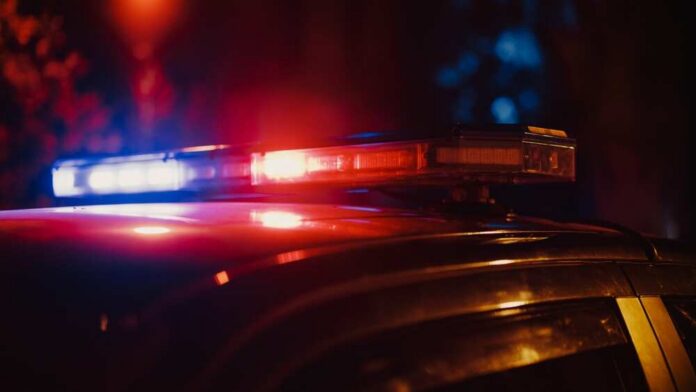
A 40-year-old Philadelphia police officer is dead, another is wounded, and prosecutors say one man fired at 11 officers in all.
Story Snapshot
- Prosecutors charged Eric Lewis, 35, in the killing of Officer Shane Seiber.
- Police say officers responded to a gun call in West Philadelphia around 1 a.m..
- Officials allege Lewis shot two officers and fired at nine more.
- Seiber served 10 years on the force and died after the encounter.
What Police Say Happened On North 52nd Street
Philadelphia officers headed to a home on the 100 block of North 52nd Street just after 1 a.m. for a report of a man with a gun. Police say they met an armed man, later identified as Eric Lewis. A struggle broke out. Both officers were shot multiple times during the fight. Officer Shane Seiber, 40, died from his wounds. The second officer survived but suffered serious injuries, according to early reports.
District Attorney Larry Krasner said Lewis opened fire not only on the two officers in the home, but also at nine more officers who responded. None of those nine was hit. Krasner announced counts that include homicide of a law-enforcement officer, murder, attempted homicide, aggravated assault, reckless endangerment, and weapons charges. Police and the District Attorney’s Office publicly named Seiber as the fallen officer and Lewis as the charged suspect.
The Charges And The Man Now At The Center
Prosecutors charged Lewis, 35, after identifying him as the armed man officers encountered at the scene. Reporters noted he worked for the city’s Water Department. Court records cited in coverage show prior convictions that include assault, theft, and a firearms offense, including a 2015 guilty plea tied to a 2013 case. Those records explain recent headlines but do not decide this case on their own. The present charges will rise or fall on the facts from the shooting.
Philadelphia Police Commissioner Kevin Bethel said Seiber served a decade on the force and was 40 years old. Officials described the attack as brazen and used the word “ambush” in public updates. The scale of the gunfire shocked the city and drew swift support for Seiber’s family from law enforcement groups. Prosecutors framed the case as an assault on public order and on every cop who puts on the badge.
What We Know About The Scene And Evidence
Police accounts describe a fast, violent struggle inside a West Philadelphia residence. Officers reported multiple shots fired and urgent calls for backup. The suspect allegedly fired at arriving officers outside as well. Coverage has not detailed ballistics or medical findings yet, which is normal at this stage. Those reports often follow lab work and court filings. For now, the charges rest on statements from police and prosecutors and on the initial investigation.
🇺🇸 Philadelphia Police Officer Shane Seiber, a 40-year-old 10-year veteran & father of two, was killed in an ambush shooting in West #Philadelphia. His 33-year-old partner, a father of five, was shot 12 times & is recovering.
Eric Lewis, an employee of the Philadelphia Water… pic.twitter.com/rxpMuDkCYR
— ɢʙᴇɴɢᴀ 🎖 (@gbenga_daily) October 11, 2026
Common sense asks a basic question: why were two officers hit if they were first on scene, and why did nine others avoid injury as shots continued? Training, cover, and numbers matter. First contact often carries the most risk. Backup can set a perimeter and force distance. That gap can save lives. The facts presented by officials match that pattern. The first moments turned deadly. The response that followed contained the threat and prevented more loss.
Why This Matters Beyond One Night
A police funeral compresses a city’s grief into one flag, one family, and one name. It also tests whether leaders back law and order with action. This case will move from public vows to courtroom proof. Body-worn camera footage, forensics, and sworn testimony will anchor that proof. When a suspect is accused of firing on 11 officers, justice demands speed and certainty. The system owes that to Seiber’s family, the wounded officer, and the city.
Sources:
cbsnews.com, nbcphiladelphia.com, inquirer.com, apnews.com, whyy.org, foxnews.com, phillyburbs.com, nytimes.com