

Two cargo ships were struck by drones in Bulgaria’s Black Sea economic zone, one sank within minutes, and 11 sailors vanished into rough seas.
Story Snapshot
- Bulgaria’s prime minister said drones hit two commercial ships about 80 miles offshore
- Alfa Watan sank fast; Able caught fire and its crew escaped in time
- Searchers later suspended efforts for missing sailors as conditions worsened
- Marine insurers expanded the Black Sea risk zone after recent strikes
Drones Strike Two Ships In Bulgaria’s Economic Zone
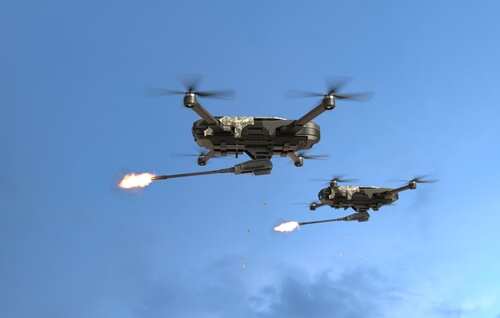
Bulgarian Prime Minister Rumen Radev reported that drones attacked two commercial vessels in Bulgaria’s exclusive economic zone, about 128 kilometers from the coast. He said one vessel, the Alfa Watan, took critical damage and sank. The second, the Able, caught fire and sent distress calls as crew mustered to abandon ship. Officials described a cluster of aerial and maritime drones converging on merchant lanes that, until recently, most captains still considered workable routes.
Rescuers reached the Able and evacuated its crew, who included Turkish and Indian sailors. The Alfa Watan’s crew never reappeared on radar or radio. Bulgarian maritime authorities launched a search-and-rescue operation that grew by the hour as debris slicks spread with the wind. After combing the area, they suspended the search amid grim odds and heavy seas, saying the ship sank within minutes with no sign of survivors. Authorities did not publicly assign responsibility.
Why This Hit Matters Far Beyond Bulgaria
This incident pushes the Black Sea deeper into a new phase: commercial-risk waters, not just a naval war zone. The European grain corridor depends on steady shipping to move wheat, corn, and sunflower oil. Attacks on merchant ships now reach routine lanes well outside port approaches. Maritime analysts warn that low-cost aerial drones and uncrewed surface vessels can range far, complicating threat maps once limited to coastal areas. This specific strike occurred in Bulgaria’s zone, a first of this kind there.
Insurance markets reacted as they do when risks jump without warning. Leading London marine insurers widened the Black Sea high-risk area as attacks surged on both Russian and Ukrainian-linked shipping. War risk premiums climbed, adding real costs per voyage and pressuring cargo owners and charterers. That squeeze pushes up delivered prices and strains routes already hit by port strikes and grain infrastructure losses over the past years of conflict. When risk repricing hits logistics, grocery bills follow.
What The Crews Faced In Those Final Minutes
Crews on bulkers and general cargo ships are trained to fight fires and patch hull breaches. They are not built to defeat swarms of fast, explosive drones. Standard drills buy minutes, not hours. The Alfa Watan reportedly lost critical structure fast and went under before a full muster, which is why no distress story has surfaced from its bridge or engine room. The Able bought time with firefighting, then abandoned ship in an orderly way and lived to tell investigators what they saw.
Eleven sailors were missing at sea on Tuesday from a ship sunk by a drone attack off the coast of Bulgaria, possibly the second deadly sinking of a cargo vessel in the area in a week, prompting Bulgaria to summon Russia's ambassador.
Two cargo ships were hit by drones overnight… pic.twitter.com/EdyssnK7y4
— CGTN Europe (@CGTNEurope) October 13, 2026
These attacks show the grim math at sea today. A cheap drone can turn off a ship worth tens of millions of dollars and end a dozen lives in under five minutes. That asymmetry invites more attempts unless merchant fleets adapt. Some crews now rig nets, water curtains, and spare tires as makeshift drone screens. Security advisers urge sharper watch rotations, thermal cameras, and faster blackout procedures to confuse guidance systems. None of that turns freighters into warships, but it beats denial.
How Prudent Policy Should Respond Now
Bulgaria’s clear public reporting sets a needed floor for transparency: say what happened, where, and when, and protect crews first. Regional partners should match that clarity and share threat data across borders and fleets in real time. Marine insurers and shippers should tie discounts to proven shipboard defenses and vetted routing plans. That approach blends common sense with accountability and lowers the chance that one cheap drone can shut a major grain lane for a week.
Sources:
nbcnews.com, shipmanagementinternational.com, mezha.net, mypanhandle.com