

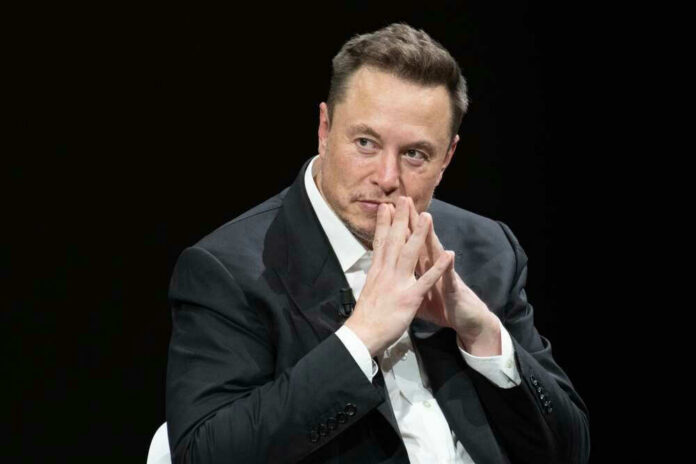
Elon Musk did not mince words: if Democrats probe him, he will “come for them.”
Story Snapshot
- Musk warned Democrats he will retaliate if they use Congress to target him.
- Democrats outlined multiple investigations citing conflicts tied to federal money.
- The fight centers on contracts, ethics rules, and Musk’s government-adjacent role.
- Oversight can be both real accountability and raw politics at the same time.
What Sparked Musk’s Retaliation Threat
Politico reported that Democrats were weighing probes into Musk’s businesses and public role if they gain congressional power. The report listed targets like his work with a federal cost-cutting team, government contracts for SpaceX and Starlink, and policy sway tied to his companies. Musk fired back on X, saying, “Live by the sword, die by the sword,” and warning he would “come for” the people behind the push, not just their “puppets.” Fox Business captured the exchange and the stakes.
🚨 BREAKING: Elon Musk declares OPEN WAR on Congressional Democrats and their puppet masters if they target him after the midterms
"Live by the sword, die by the sword. Those who pick fights with me should understand that I will find out who is really pulling the strings and… pic.twitter.com/q8nZfcKQo1
— Eric Daugherty (@EricLDaugh) October 21, 2026
Democrats argue the scrutiny is overdue, not political payback. House Judiciary Democrats cited about $3.3 billion to SpaceX and Starlink over the last year as one reason to seek an ethics review by the Department of Justice and the Office of Government Ethics. That figure came from public spending data and lands at the heart of the conflict claim. They say the overlap of contracts, influence, and access demands sunlight and guardrails.
How Democrats Are Building Their Case
House Oversight Democrats announced a slate of five fresh inquiries focused on possible conflicts across several agencies. Their release said Musk’s companies have received at least $38 billion in contracts, loans, subsidies, and tax credits from federal and state governments. Lawmakers flagged issues at the National Aeronautics and Space Administration, the Department of Defense, the General Services Administration, and the Department of Commerce, and asked for records and safeguards. The money trail is the backbone of their claim.
Separate letters pressed the Department of Transportation on its ethics controls tied to Musk. The requests cited a Federal Aviation Administration launch license dispute with SpaceX and five National Highway Traffic Safety Administration probes into Tesla’s self-driving efforts. Lawmakers said they want to know how agencies prevent special access or favoritism while relying on Starlink and other Musk-linked tools. The core question is whether rules keep business and policy cleanly apart.
What Musk’s Allies See—and Why It Resonates
Musk’s camp frames these moves as punishment for a tech leader who will not toe the party line. That view tracks with a broader conservative belief: when Washington picks winners, it also picks targets. Many on the right see a pattern of investigations used as political theater dressed up as ethics. That does not erase real oversight needs. It does suggest motives can be mixed, which is common in Congress. That dual truth should guide how voters read the clash.
Musk’s threat also lands because his platforms and products touch national life. Starlink connects rural schools and war zones. SpaceX lifts U.S. astronauts to orbit. Tesla anchors the electric car push. When a single figure spans defense, space, energy, and speech, fights over power grow fast. Some Democrats also raise the Ukraine question, asking how communications decisions intersect with a large government vendor. That is a fair policy query, but it also fuels a bigger political storm.
The Real Stakes: Oversight Without Overkill
Congress holds the power, and duty, to ask hard questions and demand records. That is bedrock civics, not a loophole. The catch is discipline. Investigations should pursue specific facts, not score television hits. Lawmakers who cite spending numbers and agency actions have a credible entry point. The $38 billion claim gives them that hook. The test now is method: narrow requests, clear timelines, and due process beat splashy threats and trial by leak.
Musk took a blowtorch to the optics war with his vow to retaliate. That line rallies fans but risks proving his critics’ point. The better answer, from a rule-of-law view, is sunlight and receipts. If claims are weak, expose them with data and compliance, not vengeance. If claims are strong, fix the conflicts or divest. America needs both strong innovators and strong ethics. We get neither by turning oversight into a cage match.
Sources:
foxbusiness.com, oversightdemocrats.house.gov, yahoo.com, biz.heraldcorp.com, theconversation.com