The Supreme Court kept new mail ballot limits on ice, and the Trump administration says it will obey.
Story Snapshot
- The Supreme Court left a lower-court block on new U.S. Postal Service mail-ballot rules in place.
- Attorney General Todd Blanche said the administration will comply with the order.
- The justices signaled the government is unlikely to win on appeal this cycle.
- Election officials will run mail voting under existing rules for the 2026 midterms.
What The Court Did And Why It Matters
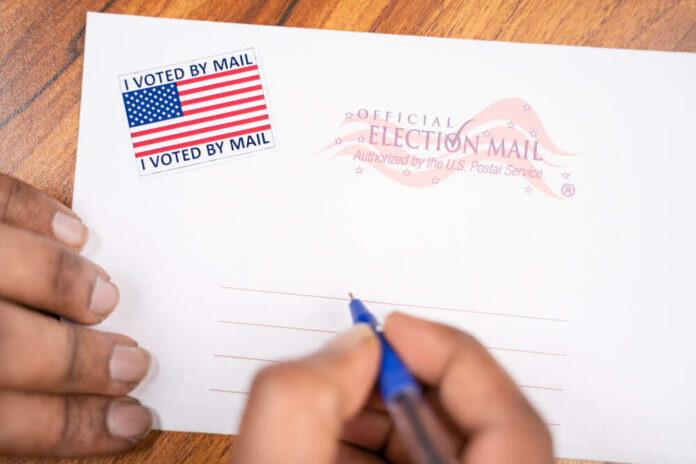
The Supreme Court declined to let the U.S. Postal Service enforce new rules that would change how it handles mail ballots before the 2026 midterms.
The order keeps a nationwide injunction in place. The Court’s brief rationale said the government is unlikely to succeed on the merits at this stage, which is a strong signal to keep the status quo near an election. That choice reduces last-minute rule changes that can confuse voters and strain local election offices.
US Attorney General Todd Blanche said that the Trump administration would comply with the Supreme Court's decision to not let the US Postal Service enforce a rule targeting mail-in ballots https://t.co/CnZUDvR3gv pic.twitter.com/yOxLiY4jP8
— Reuters (@Reuters) September 15, 2026
States and local officials now proceed under existing mail voting practices. That means no new federal postal requirements for ballot envelopes or address format this fall. Voters who plan to mail ballots should still follow their state’s instructions and deadlines.
County clerks and secretaries of state keep their current training and forms. Keeping rules steady in the final stretch helps prevent mail backlogs, mixed messages, and legal whiplash for poll workers.
The Administration’s Response And Next Steps
Attorney General Todd Blanche said the Trump administration will comply with the Supreme Court’s decision. He made the point plain and on the record: the Department of Justice will follow the order as it always does. Compliance does not end the legal fight.
Government lawyers can continue appeals in the lower courts and prepare for a fuller review after the election. But they cannot enforce the blocked postal rule during the current election period.
The administration has framed the postal changes as election integrity measures. The Court’s order does not rule on final legality. It only preserves current procedures for the midterms.
From a conservative view, clear rules and respect for judicial orders are both vital. The government can still pursue cases against actual fraud and tighten processes where laws allow, without changing mail-ballot handling weeks before voters cast ballots.
The Legal Pattern Behind Emergency Election Rulings
Emergency election cases often arrive close to voting. The Supreme Court tends to avoid late changes that could confuse voters and officials. Scholars call this the election timing caution.
The Court’s short orders on the emergency docket can steer real outcomes by freezing rules in place, even without lengthy opinions. The through-line is simple: when time is short, stability beats novelty, and election workers need steady guidance to run a fair vote.
Both major parties watch these signals because mail voting affects turnout and counting timelines. The Court’s move tells campaigns to adapt to existing mail rules, not to expect a federal postal shift before November. For citizens, the lesson is practical. Request your ballot early.
Follow your state’s directions closely. Mail on time or use drop boxes if allowed. When institutions hold the line on last-minute changes, voters keep more control of their own plans.
Sources:
cbsnews.com, npr.org, cnbc.com, reuters.com