After more than nine months at sea, a U.S. supercarrier pulled into Thailand so 5,000 Americans could finally breathe.
Story Snapshot
- The USS Abraham Lincoln docked at Laem Chabang, Thailand, on Sept. 2, 2026.
- The Navy called it the first full port stop after roughly 286 days at sea.
- Officials framed the visit as rest and recuperation, not military drills.
- Escort ships split among nearby ports to support the stop and logistics.
The Arrival: A Long-Awaited Port Call In Thailand
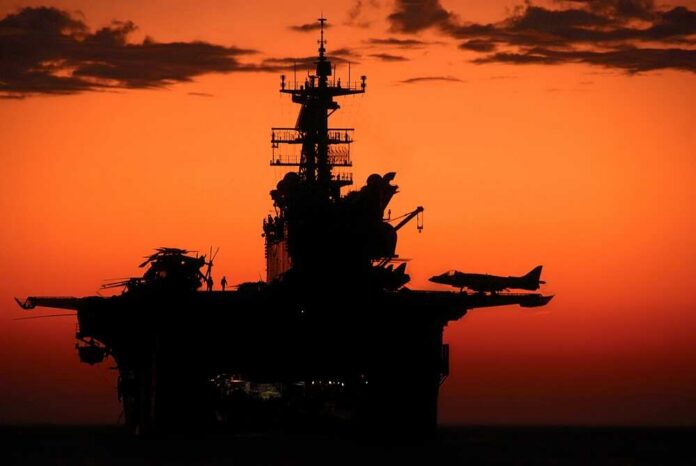
USS Abraham Lincoln moored at Laem Chabang in eastern Thailand on Sept. 2, 2026, after a deployment that stretched most of a year, including months tied to Middle East operations.
U.S. officials and the ship’s commanders described the visit as a chance for sailors and Marines to rest and reset after an extreme tempo. The stop marked the carrier’s first full port visit in that period, a milestone in any long cruise and a clear morale marker for the crew.
After nearly 10 months at sea, the USS Abraham Lincoln has arrived in Thailand for R&R, giving thousands of U.S. service members a long-awaited break. Click the link below to see all of the photos ⬇️
📸 ANTHONY WALLACE, AFP via Getty Images https://t.co/TFrrQ3DGrD pic.twitter.com/T2VJpfSKTR
— USA TODAY (@USATODAY) September 2, 2026
Thai authorities aligned their message with the Navy’s. They said the visit was a routine port call focused on recovery and shore leave, not exercises or joint operations.
That clarity matters in a region where rumors can spark diplomatic noise. Bangkok’s stance reduced speculation and kept the focus on hospitality, safety, and order during a short window ashore for thousands of visitors in a tight coastal corridor.
What “Rest And Recharge” Means After Months At Sea
Rear Adm. Robert E. Loughran and other leaders emphasized rest and recuperation as the point of the stop. Shore access offers simple but vital resets: sleep off the ship, fresh food, space to call home, and a day without steel decks and flight ops.
After extended sea days, those basics pay dividends in readiness. Commanders often plan port calls to hit the pressure relief valve before it sticks, and the Lincoln’s pause fit that pattern.
American officials also highlighted how the strike group spread across nearby ports to ease flow. The embassy said the carrier anchored at Laem Chabang while escorts used Sriracha and Map Ta Phut, a common approach to balance berth space, security, and logistics.
Distributing ships smooths fuel and supplies, reduces crowding, and keeps liberty orderly for crews who need it most after a long stretch underway.
The Deployment Context: Hard Miles In A Hot Theater
Reporting tied the Lincoln’s deployment to U.S. military operations against Iran, a mission set that demanded sustained alert status and tight schedules. Carriers carry the load in these moments. They bring airpower, command and control, and visible presence that allies see and adversaries respect.
Long deployments strain people, but they also signal commitment. The Thailand stop showed both sides of that ledger in one frame: steel in the water and humans who need a break.
Chonburi Governor Leads First Thai Group Aboard USS Abraham Lincoln at Laem Chabang
LAEM CHABANG, Chonburi — Chonburi Governor Naris Niramaiwong on Thursday led the first group of Thai officials aboard the USS Abraham Lincoln (CVN-72), the U.S. Navy’s Nimitz-class… pic.twitter.com/PHd640Zz8R
— The Pattaya News Thailand (@The_PattayaNews) September 3, 2026
Numbers in public reports vary, from more than 250 days to around 286 days at sea, but the bottom line is the same: the crew stayed out far longer than a normal port cycle. That kind of run will draw headlines about wellness and fatigue.
Media accounts raised concerns during the cruise, which is predictable when a carrier’s schedule stretches. The stop in Thailand did what good leadership should do: give the team air, food, sleep, and time to reset before the final leg home.
Why This Stop Matters For The United States And Thailand
Laem Chabang is not just a postcard pier. Thailand’s port can handle deep-draft ships, heavy logistics, and fast turnarounds. That capacity keeps the Indo-Pacific network humming, from fuel to fresh produce to spare parts.
For Thailand, hosting the Lincoln reinforced its role as a steady partner without stirring drama about drills. For the United States, it showed that even during hard deployments, allies can offer safe harbor and a smooth path back to full strength.
This port call reflects that balance. The United States projected power for months, then chose a friendly pier for rest, not provocation.
Thai officials said there would be no joint operations, which matched the Navy’s public frame and kept the visit practical and calm. That is common sense statecraft: take care of people, honor partners, and keep the mission on track without needless theater.
What Comes Next For The Lincoln And Her Crew
The window in Thailand was set for early September, with a short, defined stay before getting back underway. The strike group’s split-port approach allowed liberty and resupply to happen together, which speeds departures and keeps maintenance tight.
The Navy did not publish the exact route or return date at the time, a normal step to protect operations and sailors. After this stop, the carrier group would continue its transit and prepare for the turnover and maintenance that follow a taxing cruise.
People will remember the jet noise, the scale of the ship, and the sight of thousands in uniform stepping onto Thai piers. The crew will remember a clean bed, a hot shower ashore, and a quiet meal.
Both are symbols of the same fact: endurance wins missions, but recovery sustains the force. Laem Chabang gave the Lincoln a breather when it mattered, and that breather will pay off on the long wake home.
Sources:
cbsnews.com, abcnews.com, apnews.com, theguardian.com, stripes.com, newsweek.com