Federal inspectors flagged Italian guanciale for possible Listeria, and more than 1,500 pounds are now off shelves.
Story Snapshot
- About 1,513 pounds of imported ready-to-eat pork jowl were recalled after a positive test.
- Federal screening at the port of entry caught the issue during routine reinspection.
- The recall is classified at the highest risk level for meat and poultry products.
- Listeria contamination often drives recalls of ready-to-eat meats across multiple years.
What Triggered The Recall And Who Is Involved
Prime Line Distributors in Florida and Ferrarini USA in New Jersey recalled imported ready-to-eat guanciale after a federal test found Listeria monocytogenes.
The United States Department of Agriculture’s Food Safety and Inspection Service said inspectors detected the risk during routine import reinspection at the point of entry.
The agency reported about 1,513 pounds covered by the action and labeled the recall a Class I event, the most serious level for public health risk.
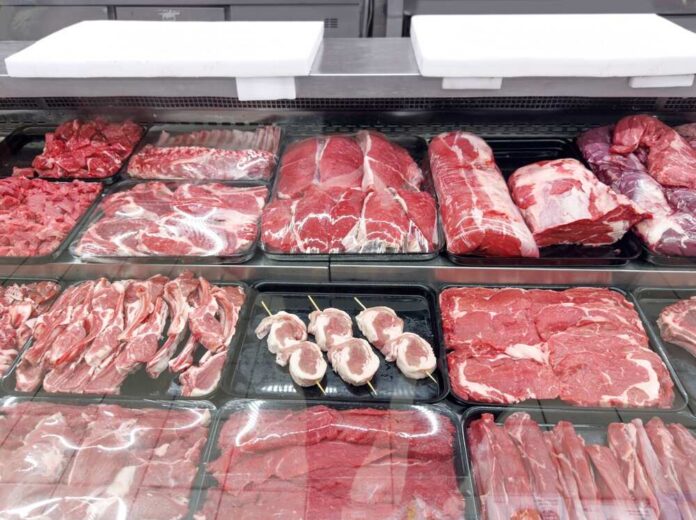
The recalled items are dry-cured pork jowl, also known as guanciale, a ready-to-eat product often sliced and used without further cooking. Partners abroad also shared the alert details to inform trade and consumers.
The Center for Food Safety in Hong Kong circulated the United States action, reflecting how recall notices echo across borders when products move internationally. No illnesses were reported at the time of the notice; the step was taken out of caution, which is standard in these cases.
Why Listeria In Ready-To-Eat Meat Demands Faster Action
Listeria monocytogenes is dangerous in foods that people do not cook again at home. Even a small amount can cause severe illness, especially for seniors, pregnant women, and people with weak immune systems.
Data from the Food Safety and Inspection Service show Listeria ranks among top recall causes for ready-to-eat meats, and when it appears, the pounds can add up fast. In 2021, only five Listeria recalls accounted for over 11 million pounds pulled from commerce.
Federal policy favors quick action when a pathogen shows up in a ready-to-eat item. The United States Department of Agriculture’s Food Safety and Inspection Service runs routine verification testing.
When samples test positive, the agency moves to identify affected lots and urges disposal or returns. That rapid posture keeps risk low and protects trust, even when a recall involves a smaller volume, like this 1,513-pound action.
Imported Foods Face Extra Scrutiny At The Border
Imported foods often get caught at the gate rather than at the factory. Inspectors screen shipments again as they enter the United States, and those tests can catch problems that earlier checks missed.
This recall fits that pattern: a port-of-entry reinspection flagged the concern before a cluster of illnesses emerged. The Food Safety and Inspection Service’s annual summaries show import violations and pathogen positives are regular drivers of recalls year after year.
The recall is for 1,500 pounds of imported Italian ready to eat dry cured pork jowl (called guanciale), it is not steaks or pork already mixed into other foods. Two US importers pulled products with the lot # 263311US and a date of may 16, 2027 best by date after routine USDA…
— Isabella Mar 🇨🇦🏴🇺🇦🏳️🌈 (@IsabellaofMar) September 8, 2026
That system aligns with common sense: test before trust, act fast when risk is clear, and keep the marketplace honest.
Companies that move quickly to pull product help contain the problem and get back to business. Consumers benefit from clear labels and firm guidance.
What Shoppers Should Do Now And How To Think About Risk
Check your pantry and fridge for imported guanciale that matches the recall details and discard or return it. Do not taste it to “see if it is bad.” Ready-to-eat meats do not always look or smell off when contaminated.
If you have symptoms like fever, muscle aches, or stomach upset after eating the product, contact a doctor and mention possible Listeria exposure. Most people will be fine, but high-risk groups should be extra cautious.
Do not let recall headlines scare you away from cured meats as a whole. Recalls show the safety net is working. Researchers who track recall data find that Listeria remains a leading cause by weight, which explains the fast reactions you see in the news.
Brands often recover sales within months when they communicate clearly and fix process gaps. The lesson is steady: verify sources, read notices, and handle ready-to-eat foods with care at home too.
Sources:
foxbusiness.com, newsweek.com, hoodline.com, fsis.usda.gov, pubmed.ncbi.nlm.nih.gov