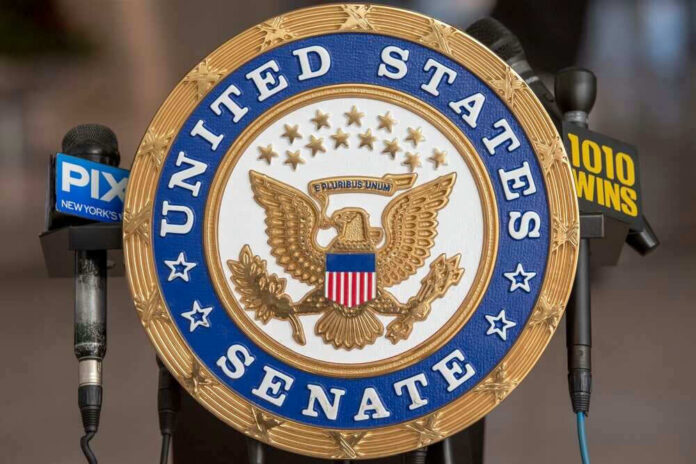
A 51-47 party-line Senate vote put Jay Clayton in charge of America’s intelligence machine, and the ripple effects start now.
Story Snapshot
- The Senate confirmed Clayton 51-47 along party lines
- President Trump nominated Clayton after weeks of public debate over the pick
- Clayton previously led the Manhattan federal prosecutor’s office
- The move ends the stopgap era linked to Bill Pulte’s interim role
What The Senate Actually Did And Why It Matters
The Senate confirmed Jay Clayton as director of national intelligence in a recorded 51-47 vote. Every Democrat voted no, and every Republican voted yes, which underlines how political the slot has become.
The director of national intelligence manages the flow of information from 18 agencies to the president. That job is not flashy. It is about clarity, speed, and judgment. A clean confirmation ends uncertainty inside those agencies and steadies decisions when crises hit.
President Trump announced Clayton as his nominee on June 11, ending rumors about a longer acting stint for Bill Pulte. Press coverage treated Clayton as the durable replacement who would take the wheel once confirmed.
The White House argued Clayton brought legal discipline and management skill from past posts, and it highlighted support from allies to frame him as steady and serious. The Senate Intelligence Committee held a confirmation hearing, then sent him to the floor for a final vote.
Who Clayton Is And The Skills He Brings
Clayton served as the United States attorney for the Southern District of New York, one of the nation’s most demanding prosecutor jobs. That office tries terrorists, cyber thieves, cartel leaders, and white-collar offenders. Running it means handling complex, fast-moving cases with strict timelines.
Clayton also led the Securities and Exchange Commission in prior service, which exposed him to market threats, sanctions policy, and foreign influence risks. Those assignments sharpen habits that matter at the top of intelligence: triage, cross-agency teamwork, and clean chain-of-custody for facts.
BREAKING: The Senate has confirmed Jay Clayton as the new Director of National Intelligence, succeeding Tulsi Gabbard, in a 51–47 party-line vote. pic.twitter.com/iASzNpKY6b
— Breaking911 (@Breaking911) July 28, 2026
Critics focused on political loyalty questions during the hearing. They pressed Clayton on the 2020 election and sought bright-line pledges. Major outlets kept that theme front and center in their stories about the nomination and vote. The committee advanced him anyway, and the full Senate made the call.
The bottom line is the same standard for any director: deliver unvarnished assessments to the president, protect sources and methods, and keep politics out of the analytic product. Results will speak louder than podium answers.
What Changes Now For The Intelligence Community
The confirmation stops leadership drift. Acting setups can slow decisions, chill hiring, and invite second-guessing. A Senate-confirmed director can drive priorities, set analytic tradecraft rules, and push cyber defenses faster.
Clayton inherits overdue tasks: close gaps with allies, track foreign election meddling, and harden supply chains that touch defense and energy. A clear chief also helps Congress with accountability. Committees know who to press, and agencies know who sets the clock on deadlines.
The Senate has confirmed Jay Clayton as director of national intelligence in a 51-47 vote, filling a key national security post.https://t.co/gZtJizYRWS
— Yoopya (@yoopya) July 29, 2026
Expect early moves on process before policy. Watch for a 90-day plan that sets metrics for speed to warn, quality control, and data sharing with combatant commands. Expect fresh guidance on how analysts flag dissenting views, so leaders see sharp edges, not blur. A Silicon Valley outreach push would also track with Clayton’s market background.
The Politics Around A Straightforward Vote
The 51-47 tally was tight but simple: a president picks, the Senate confirms, and the office gets a leader. Media narratives turned to worries about politicization, which happens every cycle with high-profile security jobs. The better test will be Clayton’s early calls.
If he protects career analysts and punishes leaks, he will build trust. If he delivers clear, timely warnings to both parties in Congress, criticisms will fade. The job rewards discipline and punishes spin. The Senate gave him the shot. Now the mission begins.
Sources:
en.wikipedia.org, nytimes.com, cnn.com, nbcnews.com, youtube.com