

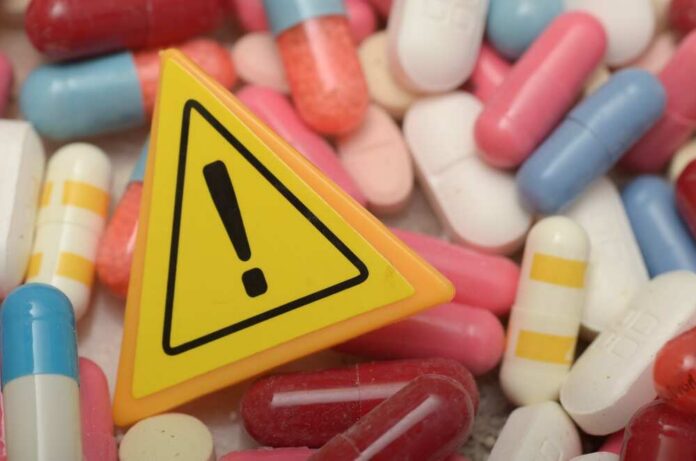
Federal court documents say both Ole Miss students had the same three kratom-related compounds in their blood, and that detail now anchors a fast-moving probe into what they took and who sold it.
Story Snapshot
- Two students, Aidan Hamilton and Robert Strang, shared the same three compounds in toxicology results, per federal filings.
- Investigators tied the compounds to Smax Mango Breeze pills found near both students, according to court records.
- Prosecutors charged a store clerk and his son with selling an illegal kratom product amid the probe.
- Health data show most kratom-related deaths involve other substances, complicating cause-of-death calls.
What Investigators Say Was Found And Where It Points
Federal filings state toxicology reports detected mitragynine, MGM-15, and MGPI in both Aidan Hamilton and Robert Strang. Reporters who reviewed the filings named those compounds and tied them to pills labeled Smax Mango Breeze. Investigators said they found the same brand and packaging in both students’ rooms and at a local store, down to a price tag detail that matched products seen near one of the students. That alignment gives the case a clear trail to follow.
Prosecutors announced charges against a store clerk and his son for selling an illegal kratom product as part of the wider investigation. The federal complaint centers on what was sold, how it was labeled, and whether it crossed legal lines. The filing’s emphasis on the same three compounds in two separate deaths reflects a common-exposure theory. The government often builds such cases by linking lab results, packaging, and point-of-sale records into one story a jury can track.
What The Compounds Mean And Why They Raise Alarms
Mitragynine is the main alkaloid in kratom. MGM-15 and MGPI are described in filings and reports as related compounds tied to Smax Mango Breeze pills. Health agencies warn that kratom products can vary widely in strength and purity. High-potency or adulterated items can act more like opioids than tea leaves. The Food and Drug Administration says deaths linked to kratom are rare but often involve multiple drugs, which muddies the role of kratom in the final outcome.
Public health data back that caution. A Centers for Disease Control and Prevention review of serious kratom-associated outcomes found most deaths involved more than one substance. Medical examiners sometimes list kratom as a cause, but they do so by weighing the whole case, not a single lab value. That is why investigators here focus on product identity, chain of sale, and content. The law targets what was sold and whether it was lawful, while coroners decide cause of death.
Cause, Contribution, And The Legal Stakes Ahead
The presence of the same three compounds in both students supports a common-exposure link. Presence alone does not prove those compounds caused either death. Prosecutors do not need to prove cause of death to charge illegal sale. They need to prove the product was unlawful to sell as sold. If autopsy findings later name these compounds as a cause or a contributor, that would raise the stakes. Until then, the clean link between product, packaging, and sales sits at the center.
🚨 OLE MISS: TWO STUDENTS FOUND DEAD HAD THE SAME THREE KRATOM-RELATED SUBSTANCES IN THEIR BLOOD, TOXICOLOGY REPORTS REVEAL.
New federal court documents reveal that two University of Mississippi students found dead on September 21 had three identical kratom-related compounds in…
— MDBayNews (@MDBayNews) October 13, 2026
Campus parents want plain talk and straight answers. They deserve both. Stores must label products truthfully and keep illegal items off shelves. That is basic consumer protection and common sense. Personal choice also carries weight. Adults should know what they are taking, especially when pills look polished but act like lab-created drugs. When a product blurs the line between supplement and synthetic opioid effect, that is not wellness; that is risk dressed up as “natural.”
Sources:
foxnews.com, actionnews5.com, yahoo.com, cdc.gov