

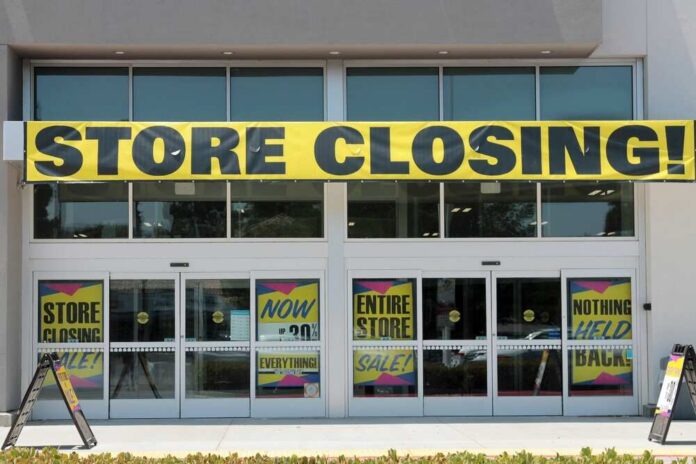
An 88-year-old retail giant is closing one out of every three of its pet stores after deciding some locations are actually losing cash every single day instead of making it.
Story Snapshot
- Tractor Supply is shutting about 75 Petsense stores that are losing money at the store level
- The closures hit more than a third of the Petsense chain, leaving roughly 125 locations nationwide
- The company is slowing new store openings and shifting money toward higher-return pet services and e-commerce
- The move reflects a hard-nosed push for profit over footprint, especially in small-town America
Major pet chain cuts a third of its stores to stop the cash bleed
Tractor Supply, the country’s largest rural lifestyle retailer, just made a blunt choice: close the pet stores that cannot pay their own bills. The company announced plans to shut about 75 underperforming Petsense by Tractor Supply locations across 23 states, out of a total of 209 shops as of late June.
That means more than one-third of the chain goes dark, leaving roughly 125 Petsense stores in place once the cuts are finished.
On the second-quarter 2026 earnings call, Chief Executive Officer Hal Lawton did not sugarcoat why these stores are going away. He said the closing locations have “negative four-wall cash flow,” a plain way of admitting that their sales no longer cover basic store costs like rent, payroll, and inventory.
When a store loses money even before corporate overhead, business logic says you stop pouring good cash after bad.
Closures tied directly to weaker results and a portfolio reset
The timing of the Petsense shutdowns lines up with a tougher quarter for Tractor Supply. Net sales rose to about $4.54 billion, but comparable store sales fell 1.5 percent and net income dropped double digits versus the year before.
Management responded by cutting its full-year outlook and then saying these Petsense closures are part of a broader reset of where and how the company grows. That is classic portfolio pruning rather than a total retreat from pet retail.
The financial hit is front-loaded. Tractor Supply says it will absorb about $71.7 million in impairment and restructuring charges tied to Petsense, including a $5.9 million inventory write-down for those closing stores.
That sort of charge looks ugly in the near term, but it can clean up the balance sheet and clear the decks for stronger business lines.
Slower expansion and a pivot toward higher-return pet services
Tractor Supply also dialed back its expansion speed. Earlier plans called for roughly 100 new Tractor Supply stores in 2026, but that pace is now trimmed to about 85 to 90 openings.
At the same time, reports show the company pushing harder into veterinary services, pet wellness programs, and digital delivery, including partnerships that bring pet care into a higher-margin “ecosystem” instead of relying on low-margin in-store sales alone. That is a shift from square footage to service revenue.
Lawton’s message to investors was blunt: closing money-losing Petsense locations will “improve returns, simplify the business, and allow us to direct resources towards higher growth, higher return opportunities”. That framing fits a disciplined capital allocation mindset often praised by investors.
You do not keep weak stores alive to make a map look full; you move dollars toward parts of the company that can actually grow profits, like veterinary care and e-commerce, where demand is strong and pricing power is better.
What it means for small towns, pet owners, and the wider retail landscape
While Tractor Supply stresses this is a “targeted reduction, not an exit from pet retail,” the impact will feel anything but small in certain communities.
Local coverage from Arkansas, for example, lists six Petsense closures in that state alone, leaving just two stores open. In many rural areas, Petsense has served as one of the few places for affordable grooming, supplies, and adoption events. Those services do not always shift neatly to online delivery or distant veterinary clinics.
Tractor Supply to Close 75 Underperforming Petsense Storeshttps://t.co/xPdbO3fBsQ
The company announced the plan with its second-quarter 2026 results on July 23, 2026. Petsense had 209 stores at the end of the quarter, so the closures could remove slightly more than one-third of…— QUASA (@quasagroup) July 26, 2026
Critics who see every closure headline as a sign of national economic doom may overreach here. This case looks more like a company correcting overexpansion in a niche banner while its main chain stays profitable and growing. Still, there is a warning inside the story.
When a retailer as seasoned as Tractor Supply finds that a full third of a pet chain cannot cover local costs, it hints that the boom in specialty pet stores may have stretched past the level that everyday shoppers in small-town America are willing to support. For investors and consumers, the lesson is simple: footprint is easy to build; profitable stores are not.
Sources:
foxbusiness.com, thestreet.com, petfoodindustry.com, fastcompany.com, inc.com, the-sun.com, finance.yahoo.com, youtube.com, facebook.com, dailynewsfront.com, costar.com