

Seventeen years after Nidal Hasan opened fire on fellow soldiers at Fort Hood, the Army has set a date, a place, and a method for his execution.
Story Snapshot
- Hasan will be executed by firing squad at Fort Hood on December 3, 2026, at 1 p.m. Central time.
- President Trump approved the death sentence on October 2, 2026, and Acting Army Secretary Adam Telle set the date.
- The Supreme Court denied Hasan’s final appeal in March 2025, clearing the way for the sentence to move forward.
- It would be the first execution of a U.S. service member since 1961 and the first military firing squad since World War Two.
- Three other condemned men remain on military death row at Fort Leavenworth, with no execution dates set.
The Army Sets A Firm Date For Justice Long Delayed
The Army announced that Acting Secretary Adam Telle directed the execution to proceed by firing squad, with Hasan put to death at Fort Hood, Texas, on December 3, 2026. Telle confirmed the order publicly, stating plainly that the execution “will take place at Fort Hood, Texas, on Thursday, December 3rd, 2026, at 1 p.m. CT”. The Army’s statement also noted that the appellate process had upheld both the conviction and the sentence, closing out years of legal review.
The Pentagon has announced it will execute a former US Army major by firing squad, the first military execution in more than 60 years.
Nidal Hasan fatally shot 13 unarmed US soldiers at Fort Hood in 2009, injuring another 32. pic.twitter.com/8g1xaCZ5Dd— 🇺🇸👊Richard Citizen Journalist🇺🇸👊 (@RCJonX_) November 20, 2026
Hasan, a former Army major and psychiatrist, killed 13 people and wounded more than 30 others during a 2009 rampage at a Fort Hood processing center, where soldiers were preparing for deployment. He shouted “Allahu Akbar” before opening fire, according to reporting on the attack. A military jury convicted him and sentenced him to death, a sentence that has now survived more than a decade of appeals, including a final rejection by the Supreme Court in March 2025.
Presidential Sign-Off Clears The Final Legal Hurdle
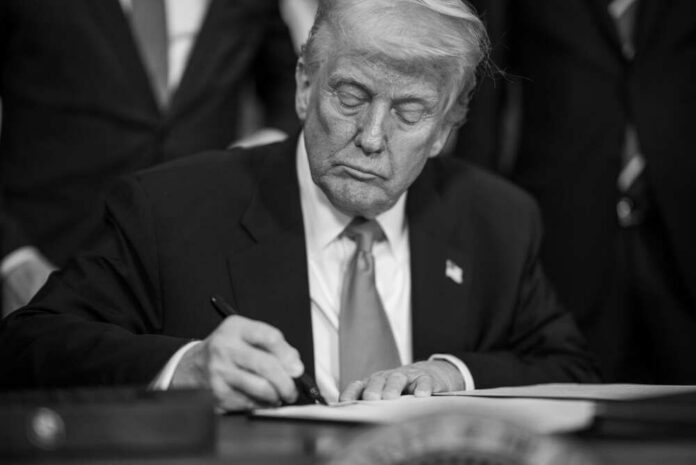
President Trump personally approved the death sentence on October 2, 2026, giving the final green light required under military law before an execution can move forward. That approval, paired with the Supreme Court’s refusal to hear further appeal, effectively ended the formal legal process that had kept Hasan’s case frozen for years. Defense Secretary Pete Hegseth has publicly framed the firing squad as a fitting consequence for the attack.
The choice of firing squad, rather than lethal injection, marks a sharp break from recent precedent. Reports describing the plan note it would be the first time the U.S. military has used this method since World War Two, and the first military execution of any kind since 1961, when Private John Bennett was hanged at Fort Leavenworth for rape and attempted murder. That 65-year gap underscores just how rarely the military death penalty actually gets carried out, even when sentences are handed down.
A Death Row System Built For Delay, Not Action
Hasan is one of four men currently sitting on the military’s death row, all housed at Fort Leavenworth, Kansas. The other three, convicted of murder, rape, and an attack on fellow troops early in the Iraq War, have been there for decades with no execution dates in sight. The Death Penalty Information Center describes the military death row population as small and notes there have been no executions carried out in the modern era, despite sentences being finalized years ago.
That pattern reflects a system where approval, scheduling, and actual execution rarely line up quickly. Presidents Eisenhower and Kennedy approved the military’s last nine executions decades apart, with Kennedy signing off on the final one in 1961. Hasan’s case breaks that long silence, but it does not automatically resolve the other pending cases, which remain stuck in the same slow-moving appellate machinery that held his for years.
Why This Case Finally Moved While Others Stalled
Hasan’s case advanced because every required legal checkpoint was cleared in sequence: conviction, military appellate review, Supreme Court denial, and presidential approval. The other three men on military death row have not reached that same endpoint, whether due to ongoing appeals, unresolved legal questions, or simply the slower pace of their individual cases working through the system. Their situations remain open, with no comparable announcement from the Army setting dates or confirming final approval.
For families of the Fort Hood victims, the scheduled execution closes a chapter that has stretched across three presidential administrations. For the broader military justice system, it raises a pointed question: if one of the hardest, most heavily litigated capital cases can finally reach a firing squad, what has kept the other three locked in limbo for so long, and will this case become the template that moves them forward too.
Sources:
abcnews.com, army.mil, mercurynews.com, cbsaustin.com, cbsnews.com, ap.org, en.wikipedia.org, apnews.com, wearethemighty.com