

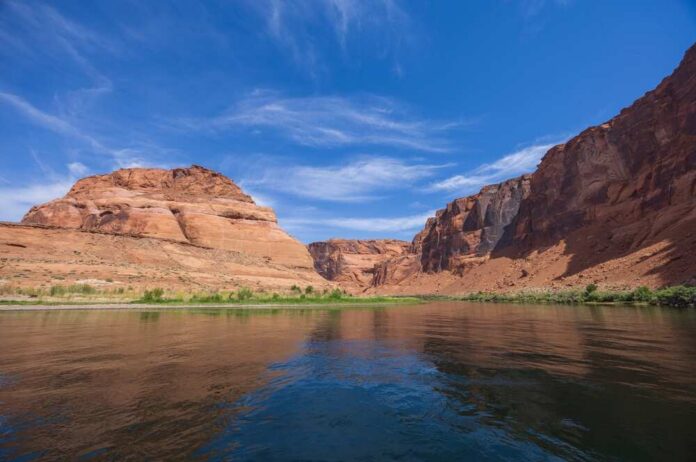
A wall of water tore through one of America’s most iconic hiking trails, killing one man and leaving about 15 people unaccounted for deep inside the Grand Canyon.
Story Snapshot
- Flash flooding struck Bright Angel Canyon and Phantom Ranch on August 29 around 2:30 p.m., prompting emergency helicopter evacuations.
- The National Park Service confirmed 62 people were evacuated by the morning of August 30, with no injuries reported among survivors.
- One person, a 46-year-old man, was found dead near Crystal Rapids after being swept downstream.
- About 15 people remain missing or unaccounted for as crews continue search efforts amid renewed storm threats.
Water Rose Fast And Left No Warning
The flood hit without much notice on a Saturday afternoon, turning a quiet stretch of Bright Angel Canyon into a churning hazard zone.
The National Park Service said the flash-flood event began at approximately 2:30 p.m. and quickly closed Phantom Ranch, Bright Angel Campground, and the entire North Kaibab Trail. Footbridges near the Colorado River were damaged, and debris including boulders and metal structures washed downstream.
BREAKING: At least 20 people may be missing for after significant flash flooding at Grand Canyon National Park in Arizona; more than 60 people have already been evacuated, park officials say. pic.twitter.com/iXFzXsLROW
— Scope Report (@ScopeReport_) August 30, 2026
Rangers and rescue teams moved fast once the scale of the disaster became clear. By Sunday morning, park officials reported that 62 people had already been pulled out of Bright Angel Canyon and the lower North Kaibab Trail by helicopter, with additional evacuations planned throughout the day.
The National Weather Service said the air evacuation covered roughly 50 individuals from the Phantom Ranch area alone.
Death Toll And Missing Count Shift As Search Continues
Early estimates put the number of missing hikers above 20, but that figure narrowed as officials cross-checked evacuation records, campground logs, and witness tips.
The Associated Press reported that one person died and about 15 people remained missing or unaccounted for as search efforts pressed on. The New York Times identified the deceased as a 46-year-old man whose body was recovered near Crystal Rapids.
That kind of shifting number is normal in the early hours of a wilderness disaster. Search teams do not have a master list of who was hiking where at any given moment, so the count adjusts as more survivors check in or get accounted for through family contacts and permit records.
The drop from “more than 20” to “about 15” reflects that ongoing reconciliation, not confusion about whether the flood itself happened.
Park Service Asks Public For Help Identifying The Missing
Grand Canyon officials took the unusual step of asking the public directly for information. The park requested details on anyone who may have been hiking or camping in Bright Angel Canyon, Phantom Ranch, or along the North Kaibab Trail when the flood struck.
That kind of appeal signals just how remote and unmonitored parts of the canyon floor really are, even with permits required for backcountry camping.
Helicopter crews and ground teams from Arizona authorities joined the National Park Service in searching the flooded corridor.
The Colorado River itself was closed to river traffic near the flood zone, and both Black Bridge and Silver Bridge, key crossing points for hikers moving between trail systems, were shut down until further notice.
More Storms Threaten To Complicate Already Difficult Search
Weather officials issued a flash flood warning for the Bright Angel Creek basin below the Dragon Bravo fire scar, an area left vulnerable to sudden runoff because wildfire had stripped away vegetation that normally slows water flow.
Burned terrain sheds rain fast, turning even modest storms into dangerous flash floods, which is exactly the kind of risk crews now face while searching for the missing.
That threat means rescue teams are racing against the same forces that caused this tragedy in the first place. Monsoon season in Arizona regularly produces intense, short-lived storms over the canyon’s steep terrain, and this year’s fire-scarred ground has made the danger worse. Anyone still unaccounted for in the backcountry faces renewed risk every time clouds build over the rim.
A Recurring Danger In One Of America’s Busiest Parks
Grand Canyon National Park has dealt with flash flood emergencies before, including a 2024 incident at Havasu Creek that left a 33-year-old woman missing after being swept away.
These recurring events underscore a basic truth about desert canyons: dry riverbeds can turn lethal in minutes when a storm dumps rain miles away and sends it rushing downstream with no warning to hikers below.
Families and park visitors are left waiting on updates while search crews balance urgency with their own safety. The park service has not set a timeline for when the search will end, and officials continue coordinating with Arizona emergency management as conditions allow further helicopter and ground operations.
More than a dozen people are feared missing after powerful flash floods swept through the Grand Canyon, the National Park Service said Sunday.https://t.co/wpQL5QC9Pd pic.twitter.com/5fSrEsFZ6U
— Earl Jackson (@earljackson1776) August 31, 2026
The Grand Canyon remains one of the most visited natural landmarks in the country, drawing hikers who often underestimate how fast conditions can change at the bottom of a mile-deep gorge. This flood is a stark reminder that the same terrain drawing millions of visitors each year can turn deadly with almost no notice.
Sources:
youtube.com, kutv.com, cnn.com, scmp.com, nps.gov, foxnews.com, apnews.com, azcentral.com