

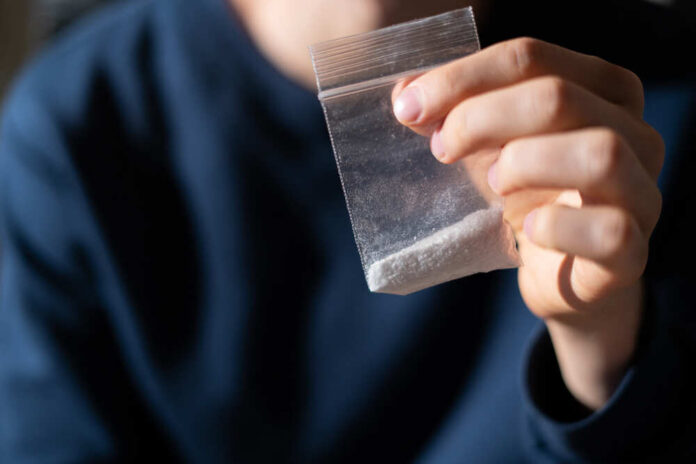
Prosecutors say a fraternity-fueled cocaine pipeline ran through Penn State’s social scene, and 14 people now face charges for it.
Story Snapshot
- State prosecutors charged 14 people tied to a cocaine ring linked to two fraternities.
- Investigators allege pledges helped cut and package drugs as part of initiation.
- Controlled buys and supplier trips anchored the case, per officials and local reports.
- Penn State’s Greek life faces renewed scrutiny over culture and criminal risk.
Officials Detail An Organized, Fraternity-Linked Operation
Pennsylvania Attorney General Dave Sunday announced charges against 14 people after a grand jury probe into a cocaine ring tied to Penn State fraternities.
The office said the operation centered on two houses where members brought in large amounts of cocaine, cut it, and packaged it for sale, mainly to students.
Local reporting named Delta Upsilon and Sigma Chi as the hubs prosecutors described in public statements, and outlined how the ring functioned across supply, prep, and distribution.
13 Penn State frat bros busted in cocaine trafficking ring-including LI student at 'top of the food chain' https://t.co/NHYGRE1SHw pic.twitter.com/beiQCMOClg
— New York Post (@nypost) August 18, 2026
State College Police worked with the Attorney General’s team and the grand jury. Officials said investigators used confidential buys and gathered witness accounts.
They alleged repeat supply runs from source cities and steady resale on and near campus. A local outlet summarized the case as a structured network with defined roles, steady cash flow, and routine handling inside fraternity spaces, which raised the stakes beyond simple possession.
Allegations Include Pledge Participation In Drug Packaging
Prosecutors alleged that pledges at one fraternity were told to cut and bag cocaine as part of initiation. That claim, if proven in court, links criminal activity to a hazing-style system that leverages pressure on new members.
The Attorney General’s release framed the case as more than a handful of private sales. It read as an organized enterprise that used social pressure, house access, and insider trust to speed distribution and hide in plain sight.
Local coverage aligned with the state’s account. It reported that members ferried cocaine from Philadelphia and New York, then portioned it for sale inside the houses.
The story tied alleged cutting and packaging to fraternity culture, where hierarchies can push pledges to do risky tasks for status and acceptance. That overlap between criminal enterprise and campus culture explains why the charges landed with such force before a new semester.
Why This Case Fits A Wider Campus Drug Pattern
Federal and state cases in recent years show a clear pattern. When authorities find steady supply trips, controlled buys, and house-based packaging, they treat it as organized trafficking, not a one-off habit.
A North Carolina probe charged 21 people and described fraternities as sale sites, with large quantities and set routines that mirror what Pennsylvania officials now describe in State College. The lesson is simple: repeat conduct plus structure equals enterprise in the eyes of the law.
Thirteen former or current Penn State University students were criminally charged Monday on allegations they participated in a cocaine-trafficking ring that involved two fraternities, authorities said.
Read more: https://t.co/gX7nPkiDMs
— ABC News (@ABC) August 18, 2026
That lens also explains the mix of charges across several people. Investigators often map roles: supplier, transporter, cutter, seller, lookout. A fraternity house can compress those roles under one roof, with built-in privacy and a stream of buyers.
Prosecutors will emphasize that structure to show intent, planning, and scope. Defense teams may contest roles and knowledge, but the state’s narrative banks on patterns that juries recognize from other campus rings.
Common Sense On Accountability And Culture
Public safety demands clear lines. If the facts proven in court match the allegations, the case shows how privilege and access can mask crime. That calls for firm consequences for the individuals responsible, not blanket blame for every student in Greek life.
Leaders should shut down any house that doubles as a drug den and back police who build solid cases with buys, warrants, and paper trails. Parents and taxpayers expect campuses to be places of learning, not trafficking hubs.
Universities should reinforce a basic standard: no one is above the law, and initiation is not a shield for abuse. Ban hazing practices that coerce illegal acts. S
upport police partnerships that target real networks, not casual users. Transparency from college leaders, backed by swift discipline, keeps honest students safe and sends a message to would-be dealers that campus walls will not hide crime. When culture and crime overlap, values must decide the path forward.
Sources:
pennlive.com, attorneygeneral.gov, wjactv.com