
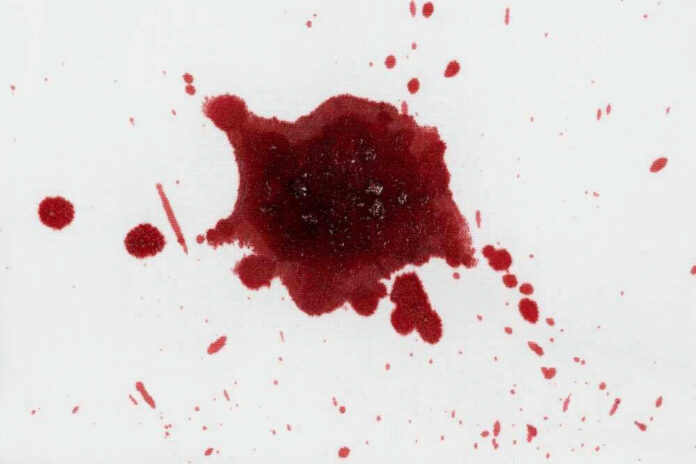
A blood-smeared rum bottle, a vulgar note, and a 14-year wait now hinge on a handful of DNA swabs.
Story Snapshot
- Prosecutors say DNA links the defendant to key items, including a rum bottle and a fast-food bag.
- Investigators identified the suspect in 2021 using relatives’ DNA and a lab match to the scene profile.
- The defense argues DNA timing, handling gaps, and missing samples undercut the State’s story.
- Jurors heard the bottle could be the weapon, but gaps in the documentation and missing prints raise questions.
What the State Says the Evidence Proves
Assistant District Attorney Angela Garcia-Lamarca told jurors the defendant’s DNA shows up across the case: on the rum bottle, on clothing and a food bag, and in biological samples from the victim. Reporting from court states the State Crime Lab flagged the profile on multiple items, including the rape kit, the wine or rum bottle, and the white takeout bag with a vulgar message. Jurors also saw scene exhibits and photos of the apartment, logged and identified with lab stickers and property numbers.
Prosecutors frame the night tightly. The roommate left around 4:20 a.m. An unknown man entered, used the Bacardi bottle, sexually assaulted the victim, and left DNA on items close to her bed. The bottle was found bloodied and tangled in the bedding, consistent with blunt-force injuries the medical examiner described. The State’s medical expert testified the bottle could have caused those injuries, giving the jury a concrete object to picture as a weapon.
How Investigators Landed on a Name After Nine Years
The unsolved case turned in 2021. Investigators used relatives’ DNA and public genealogy methods to find a likely family line. They then compared a known suspect sample with the crime-scene profile and reported a lab match. That process took the case from a faceless profile to a person police could arrest and charge. Coverage ties the identification to a blend of public genetic data and confirmatory lab work.
For many readers, that path sounds like science fiction. It is not. Law enforcement has turned to genetic genealogy when standard database hits fail. The approach builds leads from distant relatives, then asks a lab to confirm a direct match. Experts stress that genealogy guides the search; the lab match anchors the claim to the person.
Where the Defense Aims to Break the Chain
Defense attorney James Rainsford told jurors the State has source-level links but not activity-level proof. He said DNA shows who someone is, but not when it arrived or what act deposited it. He pressed that multiple people’s DNA appears on items, and that does not fix a timeline. He also argued key samples do not carry the defendant’s DNA, including the neck of the rum bottle the State calls the weapon and the tampon itself, though male DNA was on its string.
DNA BREAKTHROUGH PUTS SUSPECT ON TRIAL 14 YEARS AFTER UNC STUDENT'S MURDER
For years, DNA collected after 19-year-old Faith Hedgepeth was found murdered failed to match hundreds of people investigators tested.
Then genetic genealogy led authorities to Miguel Enrique…
— Erik Hoffmann (@TheErikHoffmann) October 13, 2026
The defense highlighted two bloody thumbprints on the bottle neck that an expert said were not the defendant’s, and they stressed gaps in evidence handling. A former evidence specialist testified a bloodstain taken from the bathroom door frame was lost before testing and never documented as lost. Jurors also heard the Bacardi bottle was not photographed where it sat at the scene, only later at the crime lab, and the evidence technician gave no reason.
Sorting the Rum Bottle, the Note, and the Timeline
The bottle sits at the center of the story because it is vivid, bloody, and near the body. The medical examiner said it could match the wounds. That matters. But “could” is not “did,” and the missing in-place photo and non-matching prints complicate a clean claim. Conservative common sense says you do not skip chain-of-custody basics when life and liberty are at stake. Jurors will weigh whether the bottle’s path from bedroom to lab leaves room for doubt.
The vulgar note on the white takeout bag adds a human edge that jurors remember. Prosecutors say the bag carried DNA tied to the defendant. Reporting does not detail who wrote it, whether handwriting was checked, or whether the DNA marks authorship or only contact. Without that bridge, the note proves someone touched the bag; it does not, by itself, prove who wrote the message or when.
The Core Question the Jury Must Answer
The State says the DNA links converge on one intruder in a tight window after the roommate left. The defense says source-level DNA is not a clock and not a camera, and that missing and mishandled pieces weaken the chain. Both positions can be true in part. The verdict turns on whether jurors see a coherent picture that overrides gaps, or gaps that break the picture. The law demands proof beyond a reasonable doubt, not beyond every question.
Sources:
foxnews.com, courttv.com, abcnews.com, abc11.com, wral.com, charlotteobserver.com, cbs17.com