On one of the wealthiest streets in America, an invisible bacteria just turned deadly.
Story Snapshot
- Legionnaires’ disease cases on Manhattan’s Upper East Side have surged from 2 to more than 60 in weeks.
- Cooling towers on at least 31 buildings first tested positive for Legionella bacteria, later rising to 76 towers.
- Officials say there are still no plumbing or drinking water links, pointing instead to rooftop cooling systems.
- Patterns match past New York City outbreaks where slow testing and unclear responsibility fueled anger and fear.
Deadly pneumonia in one of New York City’s safest neighborhoods
New York City health officials first saw trouble on July 2, when two people living near each other on the Upper East Side were diagnosed with Legionnaires’ disease, a severe kind of pneumonia.
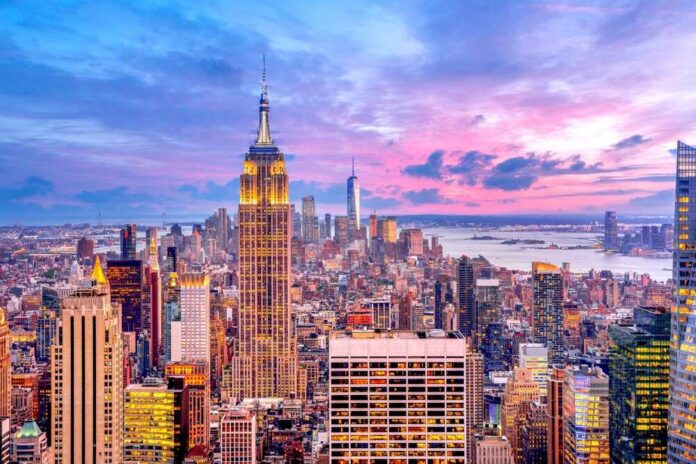
Within days, the health department confirmed a community cluster inside the Carnegie Hill and Yorkville sections, covering ZIP codes 10028, 10128, and later adding 10075 as more cases appeared. That once “small” cluster soon grew into dozens of sick residents, many in the hospital, and at least one death.
Case numbers climbed fast. By July 4, officials reported 14 confirmed infections linked to the Upper East Side area. Within about a week, the tally hit the twenties, with 23 people infected and 17 hospitalized, several in intensive care units. Local news soon reported 46 cases and 22 hospitalizations.
As testing and awareness expanded, the count reached 59 and then 60 cases, with the majority needing hospital care. Residents who had once worried only about property taxes now watched neighbors land in intensive care with sudden, crushing pneumonia.
Cooling towers under suspicion as bacteria spread through city air
Legionnaires’ disease does not spread from person to person. People get sick when they inhale water mist that contains Legionella bacteria, often from rooftop cooling towers on large buildings. City officials quickly ruled out plumbing and drinking water as the source.
The health commissioner told New Yorkers their tap water, showers, and air conditioners were safe to use, stressing that the pattern “fits perfectly” with a cooling tower outbreak. That message aimed to calm panic, but it also raised a hard question: which towers were making people sick?
A third person has died in New York City amid an ongoing cluster of Legionnaires' disease cases in the Upper East Side, according to health officials. https://t.co/sHCTmv7Iyf
— ABC News (@ABC) July 20, 2026
The health department launched an aggressive testing sweep of cooling towers across the affected ZIP codes. Early on, tests found Legionella in 31 buildings on the Upper East Side. Many owners drained, cleaned, and disinfected their towers under city orders, while the rest were given tight deadlines for remediation.
Follow-up testing widened the scope: of 183 cooling towers sampled across 10028, 10128, and 10075, 76 tested positive for the bacteria, including towers on famous sites like the Metropolitan Museum of Art. That number shocked many residents who had assumed strict rules kept such systems well maintained.
A familiar New York City pattern: fast spread, slow answers, and finger pointing
This Upper East Side outbreak fits a troubling pattern New York City has wrestled with for more than a decade. Since 2015, the city has seen multiple Legionnaires’ clusters tied to cooling towers, with at least 213 cases and 18 deaths citywide.
The 2015 South Bronx outbreak forced officials to admit that one hotel’s poorly maintained cooling tower had seeded a large neighborhood with deadly bacteria. Whole genome sequencing and careful tracking were needed to identify that single tower as the source, weeks after people first fell ill.
Central Harlem went through a similar nightmare in 2025. That outbreak ultimately reached 118 confirmed cases and seven deaths, again linked to contaminated cooling towers at major city facilities, including a public hospital and a new health laboratory.
Investigators later closed the cluster with the same core finding: residents got sick by breathing in water vapor from cooling systems, not from taps or pipes.
Each time, initial public warnings arrived only after several people were already in the hospital, and each time, the final list of responsible buildings grew longer than anyone expected.
High stakes for seniors, city leaders, and basic common sense
The Upper East Side is home to many older residents, the group most likely to die from Legionnaires’ disease. The city’s own surveillance reports show that seniors, smokers, and people with chronic health problems face the highest risk when they inhale Legionella-contaminated mist.
When an airborne bacteria cluster hits an area packed with high-rise buildings and aging New Yorkers, the stakes jump from routine public health to life and death, fast. That reality explains why case numbers and hospitalizations matter more than soothing press quotes.
These outbreaks spotlight a deeper problem: powerful city agencies and large institutions often control systems that can silently threaten public health, yet accountability arrives late and gently. In Harlem, officials eventually named two city-linked buildings as sources after more than 100 cases and seven deaths.
On the Upper East Side, dozens of towers, including high-profile cultural landmarks, tested positive before residents got clear answers. When government-owned or elite properties repeatedly sit at the center of these maps, skepticism about oversight is not paranoia; it is basic prudence rooted in experience.
What this outbreak tells ordinary New Yorkers about risk and responsibility
This Upper East Side cluster shows how a “hidden” hazard can move quietly through everyday life. Residents went to work, walked near Central Park, and shopped along busy avenues while a bacteria they could not see drifted from rooftop equipment overhead. Doctors treated severe pneumonia; only later did many patients learn it was Legionnaires’ disease.
Health alerts urged people in three ZIP codes to watch for fever, cough, and trouble breathing, and to seek testing right away if symptoms appeared. Those warnings, while clear, came after the outbreak had already spread beyond the first few cases.
Looking at years of evidence, one fact stands out. Legionnaires’ disease outbreaks in New York City keep coming back to the same source: poorly managed cooling towers on large buildings. When maintenance is weak, inspection is slow, and responsibility is foggy, vulnerable residents pay the price.
The Upper East Side’s third reported death in this cluster should not be treated as a freak event in a “safe” neighborhood. It is another loud signal that invisible infrastructure can be just as dangerous as crime or traffic when left unchecked.
For fast-moving readers who mostly skim headlines, that is the bottom line: the risk is real, it is airborne, and past experience says it will return unless someone is clearly, publicly accountable.
Sources:
abcnews.com, nyc.gov, abc7ny.com, nytimes.com, youtube.com, apnews.com, cbsnews.com, bbc.com, nydailynews.com, edition.cnn.com, cidrap.umn.edu, pmc.ncbi.nlm.nih.gov