
A small brain bleed at a youth hockey rink just benched a United States senator for weeks—and tightened the Senate’s margin when every vote already feels like sudden death overtime.
Story Snapshot
- Senator Chris Murphy had a small hemorrhagic stroke and left the hospital to start rehab.
- Doctors expect a full recovery, but he will miss several weeks of Senate votes.
- The episode began with arm numbness at his son’s hockey game, followed by transfer to Johns Hopkins.
- Health-related absences have precedent; the Senate continues operating during recoveries.
What Happened And What It Means Right Now
Senator Chris Murphy reported arm numbness at his son’s hockey game and went to a local hospital. His team says doctors found a stroke and moved him to The Johns Hopkins Hospital in Baltimore for specialized care. After several days, he was discharged to an inpatient rehabilitation center. A physician at Johns Hopkins called it a small hemorrhagic stroke and said Murphy made strong progress, with a full recovery expected after therapy. Murphy says he will miss several weeks of votes while he rehabs.
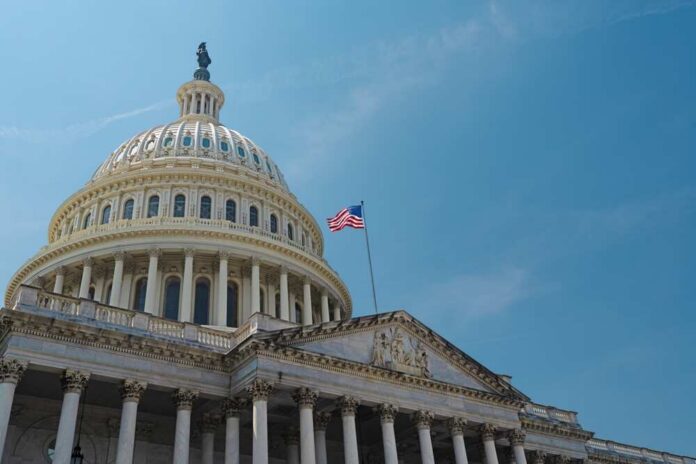
Murphy’s absence changes Senate math in the short term. Committee work can continue with staff support and remote briefings, but votes on the floor tighten. Leaders in both parties plan around illness more often than most people realize. The chamber has long absorbed health breaks without grinding to a halt. That continuity fits the institution’s design, even when a Senator steps away to heal.
The Medical Picture In Plain English
Doctors described Murphy’s event as a small hemorrhagic stroke, which means a tiny blood vessel leaked in the brain. Location and size matter. Smaller bleeds, especially deep ones, often resolve with close monitoring, blood pressure control, and rest. Johns Hopkins’ lead doctor said Murphy’s progress was “tremendous” and pointed to a full recovery after rehab. Rehabilitation after a stroke often focuses on strength, balance, fine motor skills, and speech. The schedule can last weeks, then taper as benchmarks are met.
Warning signs like sudden numbness in an arm, face, or leg deserve urgent care. Fast action can limit damage and improve results. Murphy’s team says he got to the hospital quickly after symptoms began and then transferred to a leading stroke center. That timeline lines up with a positive outlook. It also explains why doctors felt good discharging him to structured therapy, rather than holding him longer in intensive care.
How The Senate Handles Health Absences
The Senate has no formal rule to declare a seat vacant for illness, and it has a long history of working through extended absences. Past members have missed weeks or months to address surgery, strokes, and major infections. Staff keeps offices running, constituents still get help, and committees adapt. The Senate as a body has never expelled a member because of incapacity alone, and it relies on voluntary adjustments in roles when needed.
Sen. Chris Murphy, 53, was hospitalized after an Oct. 31 stroke and transferred to Johns Hopkins in Baltimore. His chief of staff said Nov. 1 that he was awake, alert and responding well to treatment.
Murphy, a Democrat who represents Connecticut, began experiencing numbness in… pic.twitter.com/HeSE6rQdlQ
— HeyDay News (@heyday_news) November 4, 2026
That tradition meets common sense. Voters elect people, not robots, and human beings get sick. The key test is transparency about ability to serve and a credible plan to return. On the facts provided by Murphy and his physician, the plan is clear: finish rehab, regain full function, and resume voting after several weeks. That approach respects both personal health and the public trust, and it follows normal practice for serious but treatable conditions.
What To Watch Over The Next Few Weeks
Expect the Senate schedule to flex while Murphy rehabs. Whip counts matter more, and close votes may slip or get paired. His office will likely share updates when milestones are hit, such as clearing outpatient therapy or returning to light travel. The doctor’s forecast of a full recovery sets a sensible expectation, not a guarantee, and the calendar will prove it out. For now, the story is straightforward: a small bleed, quick care, strong progress, and a defined path back.
Sources:
cbsnews.com, murphy.senate.gov, cnbc.com, apnews.com, cbsaustin.com