

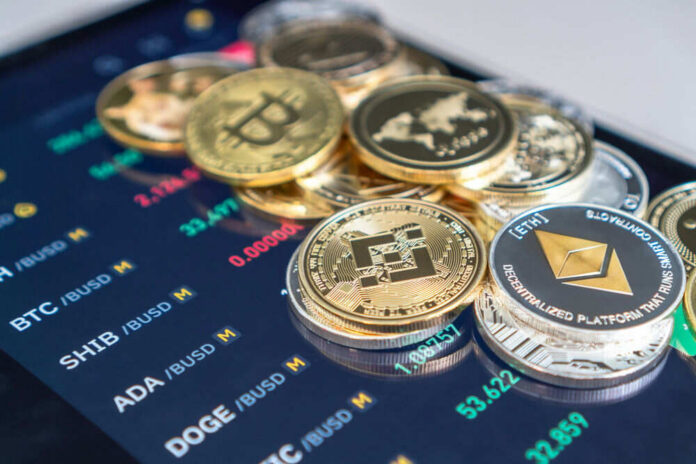
North Korea pulled off the biggest cryptocurrency theft ever recorded, stealing more than six billion dollars from Binance in a single strike, the Federal Bureau of Investigation (FBI) says.
Quick Take
- The FBI says North Korea stole over six billion dollars in virtual assets from Binance on or around October 29, 2026.
- The bureau ties the attack to a North Korean cyber unit it calls TraderTraitor.
- Blockchain investigators say the thieves are mainly converting the stolen funds into Ethereum for laundering.
- The theft fits a long pattern of North Korea using crypto hacks to fund its weapons programs.
What The FBI Says Happened
The FBI released a cyber alert on October 31, 2026, naming North Korea as the party responsible for the Binance theft. The bureau said the attack happened on or about October 29 and involved more than six billion dollars in stolen virtual assets, making it the largest recorded crypto heist. Binance is the world’s biggest cryptocurrency exchange, so the hit landed hard across the entire digital asset market.
Binance estimated the financial impact at roughly $6.3 billion tied to unauthorized withdrawals from its platform. The exchange briefly halted trading as it worked to contain the damage and understand how the breach occurred. The FBI confirmed it was working alongside government and industry partners to trace the stolen funds and respond to the incident.
Who Is Behind The Name TraderTraitor
The FBI refers to the North Korean hacking group behind this attack as TraderTraitor. Blockchain intelligence firm TRM Labs had already pointed to the same group days before the FBI’s public statement, tracking the stolen funds as they moved through the blockchain. Security researchers describe TraderTraitor as an elite unit with a long history of targeting crypto exchanges and the engineers who build them.
Investigators say the stolen assets are being converted primarily into Ethereum, a move common in North Korean laundering operations because it helps break the trail before funds get split and hidden across many wallets. South Korea’s Yonhap News Agency reported the FBI’s confirmation came after earlier suspicion from private analysts who had already flagged a North Korea-affiliated group as the likely culprit.
Why This Fits A Known Pattern
This is not North Korea’s first rodeo. United Nations sanctions monitors have tracked dozens of suspected North Korean attacks on cryptocurrency firms going back to 2017, with damages running into the billions of dollars over the years. The regime has turned crypto theft into something close to an industry, using stolen funds to fund its military and nuclear weapons programs while sanctions cut it off from normal banking.
What makes the Binance theft different is scale, not method. Six billion dollars dwarfs anything North Korea has pulled off before, but the playbook- breach an exchange, move funds fast, launder through decentralized platforms- matches years of documented behavior. Reuters previously reported North Korea laundered over one hundred forty million dollars through the platform Tornado Cash after an earlier theft, showing the regime already has well-worn laundering routes ready to use.
What Comes Next For Investigators And Binance Users
Binance says it resumed withdrawals after the initial shock of the hack, trying to reassure customers their funds remain safe. The FBI’s public attribution puts pressure on international partners and blockchain platforms to freeze or block any stolen funds that try to move through their systems. An attribution is a serious accusation, not a courtroom conviction, but the FBI’s direct and detailed statement leaves little ambiguity about where it believes responsibility lies.
For everyday Americans watching their retirement accounts and savings drift into digital assets, this theft is a blunt reminder that crypto exchanges remain prime targets for hostile foreign regimes. North Korea isn’t hacking for sport. It’s funding missiles and nuclear weapons with stolen crypto, and six billion dollars buys a lot of bad intentions. Lawmakers and regulators now face fresh pressure to tighten security standards across the industry before the next headline-grabbing heist.
FBI blames North Korea for $6 billion Binance hack, urges THORChain to block stolen funds https://t.co/qpa5RB1XNN
— DR.Moore ᚠᚹᛃ (@BatchukaO) November 2, 2026
The bottom line stands plain and simple. The FBI says North Korea did this, named the unit responsible, and tied the stolen funds to a laundering trail already moving through Ethereum. That is the story as official investigators have laid it out, and it lines up with a decade of similar North Korean operations against the crypto industry.
Sources:
foxbusiness.com, dw.com, fbi.gov, en.yna.co.kr, cbsnews.com, securityweek.com, latimes.com, virginiabusiness.com, cbc.ca, techxplore.com