
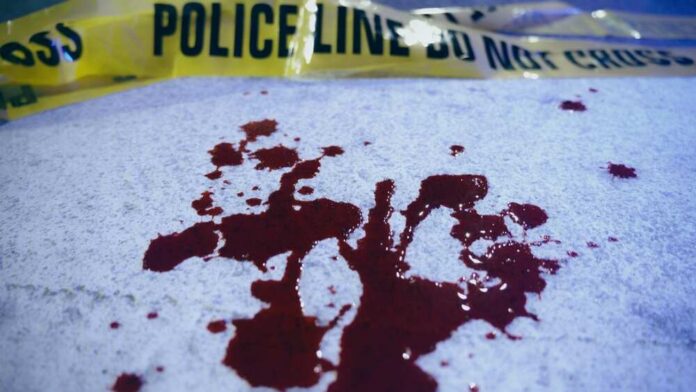
At least 124 people were shot, 17 fatally, during Halloween weekend across U.S. cities, authorities said.
Story Snapshot
- Shootings struck at least 15 cities tied to Halloween events, from house parties to street gatherings.
- Victims included a 5-year-old child, a pregnant woman, and a college student, according to police reports summarized by media.
- A similar Halloween period last year logged at least 11 deaths and more than 70 injuries in multiple cities.
- Holiday totals differ from “active shooter” counts; the Federal Bureau of Investigation (FBI) tracks a narrower category.
One Weekend, Dozens of Crime Scenes
Police departments from California to Delaware fielded shooting calls linked to Halloween parties, nightlife districts, and street events. ABC News reported at least 124 people shot and 17 killed based on law-enforcement accounts, with victims spanning children to young adults and expectant mothers. The spread across at least 15 cities shows how a holiday weekend can multiply risk points at once. Officers described chaotic scenes, crowded venues, and fights that turned into gunfire before responders could clear the area.
A series of shootings across the United States over Halloween weekend left multiple people dead and dozens wounded, with gunfire reported in nightlife districts, near a college campus and at two Halloween stores. https://t.co/IwHQjNtFdk
— WLOS (@WLOS_13) November 2, 2026
Detectives in several jurisdictions tied shootings to large gatherings where small disputes quickly escalated. Crowds masked suspects and complicated witness accounts. Street takeovers and pop-up parties shifted locations with little notice. Police said the fast movement of people and cars made scene control hard. Those details fit a known pattern: big social events create more contact, more friction, and more chances for someone to bring a gun to an argument.
How This Fits the Halloween Pattern
The prior year offers a clear baseline. The Associated Press said the pre-Halloween weekend produced at least 11 deaths and more than 70 injuries in Tampa, Texarkana, Kansas City, San Antonio, Mansfield, and Indianapolis, citing police. The latest tally is higher but follows the same map: nightlife cores, party houses, and outdoor crowds. City leaders often surge patrols for such weekends, yet the case load still spikes. The mix of alcohol, masks, and massed strangers is a stubborn risk factor.
Casualty totals also reflect how cities log incidents. Media syntheses draw on police statements, hospital briefings, and scene updates. Some victims are counted at the scene, others at hospitals later. Preliminary numbers can shift as agencies reconcile reports. Even so, the bottom line remains hard to dismiss: a concentrated wave of shootings tied to one holiday window hit families and bystanders across the country, and many mourn fresh losses as detectives work leads.
Why “124 Shot” Is Not the Same as “Active Shooter”
The holiday tally and the Federal Bureau of Investigation’s “active shooter” reports measure different things. The FBI’s active-shooter category covers individuals trying to kill people in a populated area; it excludes many types of gunfire that occur at parties, homes, or street disputes. The FBI reported 24 active-shooter incidents in 2024, a much narrower lens than a weekend count of everyone shot nationwide. Confusing these categories muddies policy debates and misleads the public about trends.
Clear definitions matter for action and accountability. Leaders need apples-to-apples measures to judge what works. Weekend roundups flag urgent harm but do not replace uniform reporting. A practical fix starts with local clarity: name the place, time window, victim count, and incident type, then roll those up in a consistent way. That approach respects due process, aids victims, and keeps the focus on suspects who pull triggers, not on shifting headlines.
What Common Sense Says to Do Next
City chiefs and prosecutors can target the choke points we see every year. Flood known hotspots on holiday weekends. Enforce venue capacity rules at party rentals. Use mobile lighting and cameras in nightlife corridors. Serve warrants on repeat gun offenders before big events. Fast-track gun-crime cases where the evidence is strong and the danger is ongoing. These steps match conservative priorities: protect the innocent, back the police, and hold the worst actors to firm account.
Families also play a role. Parents can steer teens away from unvetted parties. Hosts can secure access, ban weapons, and call police at the first sign of trouble. Faith groups and community mentors can run safe events that draw crowds out of risky scenes. These low-cost shields save lives when paired with strong policing. A culture that prizes self-control and responsibility beats chaos every time. The goal is simple: fewer guns in heated moments, and quicker consequences when someone fires one.