
New York’s own audits flagged billions of dollars paid without proof, and the paper trail tells a troubling story.
Story Snapshot
- Audits found vast Medicaid home-care claims without required visit verification.
- The Comptroller estimated about $11 billion in improper pandemic unemployment payments.
- Health and Labor officials dispute parts of those figures and methods.
- Targeted fixes are underway, but system gaps still risk taxpayer money.
What auditors say went wrong and why it matters
State auditors reported that Medicaid managed care plans and systems allowed large sums to flow with weak checks. One Comptroller review said plans paid as much as $1.5 billion to providers who did not appear to be enrolled in Medicaid, based on claims from 2018 through mid-2023. Another audit found the state’s Medicaid system paid $16.2 million improperly in just six months starting October 2023, across 370 million processed claims. These are not rounding errors; they point to control gaps that scale.
🚨 New report on New York’s taxpayer dollars:
• $14.5B in unverified Medicaid payments
• $11B in improper unemployment payments
• $1.2B potentially paid on behalf of people who may no longer live in the stateThe Comptroller says oversight is working. The numbers raise… pic.twitter.com/6tnyc7Cgd4
— State Financial Officers Foundation (@SFOF_States) October 27, 2026
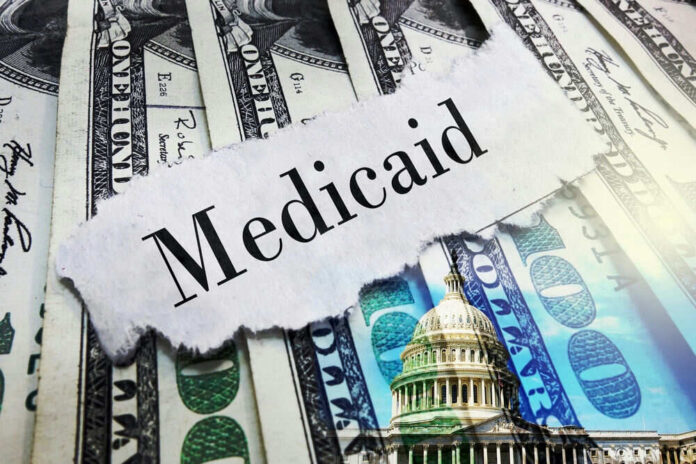
Personal care and home health claims drew the sharpest alarms. The Comptroller’s office said the state paid $14.5 billion for home care services that lacked required electronic visit verification matches. Health officials pushed back, saying timing differences in data pulls and other factors can explain some unmatched entries, and missing verification alone does not prove the service never happened. Still, the agency committed to review the unmatched claims and tighten provider guidance and oversight.
Unemployment payments during the pandemic surge
On unemployment insurance, the Comptroller traced billions in improper payments to an outdated system and workarounds during the pandemic spike. The office estimated roughly $11 billion in fraud by applying a federal fraud rate to more than $76 billion in benefits paid during the crisis. That estimate lands in a national pattern: federal watchdogs later assessed pandemic unemployment fraud at about 11 to 15 percent of total benefits nationwide, a massive figure by any standard.
The New York Department of Labor rejects the Comptroller’s number. The agency says the estimate came from extrapolating a tiny 0.01 percent sample with a flawed model and pegs potential fraud closer to $4 billion, including about $388 million in state-level benefits. Labor leaders also stress that the worst abuse involved identity theft, not ordinary claimants, and they report stopping 97 percent of fraud attempts before payment with current tools.
Where the pushback holds up—and where it falls short
Health officials are right that missing visit records are not a final verdict on fraud. Data lags, mismatched fields, and vendor errors can break a link even when care occurred. Their promise to review the unmatched claims and enforce compliance is responsible and overdue. That said, a program that pays billions without a clean proof-of-service chain invites abuse. Common sense says you pay after you verify, not before.
Labor officials are right that the pandemic broke normal guardrails and that sample-based extrapolation can overshoot or undershoot. Their lower estimate deserves a hard look. But the core point remains: an antiquated system failed basic fraud defenses when pressure hit, and taxpayers ate the risk. The fix is not to debate decimal points forever; it is to modernize quickly, log real identity checks, and publish transparent recovery results so the public can track progress.
What prudent stewardship should look like now
Three steps would align with conservative values and basic accountability. First, flip the burden of proof: require proof-of-service data that matches claim fields before payment, with automated denials for gaps and fast appeals for genuine care. Second, harden identity controls in unemployment and Medicaid enrollment, using cross-checks that flag stolen identities early. Third, report clean metrics each quarter—overpayments identified, dollars recovered, providers sanctioned, and system fixes completed.
New York has started down this road. The Health Department is updating provider guidance and warning that steady noncompliance can trigger reviews, audits by the Office of the Medicaid Inspector General, and repayment demands. The Comptroller continues to surface specific control failures and recoveries, including recent findings of improper payments and premium errors that systems should have blocked. The lesson is simple: speed without verification costs more in the end than it saves up front.
The bottom line for taxpayers
Audits do not prove every dollar is fraudulent, but they do show how systems let money out the door without proof—and that is how fraud and waste spread. New York’s argument about methods and context deserves space, but the remedy is the same either way: verify services, verify identity, and publish the receipts. When agencies do that, trust returns. When they do not, the bill does—again and again, with interest.
Sources:
osc.ny.gov, dol.ny.gov, lohud.com, gao.gov