
A new analysis of 28,345 government safety reports found that cardiac arrest showed up about 11 times more often when caffeine or stimulant products were involved compared to other products.
Quick Take
- Researchers reviewed 28,345 adverse-event reports sent to the Food and Drug Administration (FDA) from 2017 through 2025.
- Cardiac arrest appeared roughly 11 times more often in reports tied to caffeine or stimulant products than in other reports.
- About 45% of the cardiovascular reports involving these products came from adults aged 18 to 34.
- The findings came from a conference presentation that has not yet gone through formal peer review.
What The New Heart Study Actually Found
Scientists presented the findings at the American Heart Association Scientific Sessions 2026 as Abstract MDP0323. They combed through 28,345 reports filed with the FDA’s safety database over eight years. Of those, 854 involved energy drinks or other caffeine and stimulant supplements; the remaining 27,491 reports involved products without those ingredients. Cardiac arrest turned up about 11 times more often in the stimulant group.
The pattern did not stop at cardiac arrest. The same reports showed heart attack mentioned nearly five times more often and other heart problems, including irregular heartbeats, about four times more often in the stimulant group. Nearly half of all the cardiovascular reports tied to these products involved people between 18 and 34, an age range usually considered low risk for heart trouble.
Young Hearts, Unexpected Risk
Doctors have flagged this age pattern before. A 2024 review by researchers Maxime Chami and Sébastien Di Primio described two young adults, ages 25 and 28, who suffered cardiac arrest outside a hospital shortly after drinking energy drinks. The authors stopped short of declaring the drinks a direct cause, but the timing matched a troubling pattern already showing up in other case reports.
A separate study from the Mayo Clinic Genetic Heart Rhythm Clinic looked at 144 survivors of sudden cardiac arrest. Seven of them, about 5%, had their cardiac arrest soon after drinking an energy drink. Those same seven reportedly stayed symptom-free once they quit the drinks, a detail that adds weight to the broader concern even without proving a direct cause.
Why Experts Urge Caution Before Sounding The Alarm
The study’s authors were careful about one thing: this type of research tracks associations, not proof of cause. The FDA’s safety database collects reports that doctors and patients submit voluntarily. Nobody verifies every detail, and the reports often lack full information about a person’s other health conditions, medications, or habits.
The analysis also lumped energy drinks together with pre-workout powders, caffeine pills, and other stimulant supplements. That means the 11-fold figure describes the whole category, not energy drinks specifically. Coverage of the study also noted that researchers did not account for other factors, such as alcohol use or existing heart conditions, that could play a role.
How This Fits The Bigger Pattern With Safety Data
This is not the first time a safety-reporting signal has raised alarms before full proof arrived. Agencies built these reporting systems to catch early warning signs, not to calculate exact odds for the average person. A signal like this tells researchers where to look next, not how dangerous a product actually is for someone who drinks it occasionally.
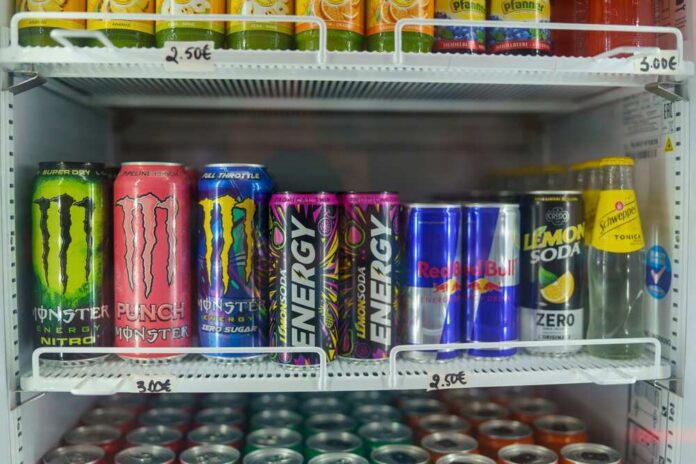
That distinction matters for parents, coaches, and anyone who grabs an energy drink before a long shift or a workout. The honest takeaway is straightforward. These products, sold next to soda and water on store shelves, deserve more scrutiny, especially for young people with undiagnosed heart conditions. Common sense says treat heavy stimulant use with the same caution as any other drug, pending further study.
Researchers now want follow-up work that tracks actual exposure and outcomes, not just voluntary reports. Until then, the honest answer is that energy drinks carry a real, documented safety signal worth taking seriously, even though scientists have not yet nailed down exactly how big that risk is for the millions of young adults who drink them every day.
Energy drinks and stimulant-packed supplements may put young adults at greater risk for heart problems, including cardiac arrest, according to new research presented at the American Heart Association’s annual meeting. https://t.co/qIBnkEoVTk
— NBC News (@NBCNews) November 2, 2026
For now, cardiologists suggest moderation and awareness, especially for anyone with a family history of heart problems or unexplained fainting spells. The science will keep evolving, but this round of research sends a clear message you can act on today.
Sources:
newsroom.heart.org, newsobserver.com, nbcnews.com, newser.com, research.dial.uclouvain.be