

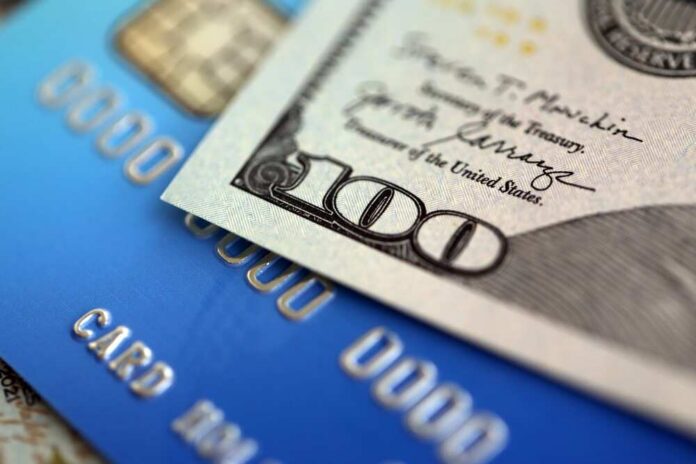
President Trump says he is ready to work with Democrats on a law capping credit card interest rates at 10%, reviving a campaign promise that could reshape how millions of Americans borrow and pay off debt.
Quick Take
- Trump said Saturday he would work with Democrats in the next Congress to cap credit card interest rates at 10%
- The idea first surfaced as a one-year cap floated on Truth Social in January 2026
- Banking groups and economists warn the cap could cut off credit access for tens of millions of borrowers
- No federal law currently limits credit card interest rates, and any cap would need Congress to act
Trump Revives a Campaign Promise on Borrowing Costs
President Trump told reporters Saturday he is open to teaming up with Democrats on legislation that would cap credit card interest rates at 10%. The pitch is not new. He promoted a similar cap during his 2024 campaign and renewed it in January 2026, when he called for a one-year ceiling starting immediately after posting the idea on Truth Social.
🚨 IT'S OFFICIAL: President Trump confirms he would SIGN legislation that blocks credit card companies from having interest rates above 10%
"I'd do it. These credit card companies have made A LOT. And the credit card FEES that they charge — I'm all into it!"
This would likely… pic.twitter.com/ctts7hiPZz
— Eric Daugherty (@EricLDaugh) November 22, 2026
Average credit card annual percentage rates have sat well above 20% for most borrowers in recent years, making the gap between current costs and a 10% cap enormous for anyone carrying a balance month to month. That gap is exactly what Trump’s supporters point to when arguing the plan would deliver real relief to families drowning in revolving debt.
Why the Numbers Worry Lenders and Economists
The American Bankers Association estimates that as many as 159 million Americans could lose access to credit if a 10% cap becomes law, because issuers would tighten who qualifies for a card at all. The group also expects tighter credit standards, lower limits, higher fees, and fewer rewards programs even for cardholders who pay their balance in full every month.
The American Enterprise Institute reached a similar conclusion, predicting that issuers would cancel many near-prime and subprime accounts outright. Borrowers who kept their cards could face new fees, collateral requirements, or sharply reduced limits, while rewards and promotional rates would likely be rationed to customers with the strongest credit scores.
E.J. Antoni, the Heritage Foundation’s chief economist, put the warning in blunter terms, saying three-fourths of credit card holders could lose their accounts or face drastic limit cuts, while every remaining customer sees higher fees and fewer perks. A separate industry-funded analysis using Federal Reserve data found up to two-thirds of cardholders who regularly carry a balance could see their credit lines shrink or disappear.
Who Would Feel the Squeeze First
Reporting from the South Shore Press suggests the real cutoff line could fall near a credit score of 745, with tens of millions of borrowers below roughly 720 losing access to new credit entirely while rewards programs stay intact for top-tier customers. That pattern would concentrate the pain among working- and middle-class borrowers who rely on credit cards to cover emergencies, not the wealthier cardholders who already qualify for the best terms.
Coverage from WJLA notes the fight over actual numbers is far from settled, with competing estimates from industry-aligned groups and academic researchers landing in very different places. That disagreement matters because it shapes whether lawmakers see this as a modest consumer protection or a sweeping disruption to how credit gets priced and distributed nationwide.
A Fight With Deep Roots in Banking Law
Rate caps are not a new idea in American finance. A 1978 Supreme Court ruling in Marquette National Bank of Minneapolis v. First of Omaha Service Corporation let banks charge the interest rate allowed in their home state to customers anywhere in the country, effectively ending most state usury limits on credit cards. That decision opened the door to the high, risk-based pricing system card issuers use today, and it is the legal backdrop every modern rate-cap proposal has to work around.
Congress has flirted with national caps before without passing one, and the current push faces the same basic hurdle. Trump cannot impose a cap by himself; any binding limit would need to clear both chambers of Congress, and a bipartisan Senate bill proposing the same 10% ceiling has stalled before. Whether this renewed bipartisan interest finally breaks that logjam, or joins a long list of rate-cap efforts that went nowhere, is the real question hanging over Washington now.
Sources:
thoughtcatalog.com, cnbc.com, southshorepress.com, x.com, aei.org, wjla.com, zacks.com, benzinga.com