A tactical retreat from Democrat-led cities has sparked a heated debate over federal vs. state authority, as President Trump temporarily withdraws National Guard troops.
Story Highlights
- President Trump withdraws National Guard troops from Chicago, Los Angeles, and Portland after legal challenges.
- Decision follows unprecedented judicial blocks in Democrat-led cities.
- Trump signals potential re-deployment if urban crime rates soar again.
- Democrat leaders celebrate a “major victory” for state sovereignty.
Trump Withdraws Troops Amid Legal Battles
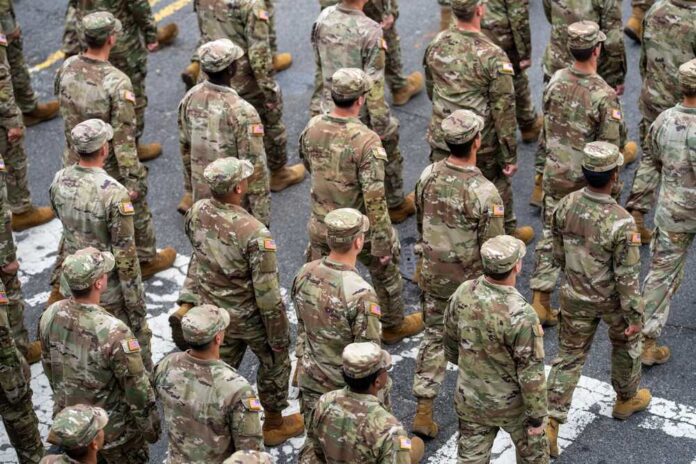
President Donald Trump announced on December 31, 2025, that he is temporarily withdrawing National Guard troops from Chicago, Los Angeles, and Portland, following significant legal opposition.
Trump’s decision comes after courts in these Democrat-led cities blocked the deployments, marking a tactical retreat by the administration. However, Trump has warned of a potential return should crime rates increase, emphasizing a “much different and stronger form” of future action.
Trump says he’s dropping push for National Guard in Chicago, LA and Portland, Oregon, for now https://t.co/qaBqfNzSOF
— New York Daily News (@NYDailyNews) January 1, 2026
This move reflects a strategic response to persistent legal defeats in cities governed by Democrat leaders. The legal challenges were spearheaded by state officials such as California Attorney General Rob Bonta, who hailed the withdrawal as a “major victory” for state rights and a stand against federal overreach.
Federalization Challenges and Historical Context
The deployment of the National Guard to these cities under Trump’s federalization efforts echoes his earlier actions in 2020, during the Black Lives Matter protests. However, this time, the focus was on urban crime control. The legal battles that ensued highlighted the tension between federal authority and state sovereignty, with the judiciary playing a pivotal role in maintaining the balance.
Federalization under Title 10 authority allows the President to bypass governors, a move that has been met with resistance in states like California. Governor Gavin Newsom and other local leaders have consistently opposed such federal interventions, arguing for the preservation of state autonomy over their National Guard units.
Implications and Future Prospects
The withdrawal of the National Guard has immediate and future implications. In the short term, it ends the federal presence in these cities, boosting Democrat leaders’ legal victories. In the long term, it sets a precedent for judicial limits on Guard federalization, potentially influencing future federal deployments.
As crime rates remain a contentious issue, the political narrative surrounding federal overreach versus urban disorder is expected to shape the 2026 midterm elections. This development also strengthens the debate over the command and control of National Guard units, which could affect law enforcement strategies in high-crime areas.