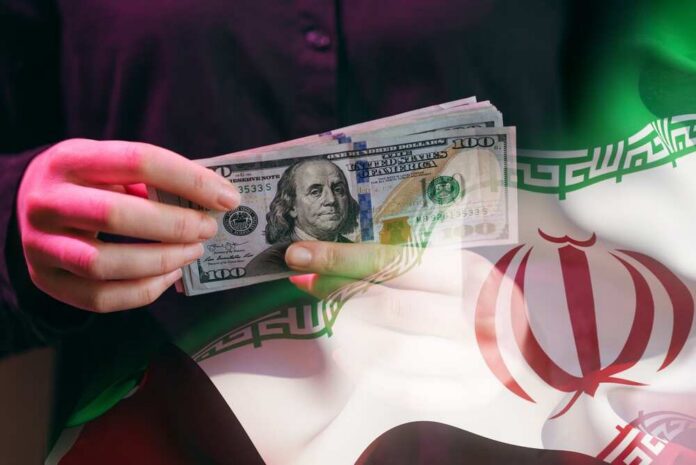
Iran is now forcing oil tankers through the Strait of Hormuz to pay $1 per barrel in Bitcoin or Chinese yuan, a brazen scheme that bypasses U.S. sanctions, funds the Islamic Revolutionary Guard Corps, and could funnel up to $80 billion annually into the regime’s coffers while undermining American economic power.
Story Snapshot
- Iran imposes a $1-per-barrel toll on oil tankers transiting the Strait of Hormuz, demanding payment exclusively in cryptocurrency or Chinese yuan to evade U.S. sanctions
- Islamic Revolutionary Guard Corps vets vessels using “friendliness rankings” that exclude Western and Israeli-linked ships, charging up to $2 million per tanker
- Toll could generate $70-80 billion annually for Iran if pre-conflict traffic levels resume, directly funding a regime hostile to American interests
- The scheme follows a fragile Trump-brokered ceasefire that reopened the critical chokepoint handling 20% of global oil supply
Iran Exploits Critical Chokepoint After Ceasefire
The Islamic Revolutionary Guard Corps began enforcing cryptocurrency and yuan tolls on oil tankers transiting the Strait of Hormuz following a fragile two-week ceasefire brokered by President Trump in early April 2026.
The 21-mile-wide waterway between Iran and Oman handles approximately 20 million barrels of oil daily, representing 20% of global supply. Iran’s National Security Committee formalized the toll system through legislation approved in early April, requiring vessels to pay $1 per barrel before receiving secret permit codes for passage along routes hugging Iran’s coastline.
Iran is demanding that oil tankers passing through the Strait of Hormuz make toll payments in the form of cryptocurrency, including Bitcoin and stablecoins such as Tether’s USDT or the Trump family’s USD1. Vessels have been told to email Iranian authorities prior to passage… pic.twitter.com/CjMpvw8Q3X
— OSINTdefender (@sentdefender) April 9, 2026
IRGC Gatekeepers Control Billion-Dollar Revenue Stream
The IRGC’s Hormozgan Provincial Command vets every vessel using ownership records, cargo manifests, and tracking data, assigning ships “friendliness rankings” from one to five that effectively bar Western and Israeli-linked operators.
Very Large Crude Carriers face fees approaching $2 million per transit, paid exclusively in Bitcoin, stablecoins like USDT and USDC, or Chinese yuan.
Hamid Hosseini, spokesperson for Iran’s Oil, Gas, and Petrochemical Exporters Union, confirmed Bitcoin payments ensure transactions remain untraceable and protected from U.S. confiscation, revealing the regime’s deliberate strategy to circumvent sanctions while generating massive revenue.
Sanctions Evasion Threatens U.S. Economic Leverage
Iran’s crypto toll system represents a direct assault on America’s ability to enforce economic sanctions and maintain dollar dominance in global energy markets. By demanding payment in non-dollar assets, the regime accelerates de-dollarization and could generate $14.7 million daily if traffic returns to pre-conflict levels.
Crypto analyst Lark Davis noted Iran’s daily Bitcoin purchases could exceed El Salvador’s acquisitions by 270 times, potentially driving Bitcoin prices toward $86,000 while legitimizing cryptocurrency as a sanctions-evasion tool for rogue regimes worldwide.
Energy Security and Economic Risks Mount
The toll adds approximately five to 10 percent to freight costs for Very Large Crude Carriers, raising concerns about price spikes for American consumers already battling inflation from years of reckless government spending.
Gulf allies Saudi Arabia and the UAE are discussing pipeline alternatives to reduce dependence on the Iranian-controlled strait, but such infrastructure requires years to build.
Meanwhile, shipping traffic remains well below normal levels as Western operators face exclusion and routing mandates force vessels dangerously close to Iran’s coast, creating safety risks for crews navigating under the regime’s direct surveillance.
This scheme exemplifies the consequences of weakness in confronting Iranian aggression. The regime’s control over a vital energy artery now funds the IRGC while undermining sanctions that took decades to construct.
American energy independence remains the only viable shield against such extortion, yet the toll system will continue extracting billions as long as global markets depend on oil flowing through waters controlled by a hostile theocracy determined to erode U.S. influence through cryptocurrency and yuan-based trade arrangements.
Sources:
Iran Imposes $1 Oil Transit Fee in Crypto as Strait of Hormuz Reopens Under Fragile Ceasefire
Report: Iran Charges Crypto and Yuan Tolls for Strait of Hormuz Oil Tanker Passage
BTC Price Eyes Recovery as Iran Adopts Bitcoin for Oil Transit Fees
Iran to Accept Crypto Payments as Fees for Oil Tankers Passing Through the Strait of Hormuz