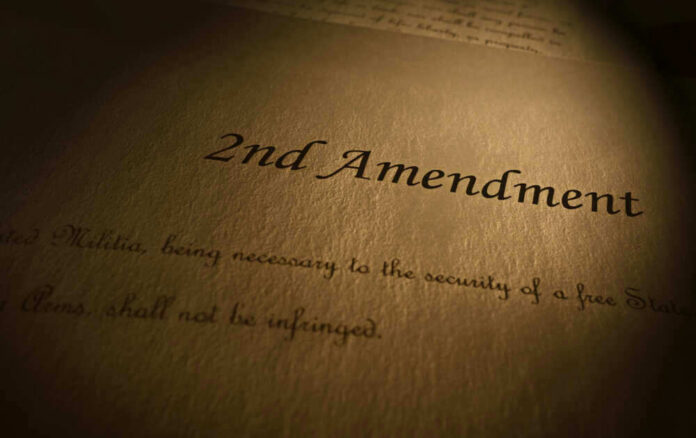
In a major victory for constitutional rights, Tennessee judges have struck down two state gun restrictions in parks and for “intent to go armed.”
Story Highlights
- Tennessee judges ruled that bans on guns in parks and “intent to go armed” laws are unconstitutional.
- The decision follows the Supreme Court’s Bruen ruling, reshaping Second Amendment cases nationwide.
- Law enforcement can no longer arrest solely for carrying a firearm in public spaces without a criminal context.
- The state is reviewing the ruling’s scope and considering legislative or legal responses.
Judges Declare Tennessee Gun Restrictions in Parks Unconstitutional
In August 2025, a panel of Tennessee judges ruled that two state laws restricting gun carry in public parks and playgrounds—and criminalizing the “intent to go armed”—violate both the U.S. and Tennessee constitutions.
This decision responds to a lawsuit filed by Gun Owners of America, the Gun Owners Foundation, and individual residents, who argued that these laws overstepped constitutional boundaries and ran afoul of the Supreme Court’s 2022 Bruen decision. The Bruen precedent demands that modern gun laws align with the nation’s historical tradition, a test these Tennessee restrictions failed.
The panel’s ruling now voids the classification of parks as “sensitive places,” a designation that had previously justified restrictions on lawful gun owners. The “intent to go armed” statute, criticized for its ambiguous language and burdening defendants to prove their intent, was also struck down. For years, such laws allowed law enforcement to detain or arrest citizens simply for possessing a firearm in public recreational spaces, regardless of criminal activity. Now, police must demonstrate a direct criminal act before taking action, restoring greater clarity and fairness for law-abiding gun owners.
The Bruen Decision’s Ripple Effect on State Laws
This Tennessee ruling is part of a broader national trend triggered by the Supreme Court’s Bruen decision, which redefined how courts evaluate Second Amendment cases. States like New York, California, and Hawaii are facing similar legal challenges over gun bans in parks and other public places.
Tennessee’s shift toward permitless carry in 2021 set the stage for this legal showdown, signaling a move away from restrictive permitting and toward expanded individual rights. The court’s decision sends a strong message: gun restrictions must be rooted in genuine historical precedent, not arbitrary or overly broad classifications.
Governor Bill Lee has announced that state officials are actively reviewing the impact of the ruling and weighing an appeal. The Tennessee Firearms Association interprets the decision as potentially allowing not just handguns, but also rifles and shotguns in public spaces—though the ruling’s language does not explicitly confirm this. Law enforcement agencies and local governments now face the challenge of updating policies, signage, and enforcement protocols to reflect the new legal reality.
Immediate and Long-Term Impact on Citizens, Law Enforcement, and Policy
The immediate effect of the ruling is legal uncertainty in parks and public spaces. Law enforcement must adjust arrest protocols, ensuring that officers do not detain individuals solely for carrying a firearm unless there is an associated crime.
For gun owners, the decision expands their rights to carry in previously restricted areas, restoring protections many feel have been eroded by years of government overreach. Local governments will need to revise policies and signage, while the general public may see increased debates over safety and constitutional rights.
Judges rule Tennessee's gun limits in parks and playgrounds are unconstitutional
(NO CONSTITUTION-FREE ZONES!!)https://t.co/C1FBgxIfJv #2A #guns— OnlineFreeUSA (@OnlineFreeUSA) August 28, 2025
Long-term, the ruling sets a significant precedent for further challenges to gun restrictions in Tennessee and other states. Legislators may introduce new bills to clarify or replace the struck-down statutes, and the ongoing national conversation about “sensitive places” and the scope of the Second Amendment will likely intensify. Experts caution that while the decision restores constitutional protections, it leaves some ambiguity about its full scope, especially regarding which types of firearms are covered.
Expert Perspectives and National Relevance
Prominent voices in the legal and gun rights community have hailed the decision as a restoration of constitutional principles. Attorney David Raybin notes that the ruling brings much-needed clarity for citizens and law enforcement, eliminating confusion caused by ambiguous laws. The Tennessee Firearms Association sees this as a victory for gun rights, emphasizing the importance of historical tradition in evaluating regulations.
As Tennessee adapts to the new legal landscape, other states will watch closely. The precedent set here may prompt further reviews of gun restrictions in parks, libraries, and civic centers nationwide. For conservatives who value individual liberty and constitutional protections, this ruling is a clear win against government overreach and a reaffirmation of the right to self-defense in public spaces.
Sources:
Judges rule Tennessee’s gun limits in parks and playgrounds are unconstitutional (SFGate/AP)
Frequently Asked Questions: New Concealed Carry Law (New York State Gun Safety FAQ)
Judges rule Tennessee’s gun limits in parks and playgrounds are unconstitutional (WCYB/AP)
Tennessee gun limits in parks, playgrounds ruled unconstitutional (Daily Memphian)