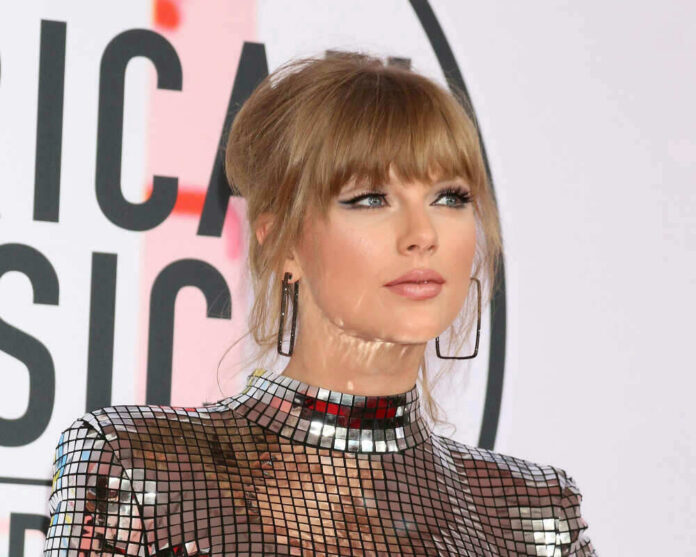
Taylor Swift faces a federal lawsuit from a hardworking Las Vegas showgirl who claims the pop star stole her decade-old trademarked brand for a blockbuster album.
Story Snapshot
- Las Vegas performer Maren Wade sues Taylor Swift, UMG Recordings, and Bravado over “The Life of a Showgirl” infringing her “Confessions of a Showgirl” mark.
- Wade has built her brand since 2014 through columns, live shows, and a book; her trademark is incontestable since 2015.
- Swift’s October 2025 album sold 4 million copies in its first week, but the USPTO rejected her trademark application for confusion with Wade’s mark.
- Lawsuit filed March 30, 2026, seeks damages and injunction against Swift’s tour and merch planned for May 2026.
Lawsuit Details
Maren Wade, known as Maren Flagg, filed the federal lawsuit in California federal court against Taylor Swift, UMG Recordings, and Bravado International Group Merchandising Services.
The complaint alleges trademark infringement, unfair competition, and false designation of origin.
Wade claims that Swift’s album title “The Life of a Showgirl” confuses consumers with her established “Confessions of a Showgirl” mark, which has been used in entertainment since 2014.
The suit highlights shared phrasing, identical structure, and overlapping markets in shows and performances.
Taylor Swift is facing a new lawsuit over her latest album, "The Life of a Showgirl," which accuses the singer of trademark infringement. https://t.co/nwCNyT85Dm
— CBS Mornings (@CBSMornings) March 31, 2026
Wade’s Brand History
Wade launched “Confessions of a Showgirl” as a weekly column in Las Vegas Weekly in 2014, chronicling her experiences as a showgirl.
She expanded it into a live show, including a 2024 off-Broadway run at New York’s Laurie Beechman Theatre, and a book.
In May 2014, she filed for U.S. Trademark Registration No. 4,792,015, which was registered on August 11, 2015, and later deemed incontestable.
This status provides strong legal protection after years of consistent commercial use, underscoring the value of property rights for independent creators.
Common sense dictates that trademarks safeguard hard-earned brands, especially for performers relying on unique identities in competitive industries like Las Vegas entertainment, where showgirl personas define careers.
Swift’s Album and USPTO Rejection
Taylor Swift released “The Life of a Showgirl” on October 3, 2025, achieving 4 million first-week sales. In August 2025, her team applied for a trademark, but the USPTO issued a partial refusal in November 2025, citing the likelihood of confusion with Wade’s mark.
The application remains suspended. Despite this, Swift proceeded with merchandise and announced a “Tour of a Showgirl” for May 2026, without contacting Wade, raising questions about respect for established intellectual property.
Stakes and Potential Outcomes
Wade seeks unspecified damages, an injunction halting further use of the title in albums, tours, and merchandise, and protection for her professional identity built over 12 years.
Her attorney stated, “Trademark law exists to ensure creators at all levels can protect what they’ve built… That’s what this case is about.”
Swift and UMG have not publicly responded. The power imbalance—Swift’s global resources versus Wade’s indie status—highlights the challenges faced by small creators against entertainment giants.
In the short term, an injunction could disrupt Swift’s 2026 tour plans and merch sales. Long-term, a Wade victory might set a precedent for title similarities between music and niche shows, encouraging caution among labels.
This case bolsters indie protections in an industry often favoring big players, aligning with principles of fair competition and individual achievement.
Sources:
CBS News: Taylor Swift sued for trademark infringement over ‘The Life of a Showgirl’
Casino.org: Former Vegas showgirl sues Taylor Swift for trademark infringement
Parade: Taylor Swift Being Sued By Vegas Showgirl Over ‘The Life of a Showgirl’ Trademark