
America’s first pope delivered a powerful Easter message calling for global peace while conspicuously avoiding naming the conflicts involving the United States and its allies in his formal address to the world.
Story Snapshot
- Pope Leo XIV, the first U.S.-born pontiff, celebrated his inaugural Easter Mass with a forceful condemnation of war in his homily
- The pope notably refrained from naming the U.S.-Israeli war on Iran or Russia’s Ukraine campaign in his traditional “Urbi et Orbi” message
- Leo’s diplomatic restraint raises questions about the Vatican’s positioning as American military involvement in the Middle East enters its second month
- Christian ceremonies in Jerusalem faced severe Israeli security restrictions, with religious leaders barred from traditional Palm Sunday celebrations
First American Pope Navigates Delicate Diplomatic Balance
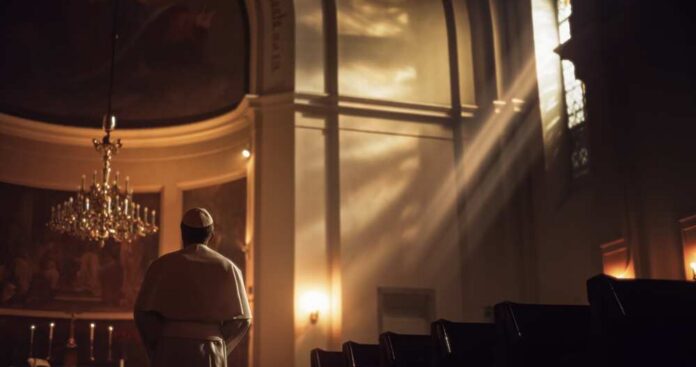
Pope Leo XIV marked his first Easter as pontiff with an open-air Mass in St. Peter’s Square on April 5, 2026, delivering a message that emphasized peace while carefully navigating the political complexities of his American heritage.
The pope’s homily directly condemned “those who wage war, abuse the weak and prioritize profits,” yet his formal “Urbi et Orbi” blessing to the city and world conspicuously omitted specific references to ongoing conflicts.
This diplomatic approach stands in stark contrast to his forceful Palm Sunday statement that God does not listen to prayers from those who wage war or invoke His name to justify violence.
In his traditional "Urbi et Orbi" blessing, Pope Leo XIV warned against complacency in the face of relentless violence https://t.co/SigeRdadrR
— DW News (@dwnews) April 5, 2026
Nonviolent Rhetoric Amid Active Military Conflicts
During his Easter homily, Leo emphasized that “the power with which Christ rose is entirely nonviolent,” calling for peace through “respectful relationships at every level: among individuals, families, social groups, and nations.”
The timing proves significant as the U.S.-Israeli military operation against Iran entered its second month, while Russia’s campaign in Ukraine continues. Leo urged the faithful to ensure “the Easter gifts of harmony and peace may grow and flourish everywhere and always throughout the world.”
The pope’s message warned against indifference facing “persistent injustice, evil, indifference and cruelty,” though he stopped short of identifying specific perpetrators or conflicts in his worldwide address.
American Pope’s Silence Raises Strategic Questions
The first U.S.-born pope’s decision not to name American military involvement in the Middle East conflict during his formal address presents troubling questions for conservatives who value both strong national defense and moral clarity.
While Leo’s position as spiritual leader requires diplomatic sensitivity, his restraint may signal an unwillingness to confront his native country’s foreign policy decisions directly. This approach contrasts with traditional Catholic teaching on just war theory and the Church’s historical willingness to speak truth to power.
The pope’s measured language suggests potential coordination with diplomatic channels rather than a prophetic moral witness that conservatives might expect from religious leadership during wartime.
Jerusalem Christians Face Security Restrictions
Israeli authorities imposed severe limitations on Christian religious observances in Jerusalem during Holy Week, scaling back traditional ceremonies at the Church of the Holy Sepulcher due to security concerns related to ongoing missile attacks.
Police prevented top religious leaders, including Latin Patriarch Pierbattista Pizzaballa, from celebrating Palm Sunday services at Christianity’s holiest site. These restrictions placed limits on public gathering sizes and strained relations between Israeli security forces and Christian leadership.
The interference with religious freedom raises legitimate concerns about government overreach affecting faith communities, even amid legitimate security threats. Such limitations demonstrate how military conflicts directly disrupt fundamental religious liberty, a core conservative value deserving robust defense regardless of geopolitical alignments.
Vatican Positioning and American Foreign Policy
Pope Leo XIV’s approach establishes a concerning pattern for his papacy as the first American pontiff navigating conflicts involving his homeland. The distinction between his forceful homily condemning war and his diplomatic “Urbi et Orbi” message reveals calculated restraint that may prioritize institutional relationships over moral clarity.
As the Trump administration manages complex Middle Eastern security challenges, Leo’s position as both spiritual leader and American citizen creates unprecedented dynamics.
His emphasis on nonviolence and common good over private interests provides a thematic foundation for future messaging, yet his unwillingness to name specific conflicts leaves faithful Catholics without clear moral guidance on contemporary warfare. This diplomatic ambiguity may influence Catholic perspectives on American foreign policy when clarity serves the cause of peace and justice more effectively.
Sources:
Pope Leo calls for hope amid conflicts first Easter – CBS News