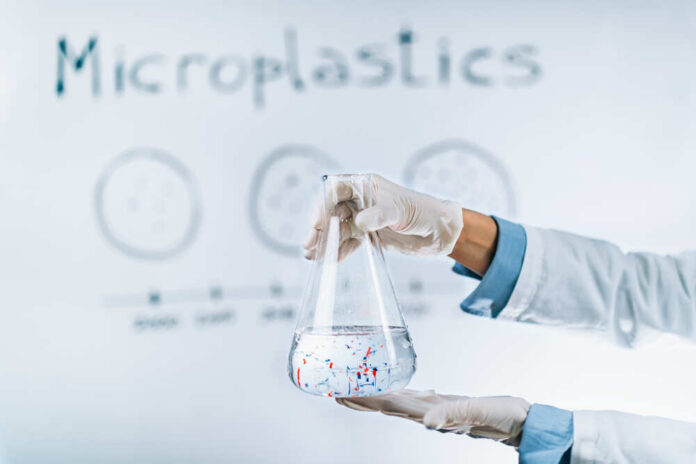
Microplastics invade human blood, brains, and placentas, prompting HHS to launch a $144 million war on these invisible toxins poisoning Americans from the inside out.
Story Highlights
- HHS Secretary Robert F. Kennedy Jr. announces the STOMP program, which includes $144 million to detect, measure, and remove microplastics from human bodies.
- EPA Administrator Lee Zeldin adds microplastics to drinking water contaminant list for the first time, signaling urgent regulatory action.
- Program prioritizes vulnerable groups like pregnant women, children, and workers, addressing plastics found in organs, blood, and placentas.
- First federal initiative focused on human-specific tools, moving beyond animal studies to actionable clinical tests validated by CDC.
Program Announcement Details
This week, HHS Secretary Robert F. Kennedy Jr. unveiled the STOMP program, or Systemic Targeting of MicroPlastics, through ARPA-H. This $144 million effort develops tools to detect, quantify, and remove microplastics and nanoplastics from the human body.
The initiative responds to detections in lungs, arterial plaques, brains, blood, placentas, and organs. Kennedy emphasized decisive action, stating that Americans deserve clear answers about daily exposure to water, food, and air.
Joint HHS-EPA Collaboration
EPA Administrator Lee Zeldin joined the announcement, adding microplastics and pharmaceuticals to the agency’s Contaminant Candidate List for drinking water. This marks the first such designation, paving the way for prioritized funding and potential regulations.
The collaborative effort under President Trump’s administration aligns health research with environmental oversight. Zeldin described it as a direct response to millions of concerned Americans facing pervasive threats in their water supply.
ARPA-H structures STOMP in two phases. Phase 1 develops gold-standard measurements and studies biological mechanisms, including CDC-validated clinical tests. Phase 2 targets removal strategies.
Proposals open now, with solution summaries due May 6, 2026, and full submissions by June 22, 2026. Multidisciplinary teams of toxicologists and data scientists will fill critical knowledge gaps.
The Department of Health and Human Services is introducing a first-of-its-kind program to study microplastics and the effect they have on the human body, HHS Secretary Robert F. Kennedy Jr. announced.https://t.co/MBFsgKN3tv
— WJZ | CBS Baltimore (@wjz) April 2, 2026
Health Threats and Vulnerable Populations
Microplastics, particles smaller than 5mm, and nanoplastics accumulate in human tissues, correlating with heart attacks, strokes, neurodegenerative diseases, depression, and colorectal cancer via gut microbiome disruption.
Animal studies confirm disease links, but human data lack quantification and causality. The program prioritizes pregnant people, children, chronic disease patients, and high-exposure workers, protecting future generations from unregulated environmental poisons.
Experts like ARPA-H’s program directors stress precise measurement before removal, as plastics vary in harm and pathways. Dr. Leonardo Trasande of NYU notes emerging risks at the cellular level demand immediate action.
This first-of-its-kind federal push departs from past correlational research, delivering tools for real-world interventions amid public demands for transparency.
Sources:
https://www.cbsnews.com/news/epa-lee-zeldin-microplastics-drinking-water-contaminant-list/
https://www.nutritioninsight.com/news/microplastics-nanoplastics-tools-removal-human-health.html
https://www.latimes.com/science/story/2026-04-02/microplastics-water-epa-hhs