
Your summer vacation just got a lot more expensive, and the culprit isn’t greed—it’s geopolitics erupting halfway around the world.
Story Snapshot
- United Airlines announced ticket prices will jump 15-20% from last year to offset jet fuel costs that surged 70-95% since the U.S.-Israel conflict with Iran began in late February 2026.
- The airline has rolled out five broad price increases since January and hiked checked bag fees to $50, yet passenger demand remains strong with yields up 20% year-over-year.
- Jet fuel hit $4.88 per gallon in early April after the conflict disrupted roughly 20% of global oil flows through the Strait of Hormuz, echoing 2022’s Russia-Ukraine war pricing shock.
- United executives say brand loyalty allows them to recover 100% of fuel costs without losing customers, setting a precedent other carriers are expected to follow industry-wide.
When War Hits Your Wallet at 30,000 Feet
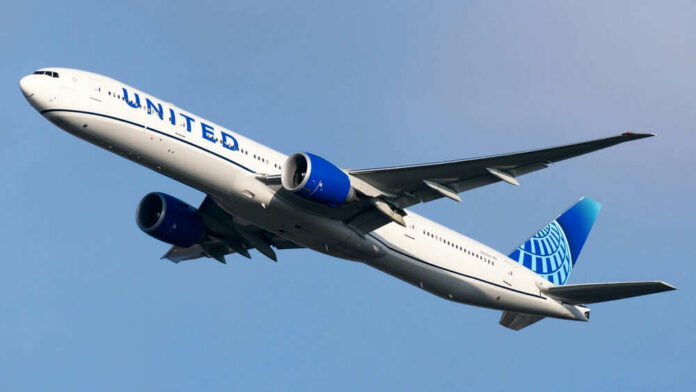
United Airlines CEO Scott Kirby delivered the news during the carrier’s first-quarter 2026 earnings call: fares are climbing as quickly as fuel trucks can fill jet tanks. The trigger? A U.S.-Israel conflict with Iran that erupted February 28, choking off one-fifth of the world’s oil supply through the Strait of Hormuz.
Jet fuel prices rocketed from pre-war levels to $4.23 per gallon—a 70% spike—and briefly touched $4.88 in early April. United’s response was swift: five price hikes since January, a $10 bump in checked bag fees to $50, and a promise to passengers that they’ll foot the entire bill.
What’s remarkable isn’t the increase itself—airlines have passed along fuel costs before, notably during the 2022 Russia-Ukraine war when prices doubled. What stands out is the lack of passenger pushback. Andrew Nocella, United’s Chief Commercial Officer, reported yields soaring 20% year-over-year for future bookings, with “demand hanging in there really strong.”
Translation: Americans are paying premium prices and still booking summer trips. That kind of pricing power reveals two realities—travelers have limited alternatives as airlines consolidate routes, and United’s bet on brand loyalty is paying dividends despite record FY2025 revenue of $59 billion barely cushioning margin erosion.
The Strait of Hormuz Stranglehold
Geography matters when 20% of global oil flows through a 21-mile-wide choke point. The Strait of Hormuz has long been the Achilles’ heel of global energy markets, and the current U.S.-Israel-Iran clash exploits that vulnerability perfectly.
When hostilities began late February, crude prices spiked immediately, dragging jet fuel—a refined petroleum product—along for the ride. Airlines for America and data provider Argus confirmed the 70-95% surge, figures that dwarf typical seasonal fluctuations.
United’s CFO Michael Leskinen framed the hikes as unavoidable: recover costs or sacrifice margins already squeezed by post-pandemic operational pressures and labor agreements.
United Airlines raising ticket prices up to 20% as fuel costs surge amid Iran war https://t.co/6aStPXUbrk
— FOX Business (@FoxBusiness) April 23, 2026
This isn’t United’s first rodeo with geopolitical oil shocks. The 2022 Ukraine invasion triggered similar double-digit fare increases, yet passenger traffic rebounded within months as pent-up travel demand overwhelmed sticker shock. History suggests travelers treat airfare like gasoline at the pump—they grumble, they pay, they move on.
But prolonged conflict introduces uncertainty the 2022 precedent didn’t face: if the Strait remains contested through peak summer travel, $4.88-per-gallon fuel could become the new baseline rather than a temporary spike, cementing 15-20% fare increases as permanent rather than cyclical adjustments.
Testing the Limits of Consumer Tolerance
United’s five price hikes since January represent a calculated stress test of what the market will bear. Yields climbing from 4% in early 2026 to 20% by mid-April signal that test is passing—so far.
Nocella’s confidence stems from data showing bookings haven’t softened despite relentless price creep and the new $50 bag fee, up from $40 for the first time in two years. That resilience gives United license to push further, and competitors are watching closely.
When the industry’s largest domestic carrier moves aggressively on pricing without losing share, others typically follow within weeks. Bag fee hikes across multiple carriers earlier this year already demonstrated that coordinated upward pressure.
Yet demand strength today doesn’t guarantee tolerance tomorrow. Summer 2026 represents a critical inflection point: families booking vacations months ahead absorbed initial increases, but sustained fuel costs above $4 per gallon could force airlines to cut flight frequencies to preserve profitability, reducing options and pushing fares higher still.
Industry analysts warn fewer flights mean less competition on popular routes, giving survivors even more pricing leverage. For travelers, that translates to a lose-lose scenario—pay 20% more or cancel plans altogether.
United’s gamble is that brand loyalty and travel habit resilience outweigh budget constraints, a bet grounded in post-pandemic behavior but untested against prolonged geopolitical instability.
What Comes Next for Air Travel Affordability
United’s executives project confidence that fuel cost recovery won’t crater demand, citing customer loyalty as a moat against defection. That confidence isn’t misplaced—airline consolidation over the past two decades has left travelers with fewer choices and less route redundancy, effectively trapping flyers in a take-it-or-leave-it marketplace.
If the Iran conflict drags on, expect industrywide adoption of United’s playbook: incremental hikes disguised as fuel surcharges, ancillary fee creep on bags and seat selection, and route rationalization that prioritizes high-margin business corridors over leisure markets.
The 2022 playbook saw fares retreat once oil stabilized; 2026’s wildcard is whether Strait of Hormuz tensions prove transitory or entrenched.
United Airlines raising ticket prices up to 20% as fuel costs surge amid Iran war https://t.co/2xXbfnXpZ8 #FoxBusiness
— CallieBenson (@CallieforTrump) April 24, 2026
For consumers planning travel, the calculus is bleak but clear: book sooner rather than later, as prices show no signs of retreating before summer peak season. United’s willingness to absorb short-term PR blowback for long-term margin protection signals that airlines view current conditions as the new normal, not an anomaly.
Businesses exist to profit, and passing costs to customers beats eating losses. The question isn’t whether United will succeed in raising fares; it’s whether competitors follow suit quickly enough to make rollback politically or economically unviable. Early indicators suggest they will, leaving travelers to budget accordingly or stay home.
Sources:
United Airlines raising ticket prices up to 20% as fuel costs surge amid Iran war – Fox Business