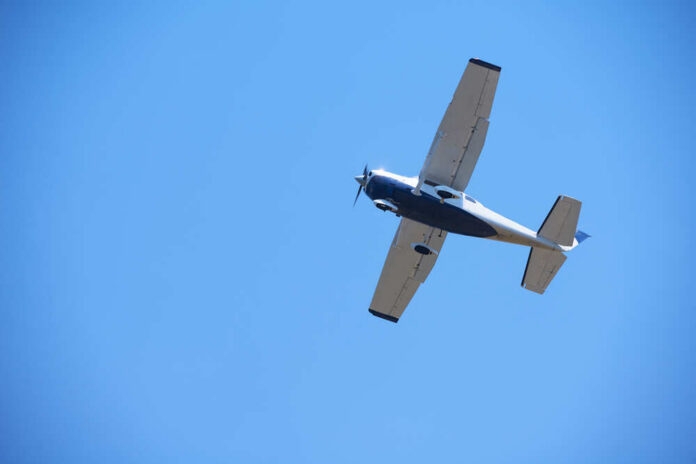
A Cessna plane vanished into South Sudan’s misty mountains just 28 minutes after takeoff, claiming 14 lives and exposing a nation’s deadly aviation curse.
Story Snapshot
- Cessna aircraft operated by CityLink Aviation crashed 20 km from Juba, killing all 13 passengers and 1 pilot.
- Plane departed Yei at 9:15 AM local time on April 27, 2026, lost communication at 9:43 AM amid poor visibility.
- Victims included 12 South Sudanese and 2 Kenyan nationals; no survivors reported.
- Preliminary cause: adverse weather in mountainous terrain, per South Sudan Civil Aviation Authority.
- Incident underscores chronic safety issues like inadequate maintenance and infrastructure in South Sudan’s skies.
Crash Sequence Unfolds in Minutes
CityLink Aviation’s Cessna 208 Caravan, registration 5Y-NOK, lifted off from Yei town at 9:15 AM local time, bound for Juba International Airport. The small aircraft carried 13 passengers and one pilot through South Sudan’s challenging airspace.
Exactly 28 minutes later, at 9:43 AM, controllers lost all communication. The plane slammed into Luri area’s rugged outskirts, 20 kilometers from Juba, erupting in flames captured on social media videos.
Plane crash in South Sudan kills all 14 on board https://t.co/GiecOLUtUa
— BBC News (World) (@BBCWorld) April 27, 2026
Adverse Weather Seals Tragic Fate
Misty mountains cloaked the crash site in low visibility, the primary culprit according to initial South Sudan Civil Aviation Authority reports. Seasonal fog and hilly terrain near Juba demand precise navigation, yet the region lacks robust weather forecasting and aids.
Pilots face routine hazards here, where sudden mist turns routine flights lethal. This Cessna joined a grim tally of wrecks pinned on nature’s fury amplified by systemic neglect.
Chronic Failures in South Sudan’s Skies
South Sudan logs frequent crashes from overloading, shoddy maintenance, crumbling runways, and brutal weather. Poverty and conflict starve aviation of funds for radar upgrades or pilot training. Juba hub’s surrounding peaks trap moisture, birthing fog that blinds even seasoned crews. Common sense demands accountability—operators like CityLink must prioritize safety over shortcuts.
Emergency teams reached the fiery wreckage swiftly, but found only devastation. The authority dispatched investigators to secure black boxes and remains amid the haze. Families of 12 South Sudanese and 2 Kenyans await answers, their grief fueling calls for reform in a sector long overdue.
Stakeholders Grapple with Aftermath
South Sudan Civil Aviation Authority leads the probe, balancing cause determination with safety enforcement. CityLink Aviation confronts liability as operations halt, credibility shattered.
Government manages fallout, eyeing international ties strained by repeated disasters. Victims’ kin demand transparency, while first responders handled recovery in treacherous terrain. Broader ripples hit regional trust—passengers now hesitate on domestic hops.
Plane crashes on the outskirts of South Sudan's capital, killing 14 peoplehttps://t.co/RTCt5MOefy
— Economic Times (@EconomicTimes) April 27, 2026
This crash reinforces aviation’s vulnerabilities: weak weather monitoring, sparse navigation gear, murky maintenance logs. Full inquiry pending, yet patterns scream for investment.
Sources:
Plane crashes on the outskirts of South Sudan’s capital, killing 14 people
Plane crashes on the outskirts of South Sudan’s capital, killing 14 people
14 killed in plane crash on outskirts of South Sudan’s capital
Plane crashes on the outskirts of South Sudan’s capital, killing 14 people
Plane crashes on outskirts of South Sudan capital Juba, all onboard killed
Plane crashes on outskirts of South Sudan’s capital, 14 killed
Plane crashes on the outskirts of South Sudan’s capital, killing 14 people