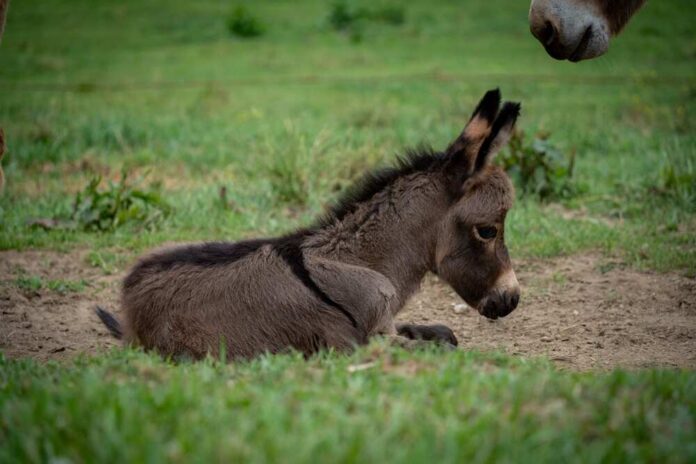
A midnight police search ended with a family’s bottle-raised donkey shot dead in his own pasture, and the official silence since has only sharpened public anger.
Story Snapshot
- Cedartown police confirmed an officer shot a pet donkey during a missing-child search.
- The officer is on leave; the chief says body-camera video exists but will not describe it yet.
- The owner says officers entered the pasture around 12:45 a.m. without permission.
- The family says officers claimed the donkey ran toward them, and a Taser was used first.
A late-night search turns tragic in a quiet pasture
Police searched for a missing child in Polk County, Georgia, after midnight. During that search, a Cedartown officer shot and killed HeeHaw, a miniature donkey raised on a bottle inside the family’s home, according to the owner.
The city confirmed the shooting and placed the officer on administrative leave while an investigation proceeds. The chief acknowledged the existence of body-camera footage, a key piece of evidence that could settle what happened in seconds.
Owner Hannah Israel says officers entered the private pasture around 12:45 a.m. without permission or warning. She says officers later told her HeeHaw ran toward them while braying, they tried a Taser, and then fired the fatal shot. The city has not released a detailed account from the officer.
The chief said he would not describe the video due to the active investigation. When asked if the officer claimed fear for his life, he said no.
What we know, what we do not, and why it matters
Three facts are clear: the search was for a missing child, an officer killed the donkey, and the officer is on leave while the case is reviewed. The open question is whether the officer faced a threat that justified lethal force against a small farm animal.
The owner’s account describes a familiar, curious donkey approaching strangers at night. The police chief’s refusal to describe the video keeps the core moment sealed from view while emotions and narratives harden around it.
SHOCK: GEORGIA COPS TRESPASS onto PROPERTY — then SHOOT DEAD BABY DONKEY during MISSING PERSON SEARCH
HEEHAW TAZED before OFFICER OPENED FIRE and KILLED him — COP FELT ‘THREATENED’
OFFICER PUT ON LEAVE pic.twitter.com/rdeb59hTV8
— The World Watch ⛨ (@WorldWatchGoat) September 1, 2026
Georgia’s open-records rules make these delays common. State guidance says body-camera and in-car video footage is generally disclosable in closed cases, while ongoing investigations may withhold footage until completion. That legal structure protects cases, but it also breeds mistrust when a short clip could answer the key question.
For many citizens, especially rural property owners, private land is sacred. Entering a pasture at night without clear notice magnifies the sense of violation.
Common-sense standards on private land and use of force
A missing-child search is urgent and can justify swift action. But urgency does not erase basic prudence on someone’s land. Rural officers know gates, livestock, and family dogs or donkeys are part of the job.
Many departments train for animal encounters, stressing time, distance, and voice commands over force. If the officer believed a small donkey posed a risk, the body-camera video should show clear cues of danger and an attempt to slow things down before a gunshot. If it does not, policy and judgment failed.
Most readers accept that officers face tough calls. They also expect straight answers when force ends a life, even an animal’s. The chief said the officer did not claim fear for his life, which narrows the possible justifications to protection of others or a perceived imminent attack on the officer short of lethal risk. That is a high bar to meet against a miniature donkey. If the facts cannot meet that bar, leadership should say so plainly and act accordingly.
What should happen next to restore trust
First, secure and preserve all video, radio traffic, and reports from every officer on scene. Second, release the body-camera video as soon as state investigators clear it for public view.
Georgia agencies often wait for case closure, but nothing stops leaders from urging faster release when doing so serves the public interest. Third, set out the animal-encounter policy in force that night, and explain where actions matched or broke it. Policy sunlight matters more than press-ready sentiment.
🚨UPDATE: STATEMENT FROM THE CITY OF CEDARTOWN
The Cedartown Police Department is aware that a city police officer shot and killed a donkey in the early hours of Sunday morning.
A Cedartown police officer was on the scene after being called by Polk County Police to assist… pic.twitter.com/pLH2ypPCqQ
— Amy Leigh (@IAmyLeigh) September 1, 2026
Fourth, make the farm whole if the investigation finds fault. That includes discipline that fits the facts, retraining on nighttime searches on private land, and real animal-encounter training. If, on review, the video shows a sudden, credible threat, say so with specifics and time stamps. Most people can handle hard truth; they reject hedged answers that dodge the obvious.
Sources:
wsbtv.com, youtube.com, substack.com, agr.georgia.gov