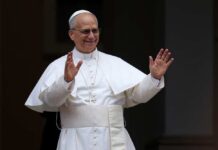

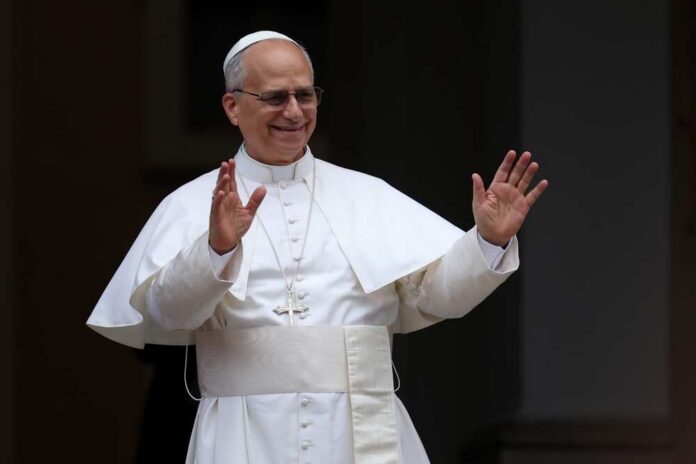
Pope Leo XIV cast a mail-in ballot in his hometown of Chicago, making him the first pope in history known to vote in a United States election.
Quick Take
- The Vatican confirmed Pope Leo voted as a U.S. citizen, calling it an exercise of his legal right.
- Reports say he submitted a mail-in ballot in Chicago ahead of the November midterm elections.
- Leo told reporters aboard the papal plane he is “proud to be an American” and to exercise that right.
- He is the first sitting pope known to have voted in a U.S. general election.
Vatican Confirms The Historic Ballot
The Holy See press office announced on October 30 that Pope Leo “has exercised his right to vote as a United States citizen, whenever he was eligible to do so”. Reporters quickly traced the ballot to Chicago, the pope’s native city, where he remains registered to vote. The confirmation came days before the midterm elections, turning a routine civic act into a global headline.
Born Robert Prevost in Chicago, Leo kept ties to his hometown even after decades of missionary work in Peru and his election as pope in 2025. His decision to vote by mail fits a man who, by multiple accounts, never stopped seeing himself as an American citizen with a civic duty, even while leading the global Catholic Church from Vatican City.
Pope Explains His Reasoning In His Own Words
Leo addressed the vote directly on November 6, speaking with journalists during his flight from Rome to Montevideo at the start of a Latin America trip. “I’m proud to be an American and to exercise the right” to vote, he told reporters. The remark was simple and personal, framing his vote as a matter of citizenship rather than political strategy or endorsement.
Multiple outlets, including the Associated Press, CNN, and CBS News, carried nearly identical quotes from that exchange, giving the public a consistent account of what the pope said and why. Leo reportedly declined to discuss the outcome of the midterms, which shifted control of Congress and were widely described as a setback for President Trump. That restraint matters. A pope weighing in on policy outcomes would raise real questions about mixing church authority with partisan politics. Leo instead kept his comments limited to the act of voting itself, treating it as a basic American right rather than a political statement.
Why This Moment Stands Apart In Papal History
Popes have historically avoided voting in civil elections, including in Italy and in the countries where they were born. Leo’s situation differs because he is the first American-born pope, and Illinois allows registered voters living abroad to request mail ballots. That combination created a first-of-its-kind moment: a sitting pontiff casting a ballot in a modern Western democracy’s election.
News organizations treated the story as historic largely because of that novelty, not because of any dispute over what happened. The Vatican’s own statement, paired with Leo’s on-the-record comments, gives the public a clear and consistent account. A sitting pope voted, he voted by mail in Chicago, and he explained his reasoning as pride in his American citizenship.
For conservative-minded Americans who value civic participation, Leo’s comments land as a straightforward endorsement of voting as a duty tied to citizenship, not partisanship. He did not tell Catholics how to vote. He did not weigh in on which party deserved support. He simply affirmed that casting a ballot is something every eligible citizen, including himself, should do. That is a message with broad appeal across the political spectrum, delivered by a man whose job usually keeps him above the fray of American elections entirely.
Sources:
cbsnews.com, apnews.com, americamagazine.org