

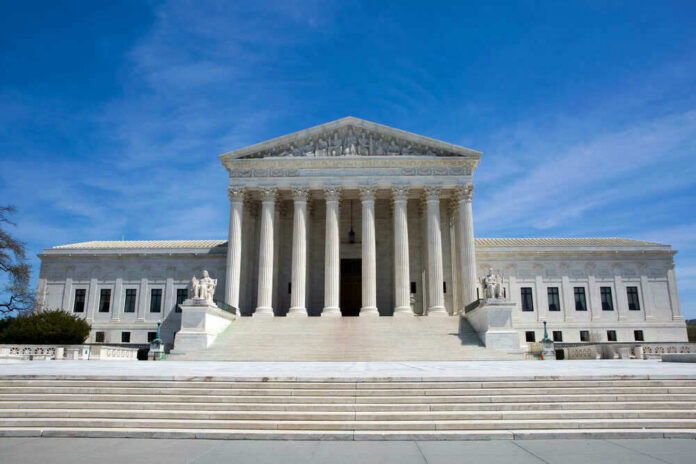
The Supreme Court’s green light lets bulldozers roll in Big Bend while the real fight moves to the courtroom.
Story Snapshot
- The Supreme Court paused a lower court’s block, allowing construction to resume for now.
- The administration argues Congress gave clear power to waive laws for fast border projects.
- Opponents say the waivers exceeded legal limits and cite Big Bend’s low illegal-entry rates.
- The order is temporary and does not decide the core legal questions.
What The Court Actually Did And Why It Matters
The Supreme Court issued an unsigned order that paused a district court injunction. That pause lets the Trump administration continue barrier and road work in the Big Bend sector while appeals unfold. The dispute centers on whether the Department of Homeland Security can waive dozens of environmental and conservation laws to speed construction. The Court did not settle that question. It restored the status quo the government wanted: build now, argue later.
The administration asked for emergency relief after a district judge found the challengers were likely to win on a “major questions” theory and halted work. The stay signals that at least five justices saw enough harm in delay to let projects continue during the legal fight. That is not a final win, but it keeps crews moving and contracts alive in a case where time and logistics are part of the government’s leverage.
The Legal Core: How Far Congress Let DHS Go
The government’s case leans on Section 102 of a 1996 immigration law, later expanded, which lets the Homeland Security secretary build barriers and waive “all legal requirements” needed for fast construction. The Justice Department told the Court that Congress “was hardly shy” about this grant of power and that the secretary used it as designed. The administration’s reply brief argues Congress spoke clearly, so courts should not second-guess the waivers’ legality.
🚨🇺🇸 SCOTUS gives Trump GREEN LIGHT to resume TEXAS BORDER PROJECT
The Supreme Court has cleared the resumption of construction on a controversial 500-mile-plus border security project in Texas's Big Bend region. Justice Brown Jackson was the lone dissenter.
Plans include… pic.twitter.com/fVlXjhQCvA
— Mario Nawfal (@MarioNawfal) November 9, 2026
Opponents counter that even broad words have limits. They argue the statute ties barriers to “areas of high illegal entry,” and Big Bend does not meet that mark. They also claim the waivers trampled environmental and historic protections beyond what Congress allowed. The district court echoed those themes, saying plaintiffs were likely to succeed and that protected wilderness faced lasting harm if construction went forward.
Big Bend’s Facts On The Ground And The Clash Of Harms
Big Bend is remote, scenic, and tied to tourism, ranching, and river life. Plaintiffs say wall segments and access roads would scar the land, hurt recreation, and cut through cultural resources. They told the court these losses cannot be undone. The judge credited that record and found the area had the lowest rate of illegal entry along the border, undercutting the government’s urgency claim for this site.
The administration frames the balance differently. It says the injunction risks operational gaps, strains agents, and invites more illegal crossings in nearby corridors. It argues national security and border control outweigh aesthetic and recreational concerns while litigation plays out. That framing helped win the stay. For many conservatives, that aligns with common sense: a sovereign border comes first, and Congress already gave the tools to build when needed.
What The Stay Does Not Decide And What Comes Next
The order does not bless the waivers or resolve the major-questions issue. It buys time. Appeals will test three pressure points. First, whether Section 102’s waiver power is as sweeping as the administration says. Second, whether courts can review these waivers beyond narrow constitutional lanes. Third, whether Big Bend’s conditions fit Congress’s “high illegal entry” focus. Those answers will come from fuller records, not emergency filings.
Expect both sides to sharpen the facts. The government can strengthen its hand with sector data, maps, and sworn declarations that link this segment to real operational risks and response times. Opponents will press the park context, cultural sites, and alternative measures that reduce harm. The Supreme Court may not take the merits soon. Meanwhile, steel, roads, and staging yards change facts on the ground, which can shape outcomes as much as briefs do.
Sources:
redstate.com, reuters.com, washingtonexaminer.com, yahoo.com