

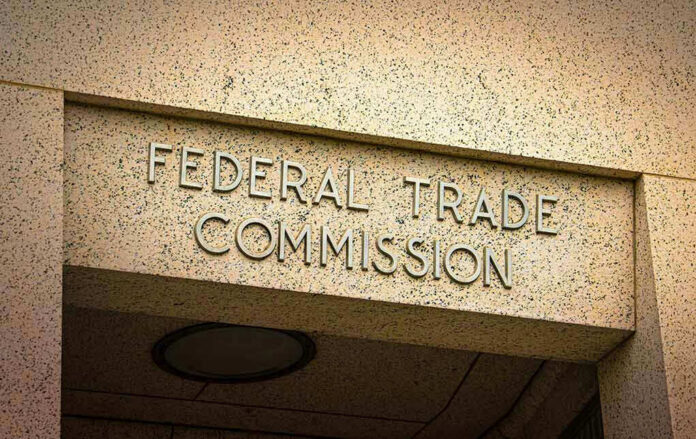
Shein agreed to pay $100 million and accept strict new rules after federal claims it misled American shoppers.
Story Snapshot
- The Federal Trade Commission (FTC) alleged Shein misrepresented delivery times and buried bad reviews.
- A proposed court order would bar Shein from suppressing negative reviews and overstating shipping windows.
- $100 million would fund consumer redress if the court approves the settlement.
- The case also targets claims about supplier checks and cotton sourcing.
What The Government Said Happened
The Federal Trade Commission filed a complaint saying Shein promised fast, reliable shipping while tens of thousands of customers got orders days, weeks, or months late, and some never arrived at all. The agency also alleged the company showcased favorable reviews and hid or deleted critical ones, including from buyers who returned items. The complaint said Shein made misleading claims about supplier audits, product traceability, and cotton origin for some goods sold in the United States.
The filing did more than criticize. The Federal Trade Commission asked a federal court to impose an order that would bar the practices going forward and create a path to pay harmed consumers. The proposal includes clear rules: do not misstate delivery times; treat negative reviews the same as positive ones; and provide customer service that does not stonewall refunds or returns. The agency said shoppers deserve the truth before they click “buy,” not excuses after the box is late.
What The Proposed Order Would Force
The proposed stipulated order enters a $100 million judgment and sets strict ad and review standards. Shein would be prohibited from suppressing or deleting negative consumer reviews except for narrow, clearly defined reasons, such as profanity or personal data. It would be barred from exaggerating shipping speed or reliability. It would face limits on claims about supplier checks and cotton sourcing unless those claims are backed by evidence. The money would go to consumer refunds through the Federal Trade Commission’s redress process.
These terms reach into the plumbing of a modern online store. Review tools shape what shoppers see and trust. Delivery promises drive purchase decisions, especially before holidays. Supply-chain claims touch values many Americans care about. When a company tweaks any of these levers, it can tilt the field. The order tries to level it. That aligns with a basic conservative view: compete hard, but tell the truth, show your work, and fix it fast if you fail.
How This Fits A Larger Crackdown
The case tracks a broader shift in consumer protection. The Federal Trade Commission has moved from chasing one-off ads to policing how platforms run reviews, refunds, and seller claims. The agency has warned hundreds of firms about fake or hidden endorsements and has advanced rules to curb deceptive reviews across the board. The Shein action extends that focus to a giant fast-fashion marketplace. It tells the industry that burying bad news in a sea of five stars is not a gray area. It is a red line.
#USA: SHEIN AGREES TO $100 MILLION SETTLEMENT OVER ALLEGED DECEPTIVE BUSINESS PRACTICES
Fast-fashion retailer SHEIN has agreed to pay $100 million to resolve allegations brought by the US Federal Trade Commission.
The regulator accused the company of misleading consumers about…
— lexinmundo (@lexinmundo) November 25, 2026
One caveat remains: the Federal Trade Commission lists the matter as pending until the court approves the settlement. But the relief is specific and forward-looking. If approved, shoppers should see clearer shipping windows, fairer review displays, and straighter answers from customer service. The fastest way for every retailer to avoid the same headache is simple. Promise what you can deliver. Publish the good and the bad. And make the refund the easiest part of a bad order, not the hardest.
Sources:
cbsnews.com, ftc.gov, apnews.com, fidelity.com