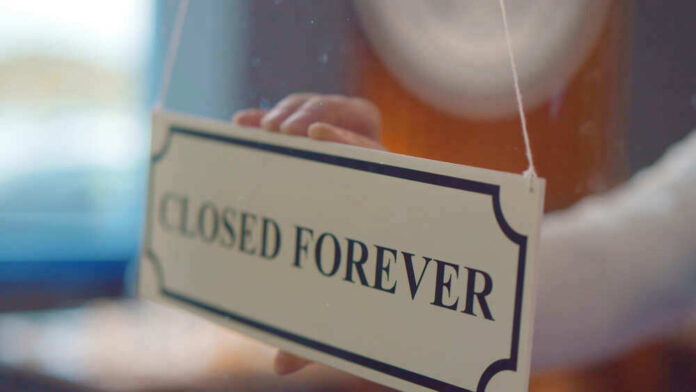
Jack in the Box’s wave of restaurant closures exposes how years of Biden-era inflation and fiscal mismanagement crushed family-owned franchises and everyday American diners.
Story Snapshot
- Jack in the Box closed 72 underperforming stores in 2025, short of its 80-120 year-end target under a cost-cutting plan.
- Company reports $80.7 million net loss for fiscal year ending September 2025 amid 7.4% sales drop.
- CEO Lance Tucker pursues simplified, asset-light model by shuttering stores, selling Del Taco, and reducing debt.
- Franchise operates 2,200 U.S. locations, mostly in California, Texas, Arizona, facing fewer customers and rising beef costs.
Closures Fall Short of Aggressive Targets
Jack in the Box executed a block closure program in 2025, shuttering 72 underperforming restaurants by late November. The chain targeted 80 to 120 closures by year-end and 150 to 200 by 2026 to eliminate drags on profitability.
May reports confirmed 12 closures, August added 13 more, and November earnings revealed 47 additional sites closed. With one week remaining in 2025, the company races to meet its goal amid persistent financial pressures.
Jack in the Box shut down more than 70 stores, expecting more to close amid financial struggle https://t.co/WCOKuN2jYR pic.twitter.com/4K6tXnVzUR
— New York Post (@nypost) December 25, 2025
Financial Losses Mount from Declining Sales
Jack in the Box posted a net loss of $80.7 million for the fiscal year ending September 2025. Fourth-quarter sales plunged 7.4% year-over-year, the second straight quarter with over 7% decline.
Fewer customers visited stores while rising beef prices squeezed margins. The franchise carries debt exceeding its annual earnings, forcing aggressive restructuring to restore viability for its 2,200 U.S. locations concentrated in California, Texas, and Arizona.
CEO’s Turnaround Strategy Targets Debt and Simplicity
CEO Lance Tucker, speaking in April 2025, outlined a streamlined business model to maximize shareholder returns. Actions prioritize balance sheet repair through debt reduction while investing in technology and restaurant upgrades.
Closing underperforming units aims for consistent growth and better economics. Tucker emphasized returning to simplicity in operations and investor communications to revive the brand after years of overexpansion and economic headwinds.
This week, Jack in the Box sold Del Taco to Yadav Enterprises for $119 million, shedding non-core assets to fuel its turnaround. The divestiture provides cash for debt paydown and positions the core hamburger chain for recovery. Such moves reflect broader industry shifts as franchises adapt to post-Biden inflation and consumer pullback from high prices.
Broader Implications for American Franchises
Jack in the Box’s struggles highlight vulnerabilities in the fast-food sector under prior administration policies that fueled inflation through overspending. Families and small investors tied to these brands face uncertainty as closures eliminate local jobs and dining options.
President Trump’s pro-business agenda promises relief via tax cuts and deregulation, contrasting the fiscal mismanagement that burdened companies like this with unsustainable costs and eroded purchasing power.