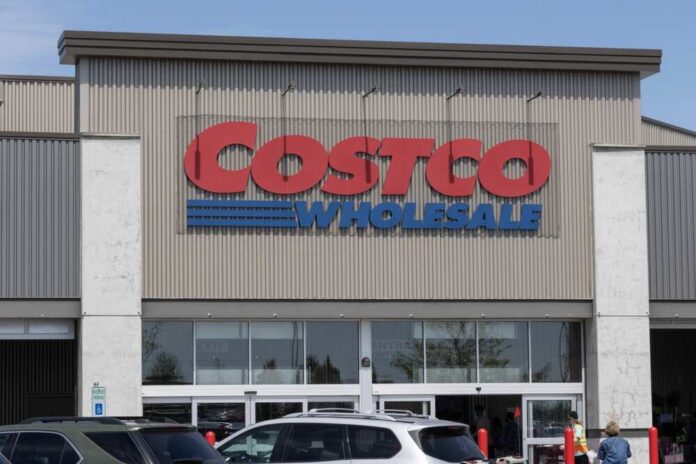
Costco isn’t expanding because it wants to grow; it’s expanding because its best stores can’t breathe.
Quick Take
- Costco says its goal is at least 30 new warehouses a year for the next five to ten years, roughly split between the U.S. and international markets.
- Overcrowding, long lines, and parking-lot gridlock are central drivers, not afterthoughts.
- Some existing locations reportedly produce $300 million to $400 million annually, a signal that capacity—not demand—is the bottleneck.
- The plan includes relocating and upgrading older warehouses, not just building shiny new ones.
- Sam’s Club and BJ’s expansion efforts raise the stakes in the warehouse-club arms race.
The overlooked reason Costco is building more warehouses: traffic management
Costco’s second-quarter earnings call delivered a simple but loaded message: the company wants at least 30 new warehouses a year, and it intends to keep that pace for years. The most revealing detail is where it plans to build.
Costco expects some new warehouses to open near existing high-traffic stores, a move that functions like adding a relief valve to an over-pressurized system. That is a congestion strategy as much as a growth strategy.
Costco plans major growth push, targeting 30 new locations annuallyhttps://t.co/VMSduhWCAw
— BREAKING NEWZ Alert (@MustReadNewz) April 21, 2026
Warehouse retail looks straightforward until you watch a packed Costco on a Saturday. The product selection stays tight, the margins stay disciplined, and the member value proposition stays consistent—but the physical building becomes the constraint.
Costco leadership has pointed to locations producing $300 million to $400 million in annual sales, a breathtaking number that also hints at strain: parking, checkout, food court lines, and even basic aisle navigation all degrade when a warehouse becomes “too successful.”
Why “30 a year” is aggressive even for Costco’s cautious culture
Costco has a reputation for measured change. The company spent decades refining a model built on limited SKUs, membership income, and steady operational habits. That’s why the cadence matters: opening roughly 30 warehouses annually across a decade-level horizon reads like an institutional decision, not a short-term flourish.
Prior company guidance also pointed to around 30 openings a year with an even U.S.-international split, suggesting Costco now sees conditions that justify executing that playbook at full throttle.
The 50-50 split between U.S. and international growth also signals something important for American members: Costco doesn’t have to squeeze every last penny out of U.S. households to hit growth targets. That can preserve the brand’s core promise—value without gimmicks—because it spreads growth pressure across markets.
That approach aligns with business instinct: expand where demand exists, keep the operating model intact, and avoid dramatic reinventions that often create unintended consequences.
Overcrowding is a business risk, not just an annoyance
Retailers love to talk about “traffic,” but Costco’s traffic comes with real costs. Congestion slows transactions, increases labor stress, raises the odds of inventory mishaps, and chips away at the member experience that justifies the annual fee.
Costco’s membership base reportedly sits around 70 million households, which turns small inconveniences into large-scale churn risk if the shopping trip becomes consistently frustrating. Opening nearby warehouses can redistribute trips, reduce peak-time chaos, and protect renewal rates.
Costco’s plan isn’t only to plant flags in new territory. It also includes relocating some warehouses, expanding buildings, and upgrading older interiors. That matters because older sites can become structurally mismatched to today’s volume, from undersized receiving areas to cramped entrances and dated checkout layouts.
Modernization is unglamorous, but it’s where efficiency lives. The common-sense reading: maintain the asset, improve throughput, and keep the machine running rather than chasing novelty.
The battleground: booming suburbs, big parcels, and rivals that finally woke up
Reports of 2026 activity point to more than 20 stores already in development across U.S. and international markets, with states like California and Texas leading specific location mentions.
That tracks with Costco’s long-running real estate logic: high-growth suburbs, large plots, easy car access, and enough room for the kind of parking lot that can handle peak surges. The company also continues building internationally, including markets such as Japan and Mexico, reinforcing that the model travels.
Competition sharpens this entire story. Sam’s Club and BJ’s have pushed expansion after quieter periods, and that changes Costco’s timing. Warehouse clubs are not boutique retailers; they win with convenience, scale, and habitual trips.
If a competitor becomes the nearest option to a new suburb, that competitor can lock in recurring behavior. Costco’s expansion push reads like a preemptive move to keep the closest-warehouse advantage, which is often the real driver of member loyalty.
What members should watch next: relief, not reinvention
Costco shoppers should not expect a philosophical makeover. The bigger storyline is whether new warehouses actually relieve the pressure points that frustrate members: parking snarls, checkout waits, and crowded aisles.
New locations placed near overperforming stores can make the whole network run smoother, like adding lanes to a highway where commuters already exist. If Costco executes well, the best outcome is almost boring: the same Costco, just less maddening to shop.
Costco plans major growth push, targeting 30 new locations annually https://t.co/cyHslGpHq2
— FOX Business (@FoxBusiness) April 21, 2026
The missing pieces are also the most practical ones: precise timelines for each opening, the capital intensity of relocations and upgrades, and how Costco prioritizes which congestion headaches get solved first.
Limited public detail exists on those specifics in the available reporting. Still, the strategic intent comes through clearly: defend the member experience, stay ahead of rivals, and keep growth grounded in demand rather than financial engineering. That’s a bet built on fundamentals.
Sources:
Costco plans major growth push, targeting 30 new locations annually
Costco plans to open 31 locations in 2024, Richard Galanti comments
Costco plans major growth push, targeting 30 new locations annually