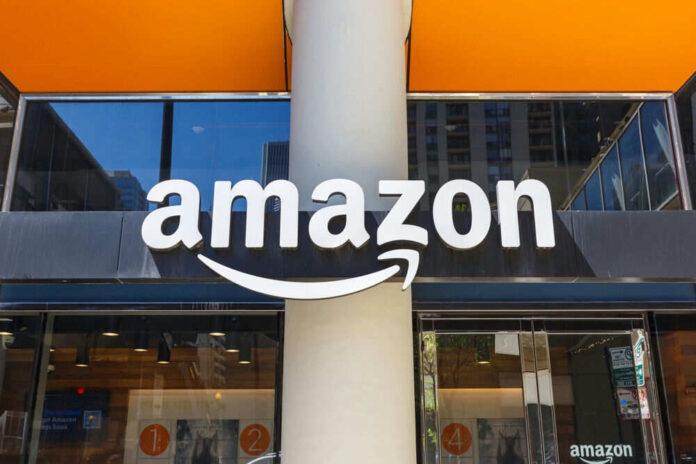
Amazon just delivered a knockout blow to millions of Americans who’ve been sharing Prime benefits with family and friends outside their homes, ending a 16-year program that helped working families stretch their hard-earned dollars.
Story Highlights
- Amazon terminates the Prime Invitee program on October 1, 2025, ending benefit sharing outside households.
- The 16-year-old program allowed Prime members to share free shipping with non-household family and friends.
- New Amazon Family restricts sharing to same-address residents only, mimicking Netflix’s controversial crackdown.
- The move comes as analysts predict Prime price hikes in 2026, adding financial pressure on American families.
Corporate Profit Over Family Values
Amazon’s decision to kill its Prime Invitee program represents another corporate giant prioritizing profits over the needs of American families. The program, which launched in 2009, allowed Prime members to extend free shipping benefits to people outside their household. This was particularly valuable for families with college students, elderly parents living separately, or military families spread across different locations. Amazon’s move follows the same playbook as Netflix and YouTube, companies that have abandoned customer-friendly policies in favor of squeezing every possible dollar from subscribers.
Amazon will restrict Prime benefit starting October 1
E-commerce giant ends 15-year-old Invitee program that let members share shipping benefits with non-household contactshttps://t.co/GLsvY27f9m— Right Wing Nest (@RightWingNest) September 3, 2025
The timing couldn’t be worse for families already struggling with inflation and economic uncertainty. Prime membership fees have already increased from $119 to $139 annually, representing a 17% hike that hit household budgets hard. Now Amazon is effectively forcing former invitees to either purchase their own $139 memberships or lose access to benefits they’ve relied on for years. This corporate greed masquerading as policy modernization shows how big tech companies view American consumers as nothing more than revenue streams to be maximized.
Amazon Family Program Falls Short of Replacing Lost Benefits
Amazon’s replacement program, Amazon Family, restricts benefit sharing to household members living at the same primary residential address. The program allows sharing between one adult and up to four children at the same location, but it completely eliminates the flexibility that made the original program valuable to extended families. This rigid definition of “household” ignores the reality of modern American family structures, where adult children, elderly parents, and military service members often maintain separate residences while remaining financially interdependent.
The corporate executives making these decisions clearly don’t understand how real American families operate. Many hardworking families strategically used the Prime Invitee program to help college students access textbooks and supplies, support elderly relatives with medication deliveries, or assist military family members stationed far from home. Amazon’s new policy treats these legitimate family support systems as profit leakage rather than the customer loyalty builders they actually represent. This tone-deaf approach reveals how disconnected Silicon Valley elites have become from the values and needs of middle-class America.
Industry Pattern of Squeezing Consumers
Amazon’s crackdown follows an increasingly familiar pattern among subscription-based services. Netflix sparked widespread outrage with its password-sharing restrictions, and YouTube followed suit with similar household-only policies. These companies built their subscriber bases by encouraging sharing and flexibility, then pulled the rug out from under loyal customers once they achieved market dominance. It’s a classic bait-and-switch strategy that would be illegal in many other industries, but big tech companies operate by their own rules.
Financial analysts from J.P. Morgan predict Amazon will likely raise Prime prices again in 2026, suggesting this benefit restriction is just the first step in a broader revenue extraction campaign. The company reported record sales during July’s Prime Day events, yet still felt compelled to eliminate customer benefits that cost them shipping revenue. This demonstrates the insatiable appetite for profit growth that drives corporate America’s largest companies, regardless of the impact on working families who made their success possible.
Economic Impact on American Households
The practical financial impact of Amazon’s decision extends far beyond the $139 annual membership fee. Families who lose Prime access will face higher shipping costs, slower delivery times, and reduced access to bulk purchasing options that help stretch household budgets. Former invitees who can’t afford their own Prime memberships may turn to competitors, but few offer the comprehensive logistics network that Amazon has built using decades of customer loyalty and tax advantages.
This policy change represents another example of how corporate consolidation ultimately hurts consumers. Amazon leveraged customer-friendly policies like the Prime Invitee program to eliminate competition and dominate e-commerce. Now that they’ve achieved market control, they’re systematically removing the benefits that attracted customers in the first place. It’s economic manipulation that would make robber barons proud, and it demonstrates why Americans increasingly distrust large corporations that prioritize shareholder returns over customer relationships.