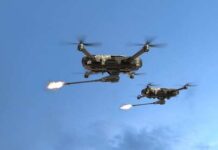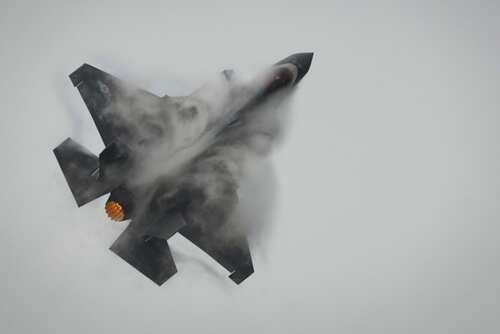
NATO fighter jets shot down a drone over Lithuania just after midnight, and the location choice tells a bigger story.
Story Snapshot
- Italian jets under NATO command downed an unauthorized drone over Lithuania.
- Intercept occurred near Pratkūnai after the drone entered from the Belarus direction, officials said.
- Alliance controllers in Germany coordinated the scramble and engagement.
- No injuries or damage were reported; debris analysis is underway.
What Happened And Where The Drone Fell
Lithuania’s national crisis center reported that a NATO fighter jet shot down a drone soon after midnight on September 15, 2026. Lithuanian President Gitanas Nausėda confirmed the downing.
The drone entered Lithuanian airspace without permission and was brought down near the village of Pratkūnai, not far from Kaunas.
The Lithuanian Armed Forces said the aircraft loitered before the intercept. No one was hurt, and no property damage was reported after the wreckage came down near the site.
Officials said the drone most likely crossed in from Belarus, though investigators have not issued a final origin finding. That route matters. It threads a narrow air corridor where small violations can cause large political ripples.
Lithuanian authorities moved fast because any unknown aircraft over central Lithuania poses risks to people on the ground and to civil aviation. Quick action also sends a message to those who might test the border again.
Who Scrambled And How NATO Ran The Play
Two Italian Air Force Eurofighter jets deployed to Šiauliai Air Base scrambled as part of NATO’s standing Air Defence mission. The operation ran through the alliance’s Combined Air Operations Centre in Uedem, Germany, which directs air policing across the region.
Italy’s Ministry of Defense said its crews intercepted the unmanned aircraft and neutralized it in line with alliance procedures. That phrasing signals standard rules of engagement, disciplined identification steps, and a clear shoot decision inside a firm command chain.
The Italian detachment’s response shows why rotational air policing exists in the Baltics. Small nations get rapid, high-end jets on call. Larger allies gain forward practice under real pressure.
The intercept also marks a first for the upgraded Baltic air defense mission, according to Estonia’s foreign minister, who said the Italian Eurofighters downed the drone near Pratkūnai. Firsts matter in defense because they force everyone to rehearse the next time even faster.
Why This Incident Matters Now
Reuters and others have tracked a rise in drone-related airspace breaches across the Baltic region since 2025, some tied to spillover from the Russia-Ukraine war and some to pressure tactics by Moscow.
Baltic leaders have asked allies to shift from basic air policing to fuller air defense with better sensors and faster engagement authority. This shootdown shows that step in practice: detect, decide, and act before a small drone becomes a big headline or a tragic blast.
Officials have not publicly identified the drone’s model or payload. That will follow debris study. But the chain of facts is clear enough: an unauthorized unmanned aircraft crossed a NATO border and stayed there long enough to draw fighters, warnings, and then weapons.
The alliance took the shot, landed the jets, recovered debris, and kept civilians safe. That is the job the taxpayers expect.
The Strategic Signal To Moscow And Minsk
Alliance leaders have warned that Russia’s behavior around the Baltics has grown more reckless, and that stunts at the edge can lead to accidents or worse. This intercept sets a clean line. If you send a drone into allied airspace, it may not come back.
1️⃣ Baltic & Nordic Defense || Euro Post Lunch News || 15 Sep Tuesday (1/10)
A Russian warship fired warning flares at a Danish military helicopter near the Baltic straits 🇩🇰🛸.
Simultaneously, Italian Eurofighter jets deployed under NATO command shot down an unauthorized drone…
— iVyasa (@ivyasaa) September 15, 2026
Future incidents will likely come. They may be strays, probes, or bait for propaganda clips. The right answer stays the same: strong sensors, ready jets, calm pilots, and clear authority to decide. Lithuania and its allies showed that package works.
If the debris points to Belarus or Russian control, expect sharper diplomacy. If it does not, the core lesson still stands. Borders matter, and the response must be swift and sure.
Sources:
ilfoglio.it, breakingdefense.com, reuters.com, wfmd.com, news.err.ee, euronews.com