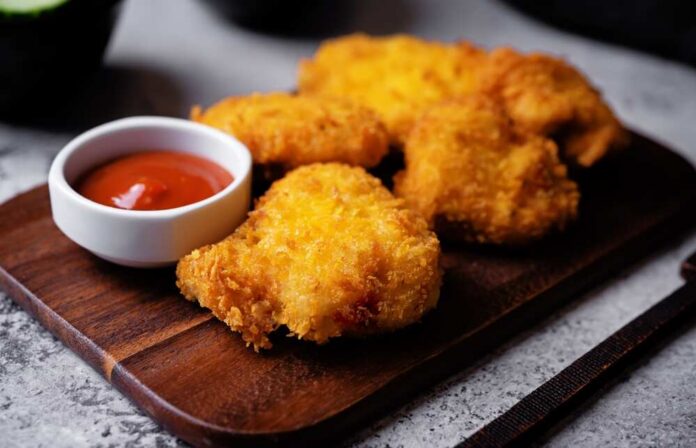
A federal judge just dismissed a frivolous lawsuit targeting Buffalo Wild Wings over “boneless wings,” delivering a much-needed dose of common sense to a legal system increasingly plagued by absurd class-action cash grabs that waste taxpayer resources and burden businesses with nonsensical claims.
Story Snapshot
- U.S. District Judge John Tharp Jr. dismissed a class-action lawsuit claiming Buffalo Wild Wings deceived consumers by calling chicken nuggets “boneless wings”
- The judge ruled that reasonable consumers understand food marketing terms like “boneless wings” are fanciful names, not literal descriptions, citing 20+ years of industry-standard usage
- Plaintiff Aimen Halim alleged consumer fraud under Illinois law, claiming he paid premium prices, thinking boneless wings were actual deboned chicken wings rather than breast meat nuggets
- The ruling reinforces that consumer fraud claims require proof that reasonable people would be deceived, not just that marketing language differs from literal interpretation
Judge Delivers Common-Sense Ruling Against Frivolous Claim
U.S. District Judge John Tharp Jr. dismissed the proposed class-action lawsuit, ruling that Chicago resident Aimen Halim failed to demonstrate Buffalo Wild Wings engaged in deceptive practices.
The judge determined that “boneless wings” is a fanciful marketing term that reasonable consumers would not interpret literally, comparing it to widely understood terms such as “chicken fingers” and “buffalo wings.”
Halim filed the lawsuit in 2023 through Los Angeles-based Treehouse Law, alleging violations of the Illinois Consumer Fraud and Deceptive Business Practices Act. The judge gave Halim until March 20, 2026, to file an amended complaint, though he expressed significant skepticism about the viability of any revised claims.
In a 10-page ruling, a U.S. District Judge in Illinois says Buffalo Wild Wings can continue to call its popular menu item “boneless wings,” even though they are “essentially chicken nuggets.” https://t.co/6NFjILWZIZ
— NBC News (@NBCNews) February 18, 2026
Lawsuit Exemplifies Growing Problem of Litigation Abuse
Halim’s lawsuit represents a troubling trend of opportunistic class-action litigation targeting businesses over long-established marketing practices. The plaintiff claimed he discovered that Buffalo Wild Wings’ boneless wings were actually chicken nuggets made from breast meat rather than deboned wing meat, alleging this constituted fraud and justifying damages for thousands of purported class members.
This type of lawsuit burdens businesses with legal costs and ties up court resources over terminology that has been industry-standard for over two decades.
The case underscores how trial lawyers increasingly exploit consumer protection laws to pursue settlements rather than address genuine consumer harm, a practice that ultimately drives up costs for businesses and consumers alike.
Reasonable Consumer Standard Protects Business Operations
Judge Tharp applied a “reasonable consumer” test, concluding that ordinary people understand food marketing operates within established conventions and metaphorical language.
The ruling emphasized that common sense suggests consumers would recognize that actual deboned wings would cost more than nuggets, indicating awareness of the product’s true nature.
The judge cited an Ohio Supreme Court precedent holding that diners eating “chicken fingers” do not expect actual fingers, reinforcing that marketing terms should be interpreted in light of industry conventions.
The decision also noted that Buffalo Wild Wings offers “cauliflower wings” on the same menu, demonstrating that consumers understand these terms describe preparation style rather than literal ingredients.
Ruling Establishes Important Precedent for Food Industry
The dismissal provides critical legal protection for restaurants using conventional menu terminology, establishing that established marketing terms backed by decades of industry practice do not constitute fraud. This precedent discourages similar frivolous lawsuits that threaten to impose impossible literalism standards on food labeling and marketing.
The ruling clarifies that consumer fraud claims must demonstrate actual deception of reasonable consumers, not merely semantic differences between marketing language and technical product descriptions.
For businesses struggling with regulatory overreach and litigation abuse, this decision represents a welcome application of common-sense judicial reasoning.
The food service industry can continue using familiar menu terminology without fear of baseless legal harassment, protecting both business operations and consumer choice.
Sources:
US Judge Tosses Buffalo Wild Wings Lawsuit That Has ‘No Meat on Its Bones’
Judge: Boneless Wings Suit vs. Buffalo Wild Wings Has No Legs
Federal Judge Rules Whether Buffalo Wild Wings Can Keep Boneless Wings on Menu
Judge Tosses Lawsuit Against Buffalo Wild Wings’ Boneless Wings
Judge Goes a Little Wild in Tossing Out Chicken Wing Case