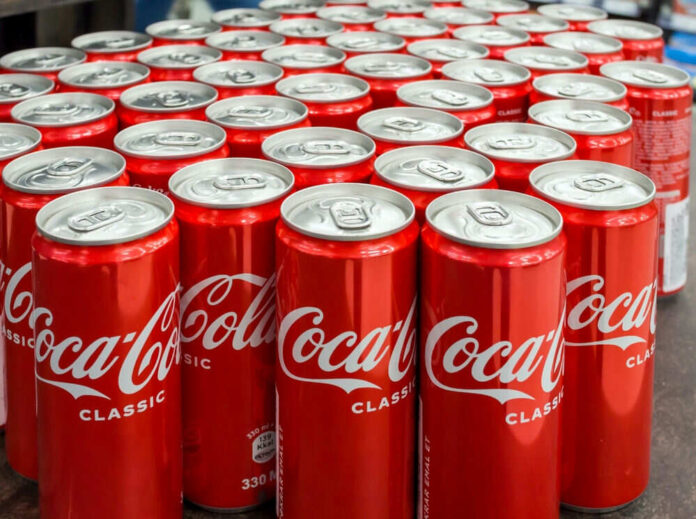
President Trump’s administration has empowered states to ban soda and junk food purchases with SNAP benefits, igniting fierce debate over government oversight and the future of public assistance.
Story Snapshot
- USDA approves waivers for 12 states to restrict SNAP purchases to healthier foods, excluding soda and candy.
- Policy marks a significant reversal, granting states unprecedented authority over federal nutrition aid.
- Supporters say the move protects taxpayer dollars and promotes public health, while critics warn of lost autonomy and increased stigma.
- Changes set to take effect in 2026, with implications for millions of SNAP recipients and the food industry.
Trump Administration Reshapes SNAP: States Gain Power to Restrict Junk Food
The Trump administration’s “Make America Healthy Again” campaign has delivered a seismic change in federal nutrition policy. On August 4, 2025, Agriculture Secretary Brooke Rollins, joined by Health and Human Services Secretary Robert F. Kennedy Jr., announced at the Great American Farmers Market that six additional states—West Virginia, Florida, Colorado, Louisiana, Oklahoma, and Texas—received federal waivers to restrict Supplemental Nutrition Assistance Program (SNAP) purchases to healthier foods. This follows earlier approvals for Arkansas, Idaho, Utah, Indiana, Iowa, and Nebraska, signaling a dramatic policy shift that empowers states to block SNAP spending on products like soda and candy.
For decades, SNAP (formerly food stamps) has allowed recipients to buy nearly any grocery item, with only a handful of exclusions. Critics of past policy argued that American taxpayers were subsidizing sugary drinks and junk food, fueling a national epidemic of obesity and chronic disease. Under previous administrations, state-level attempts to limit SNAP purchases by nutritional value were repeatedly blocked. The Trump administration’s reversal is being touted as a victory for federalism and common sense, giving states the authority to tailor public assistance to the needs of their citizens and to promote genuine public health outcomes.
States Lead Public Health Push, Backed by Trump White House
Secretary Rollins described the move as “promoting healthier options for families in need,” emphasizing that SNAP’s purpose is to provide nutrition, not to bankroll products that drive up healthcare costs and undermine family well-being. Governors of the newly approved states, including Greg Abbott of Texas and Kevin Stitt of Oklahoma, praised the administration’s action as overdue, calling it a responsible use of taxpayer funds. The waivers mark the first large-scale federal approval for states to restrict SNAP purchases based on nutritional value, with all twelve states expected to implement these changes by 2026. The Trump White House frames this bipartisan initiative as a partnership between federal and state governments, with the aim of reducing chronic disease and long-term healthcare spending.
The policy has also garnered support from public health advocates who point to links between sugary food consumption and rising rates of diabetes and obesity. Secretary Kennedy underscored that “taxpayer dollars should never bankroll products that fuel the chronic disease epidemic.” Retailers in approved states are preparing for changes to point-of-sale systems and inventory, while the food and beverage industry faces anticipated losses in the restricted categories.
Debate Over Autonomy, Stigma, and Government Overreach
While many conservatives celebrate the move as long overdue, critics warn that restricting SNAP purchases could reduce autonomy for low-income families and increase stigma associated with public assistance. Some nutritionists caution that unless healthy food options are widely accessible, the policy could inadvertently heighten food insecurity. Academic research suggests that while SNAP recipients buy unhealthy foods at rates similar to other Americans, targeted restrictions—if paired with nutrition education—can improve outcomes. Concerns persist about the administrative burden on retailers and the potential for confusion or fraud at checkout.
The new policy has reignited debate over the proper role of government in shaping personal choices and the design of welfare programs. Supporters argue that demanding accountability in federal nutrition aid upholds conservative values: fiscal responsibility, promotion of healthy families, and respect for states’ rights. Critics, including some advocacy groups, claim it represents government overreach and risks creating a paternalistic welfare state. The Trump administration and its allies maintain that protecting the integrity of SNAP is not only fiscally prudent but also essential to restoring public trust in government assistance programs.
Long-Term Impact and Precedent for Welfare Reform
With the waivers set to take effect in 2026, millions of SNAP recipients in twelve states will see reduced options for sugary and processed foods. The long-term hope is that these changes will drive down rates of diet-related chronic disease and ease the strain on public health budgets—objectives that resonate strongly with Trump supporters frustrated by past fiscal mismanagement and “woke” policy excesses. The move may also set a precedent for further reforms in federal assistance programs, reinforcing a principle that taxpayer-funded aid should reflect the nation’s values and priorities. While the full effects remain to be seen, the Trump administration’s SNAP overhaul marks a clear pivot toward greater state control, accountability, and a renewed focus on the health and strength of American families.
As other states consider following suit, the broader national debate over nutrition, government oversight, and individual liberty is only just beginning. Conservatives and reform-minded officials see the new policy as a blueprint for restoring common sense to public aid, while critics will likely challenge it in courts and in the public square. The outcome could shape not only the future of SNAP but the broader landscape of American welfare policy.
Sources:
Texas Governor’s Letter to USDA, May 14, 2025
Oklahoma Governor’s Statement, August 4, 2025