

Nearly a quarter of American households are living paycheck to paycheck in 2025, a stark reminder that despite promises of economic recovery, working families continue to struggle as inflation outpaces wage growth.
Quick Take
- 29% of lower-income households now live paycheck to paycheck, up from 27.1% in 2023.
- Inflation has rebounded to 3% annually, while lower-income wages grew only 1% in October.
- A widening wage gap reveals a “K-shaped economy” favoring higher earners over working families.
- The cost of essentials—housing, groceries, utilities—continues crushing household budgets.
- Job market cooling is suppressing wage growth for America’s most vulnerable workers.
The Inflation-Wage Squeeze Tightens
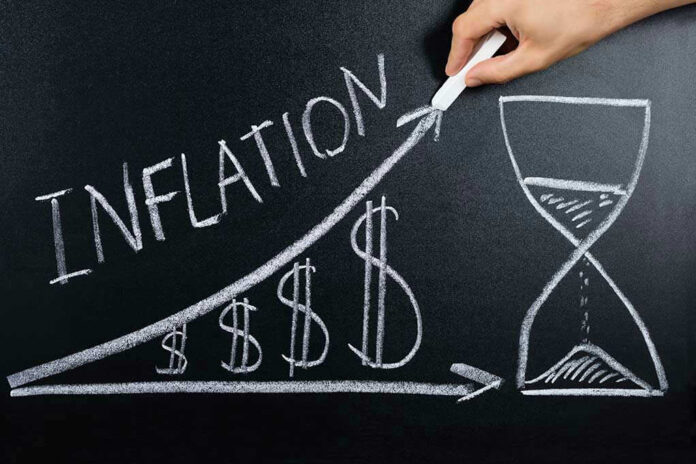
Lower-income Americans face a brutal arithmetic: inflation is climbing while their paychecks stagnate. In October 2025, wages for lower-income households rose just 1% year-over-year, while inflation accelerated to 3% annually.
Bank of America Institute economist Joe Wadford explained the math plainly: when living costs jump 3% but wages rise only 1%, working families cannot keep up. This gap has widened consistently throughout 2025, forcing households to choose between rent, food, and utilities.
Essentials Consuming Nearly All Income
Bank of America defines paycheck-to-paycheck living as spending over 95% of household income on necessities: housing, gasoline, groceries, utility bills, and internet service. Nearly 29% of lower-income households now meet this definition, up from 27.1% in 2023.
For perspective, roughly one-quarter of all U.S. households—across income levels—live this way. These families have zero financial cushion for emergencies, medical expenses, or unexpected job loss. They exist in perpetual economic fragility.
A Tale of Two Economies
The divergence between income groups reveals what economists call a “K-shaped economy.” Higher-income households, buoyed by stronger wage growth, absorb inflation’s impact relatively easily.
Middle and upper-income millennial households saw wages grow five percentage points faster than their lower-income peers over the past 12 months.
Meanwhile, lower-wage workers—who experienced solid gains during the pandemic recovery—have seen wage growth collapse since late 2022. This bifurcation leaves working families behind while affluent Americans prosper.
Job Market Cooling Suppresses Worker Bargaining Power
Declining job openings and reduced worker mobility explain slowing wage growth, according to Economic Policy Institute senior economist Elise Gould. When workers stop seeking better opportunities or changing jobs, employers face less pressure to raise wages competitively.
This cooling labor market particularly harms lower-income workers who depend on job-switching for raises. The result: stagnant paychecks for those who can least afford it, while inflation accelerates unchecked.
The Hidden Pain Below the Data
Bank of America’s analysis, drawn from depositor data, likely understates the crisis. Many low-income Americans remain unbanked, meaning their financial distress goes unmeasured in official statistics.
The true scope of household economic strain may be significantly worse than reported figures suggest. Conservative policymakers should recognize that working families—your base—are genuinely hurting despite administration claims of economic success.