President Trump’s White House declined to offer public condolences following former Vice President Dick Cheney’s death, highlighting the deep political divide that defined their relationship until the end.
Story Highlights
- White House offers no condolences for Dick Cheney’s death, only follows legal flag requirements.
- The Trump-Cheney feud intensified after Liz Cheney participated in the January 6th committee.
- Both Cheneys endorsed Kamala Harris, calling Trump the greatest threat in American history.
- Press secretary confirms no White House involvement in funeral planning or arrangements.
White House Response Limited to Legal Requirements
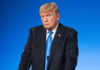
White House Press Secretary Karoline Leavitt confirmed Tuesday that President Trump had not issued public condolences following Dick Cheney’s death on Monday, November 3, 2025, at age 84.
When pressed about funeral arrangements and potential presidential involvement, Leavitt stated the White House was not involved in planning and had only lowered flags to half-staff because federal law mandates it. The US Flag Code requires this honor for former vice presidents from death until interment.
https://x.com/nypost/status/1985789937279492568
Political Betrayal Fuels Presidential Silence
The absence of customary presidential condolences reflects years of escalating tensions between Trump and the Cheney family.
Dick Cheney’s endorsement of Kamala Harris during the 2024 election marked an unprecedented political betrayal, with the former vice president declaring Trump “the greatest threat to our republic” in the nation’s 248-year history.
This rejection of conservative unity in favor of supporting a Democrat candidate represents exactly the kind of establishment Republican betrayal that frustrates Trump’s base.
Liz Cheney’s January 6th Role Deepened Family Rift
The Trump-Cheney conflict intensified when former Representative Liz Cheney served as the top Republican on the House select committee investigating January 6th. Her participation in what many conservatives viewed as a partisan witch hunt against Trump solidified the family’s break with the America First movement.
Dick Cheney’s subsequent claim that Trump “tried to steal the last election using lies and violence” echoed Democrat talking points rather than defending constitutional election integrity concerns raised by millions of Americans.
Presidential Restraint Reflects Conservative Principles
Trump’s measured response demonstrates presidential restraint toward those who actively worked against his administration and conservative agenda. While respecting legal protocols by lowering flags, the president avoided hypocritical platitudes toward someone who spent years undermining his presidency.
This honest approach resonates with conservatives tired of Washington’s fake civility that masks deep ideological battles. The Cheney family’s transformation from conservative stalwarts to Harris endorsers illustrates how the establishment’s rejection of populist conservatism has fractured traditional Republican unity.