

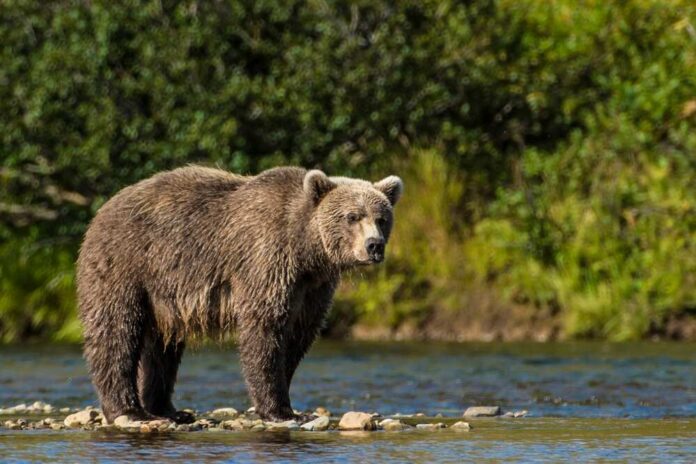
A black bear pushed into a Durango bedroom and a second bear bit a camper’s arm near South Fork—both in one Colorado weekend.
Story Snapshot
- Colorado Parks and Wildlife reported two confirmed bear attacks over the weekend.
- A woman in a tent near South Fork suffered a puncture wound to her arm.
- A 17-year-old in Durango was scratched after a bear entered through a window.
- Officials say this year’s confirmed attacks have reached a record tally.
Two Overnight Encounters, Same Weekend
Colorado Parks and Wildlife said two separate bear attacks occurred within days. The first happened at Park Creek Campground in the Rio Grande National Forest near South Fork. A woman sleeping in a tent was bitten on the arm and treated at a hospital for a puncture wound.
The second took place in Durango early Sunday when a bear ripped a window screen, climbed inside a bedroom, and swiped a sleeping 17-year-old, leaving scratches and bruising. Both victims survived with non-life-threatening injuries.
Wildlife officers found damage on the tent wall that matched a bite from outside the fabric, which supports the account of contact through the tent. Colorado Parks and Wildlife said officers did not immediately capture either bear, and they continued to search and monitor the area.
The Durango encounter occurred around 2 a.m. at a condo on Escalante Drive, according to local summaries. The teen reported the bear fully opened the cracked window before entering.
Record Year Puts Communities On Edge
State officials have described a record pace of confirmed bear attacks this year. Local coverage citing Colorado Parks and Wildlife reports that the tally reached ten, the most on record to date.
The agency has documented a years-long rise in bear conflicts as development expands into bear habitat and natural foods swing with drought and wildfire seasons.
More reports do not mean bears have turned “bloodthirsty.” It means more bears and more people are crossing paths in places that smell like dinner.
Fall hunger drives the timing. Bears enter a feeding surge before winter and will test weak points in human spaces to reach calories fast. A cracked condo window can be an easy path to a kitchen or a bedroom. A tent wall offers no barrier if a bear smells snacks or scented items inside.
When homeowners and campers remove attractants, most bears move on. When food rewards persist, bears repeat the behavior until an officer or a property owner stops them—sometimes with lethal outcomes for the animal.
What These Cases Tell Us About Risk
The South Fork bite through tent fabric fits a common pattern: a bear works the perimeter, then makes contact when it senses food or smells. Officers reported puncture wounds and tent damage that align with a bite, which is why state officials called it an attack.
The Durango case shows a different pattern: indoor food smells, an openable window, and a bear that has learned to push into human spaces. The teen’s injuries—three scratches and bruising—are serious but limited, a reminder that most black bear encounters do not become maulings.
2 injured as bear attacks reach record high in Colorado amid drought pic.twitter.com/j4sxCGUAY9
— Daily Camera (@dailycamera) September 16, 2026
These two events also line up with the broader surge in conflict calls statewide. Colorado Parks and Wildlife reported thousands of bear sightings and conflicts in recent years and warns the trend is climbing.
The agency links this to more people living, camping, and recreating in bear country, plus years when berries, acorns, and other foods run thin.
Practical Takeaways For Campers And Homeowners
Secure the easy targets. Close and latch ground-floor windows at night, especially near kitchens or bedrooms. Scent travels. Clean grills, lock up pet food, and store trash in bear-resistant containers.
While camping, cook and eat away from tents, store food in bear canisters or vehicles, and never sleep with snacks or toiletries. Carry bear spray and keep it handy. These aren’t overreactions; they’re small habits that break the cycle before a hungry bear tests your screen or your tent wall.
Sources:
abcnews.com, youtube.com, cpw.state.co.us, denvergazette.com, kspk.com, koat.com