

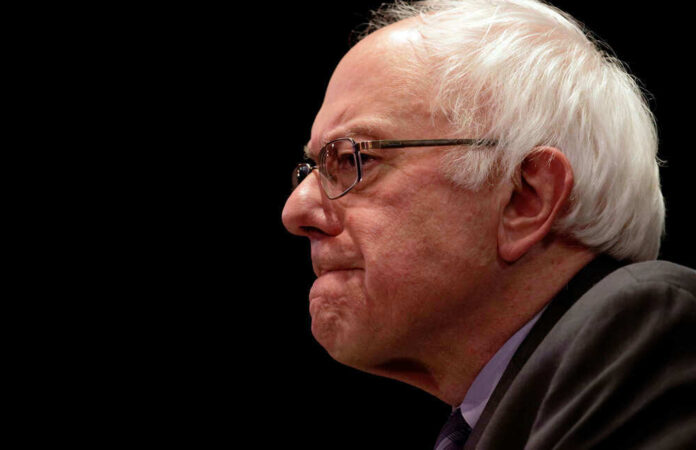
Bernie Sanders says he won’t back Chuck Schumer to keep leading Senate Democrats, setting up a huge leadership fight.
Quick Take
- Democrats won control of both the House and Senate in the 2026 midterms, according to Sanders’s own post-election remarks
- Sanders says he won’t support Chuck Schumer to stay on as Senate Democratic leader
- Schumer told reporters he expects to be reelected leader despite the pushback
- Senate Democrats won’t actually vote on new leadership until next month, so nothing is settled yet
Sanders Claims Credit For A Historic Midterm Sweep
Sanders didn’t waste time celebrating. At a post-election address, he told supporters that with Democrats now controlling both the Senate and the House, the party could finally “hold Donald Trump accountable.” He congratulated winning candidates by name, framing the night as proof voters wanted a fight, not more of the same from Washington leadership.
BREAKING: Senator Bernie Sanders will NOT support Chuck Schumer as the Senate’s next Majority Leader.
“This election was about change. People want new leadership here in the Senate, so I will not be supporting Chuck,” said Senator Sanders. pic.twitter.com/v8eaXaXqsK
— Keith Edwards (@keithedwards) November 10, 2026
That part of the story is simple. Democrats did flip both chambers, a real and countable result nobody disputes. But Sanders didn’t stop at praising the party’s win. He turned the same breath into a personal demand, telling reporters flatly that “the time is now for change,” and that he would not support Senate Minority Leader Chuck Schumer for another term running the caucus.
A Different Kind Of Victory: The Fight Over Who Leads Senate Democrats
Here’s where “he won” gets complicated. Winning House and Senate seats is one thing. Winning control of who leads the Senate Democratic Caucus is an entirely separate contest, decided not by voters but by sitting senators behind closed doors. Sanders has not won that vote. Nobody has, because it hasn’t happened yet.
Some incoming senators did echo his frustration. Reports noted several newly elected Democrats voiced support for fresh leadership, giving Sanders real momentum inside the party. Senator Elissa Slotkin said she too wanted “a new generation of leadership,” though she notably stopped short of promising to vote against Schumer, showing the revolt is louder than it is unified.
Schumer Pushes Back, Setting Up A December Showdown
Schumer isn’t stepping aside quietly. He told reporters, “I’ll be reelected as majority leader,” projecting confidence even as the pressure campaign built around him. That’s a direct, on-record rebuttal to any suggestion the leadership fight is already decided. Only one Democrat, Senator Chris Van Hollen, has even floated a direct challenge, and neither Sanders nor Slotkin endorsed him, leaving the opposition without a clear candidate to rally behind.
The timeline matters here. Senate Democrats aren’t scheduled to hold their secret-ballot leadership election until next month, meaning Sanders made his declaration before any vote was cast. That’s a crucial detail conservatives should notice: declaring victory ahead of the actual contest is a well-worn political tactic, designed to pressure colleagues before they’ve had a chance to vote their own conscience.
None of this erases the real headline. Democrats did win the midterms, and that result stands on its own regardless of how the Schumer fight ends. But stretching an election win into a personal leadership mandate is a stretch Sanders hasn’t earned yet, and Schumer’s public confidence suggests the caucus isn’t ready to hand it to him either.
What Winning Actually Means In Senate Politics
Senate party leadership has never worked like a national election. The position grew out of informal caucus arrangements in the late 1800s, and to this day every new Congress elects its leaders through internal conference votes, not public ballots. That history is a useful reminder: a party can sweep an election and still argue fiercely, privately, over who actually runs the show once the votes are counted.
That’s exactly the tension playing out now. Sanders can rightly claim Democrats won in November. Whether he personally “won” anything beyond that depends entirely on a vote that hasn’t happened. Until Senate Democrats actually cast their secret ballots next month, calling this a finished leadership victory gets ahead of the facts, not behind them.
Sources:
cbsnews.com, apnews.com, singjupost.com, spectrumlocalnews.com