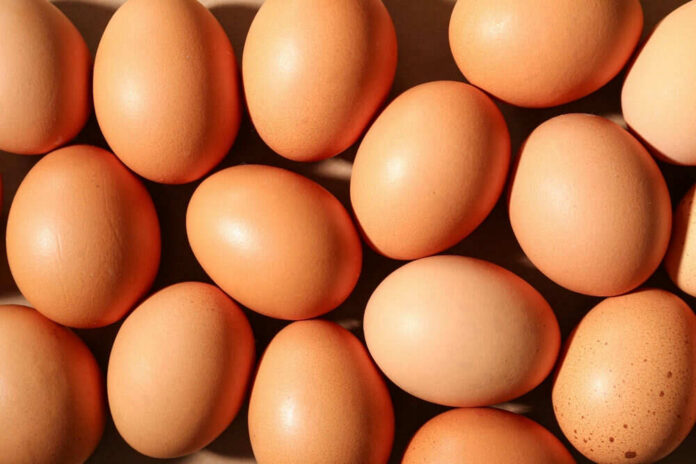
California health officials linked a Salmonella outbreak to specific lots of Happy Hens organic shell eggs and told the public to stop eating them immediately.
Story Snapshot
- Twenty-three people in California got sick; seven were hospitalized; no deaths reported.
- The recall covers named lots with clear sell-by dates: 223 (Sept. 10), 226 (Sept. 13), 237 (Sept. 24).
- Federal testing found Salmonella Enteritidis at the farm; the strain matched patient samples, officials said.
- County investigators tied raw-egg mayonnaise at a local market to several cases.
What Officials Said And Why It Mattered Fast
The California Department of Public Health said Happy Hens voluntarily recalled certain organic shell eggs after investigators connected 23 illnesses across the state to the products, including seven hospitalizations and no deaths.
The agency’s warning told people not to eat, serve, or sell the recalled eggs, and to discard or return them. That simple step prevents more cases, which often appear in waves as sick people show up days after exposure because Salmonella can incubate for a while.
The recall named three product lots with sell-by dates that many shoppers still recognize on their cartons: lot 223 with a sell-by of September 10, lot 226 with September 13, and lot 237 with September 24. That level of detail narrows the action to known risk.
It also gives stores and restaurants a clear flag to pull stock. Consumers want bright lines in a crisis. These dates and lot numbers gave them exactly that.
Eggs recalled as salmonella outbreak sickens 23 people https://t.co/4YIxeCzddl
— FOX Business (@FoxBusiness) September 17, 2026
How Investigators Built The Link
State and federal teams followed a familiar playbook. Case interviews found where people ate and what they ate. Traceback pointed to eggs. Federal inspection samples from poultry housing at the farm tested positive for Salmonella Enteritidis.
Genetic analysis then matched the strain found in sick people, which is the gold standard for tying an environmental source to human cases. That three-part chain—interviews, traceback, lab match—drives recalls before the next family gets hit.
Local work in San Diego County added a key detail. Investigators said unpasteurized Happy Hens eggs were used to make mayonnaise at Ramona Family Naturals Market.
Several sick people had eaten foods tied to that product. That matters because raw-egg sauces do not get cooked, so bacteria survive and spread fast. One mixing bowl can turn a busy lunch rush into a cluster of sick customers.
Timing Shows A Sustained Outbreak Pattern
Officials reported that illness onsets ranged from June 21 through August 16, 2026, which shows a steady chain of exposure over weeks rather than a one-day blip. This kind of curve fits a food item that keeps moving through stores and kitchens until a recall stops it.
The mid-September alert came while the outbreak was still active, which is when warnings do the most good: they interrupt the chain before more hospital beds fill.
The state’s direction was plain: do not eat these eggs; toss them or take them back. That message sounds blunt because it should.
A refrigerator door is not a lab. If your carton matches the lot and date, you do not debate it; you dump it. That is common sense and an approach to risk at home—protect the family first, then sort out the receipt later.
Context From Other Egg Outbreaks
Egg recalls tied to Salmonella are not rare outliers; they are the known hazard in a food system that runs on trust and time.
Federal outbreak pages from recent years show the same pattern: people get sick, eggs test positive, and companies recall product to protect the public. That cycle is not a sign of panic. It is proof that the system can move when evidence converges.
California warned consumers to avoid Happy Hens eggs after a salmonella outbreak: The California Department of Public Health issued a recall notice for Happy Hens brand organic shell eggs over possible salmonella contamination https://t.co/uGylknguR4 pic.twitter.com/ke9xfvypyM
— Quartz (@qz) September 14, 2026
Food science backs up the caution on raw and undercooked eggs. Reviews show eggs and egg-based foods are regular vehicles for Salmonella. Pasteurized eggs or fully cooked dishes lower that risk.
That is why classic raw-egg items—house mayonnaise, aioli, some dressings—need pasteurized eggs in commercial kitchens. Home cooks should follow the same rule for kids, older adults, and anyone with a weak immune system.
What To Do Now
Check your fridge for Happy Hens organic shell eggs and match the lot and sell-by dates. If they match, do not eat them. Return or discard them. Clean any surfaces the eggs touched with hot, soapy water. Wash hands well.
If you ate the recalled eggs and have fever, cramps, or diarrhea, call your doctor. Most people recover without treatment, but dehydration can land people in the hospital, especially children and older adults.
One fair note: the farm owner questioned how agencies reached their results and said she was asked to issue a voluntary recall. That pushback happens in many outbreaks, but the lab match and the state’s case data carry real weight.
When evidence lines up, swift recalls honor both public health and personal responsibility. Better to pull suspect cartons today than explain a preventable hospital stay tomorrow.
Sources:
foxbusiness.com, desertsun.com, health.com, geo.tv, nbcsandiego.com, marlerblog.com, fda.gov, researchportal.ukhsa.gov.uk