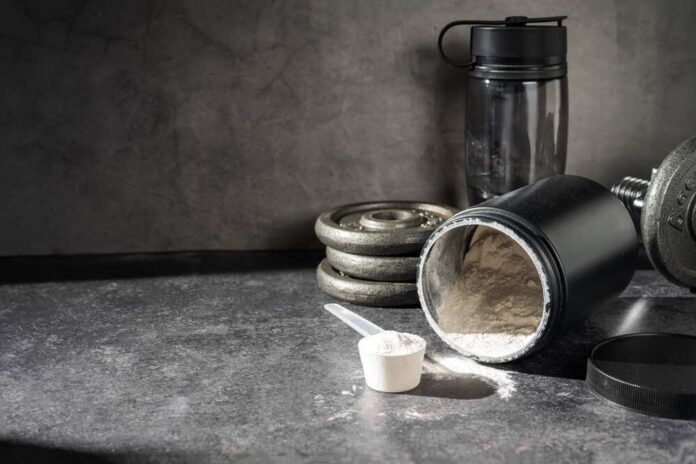
A shocking new study reveals that nearly half of America’s most popular protein powders contain dangerous levels of lead and other heavy metals, with the worst offenders being the very products marketed as “healthy,” organic, and plant-based options.
Story Highlights
- 47% of 160 tested protein powders exceeded safety limits for heavy metals, including lead, cadmium, and arsenic.
- Plant-based, organic, and chocolate-flavored varieties showed the highest contamination levels.
- The $9.7 billion supplement industry operates with minimal federal oversight compared to the pharmaceutical industry.
- Industry groups are disputing the findings while health experts warn that no level of lead exposure is safe.
Widespread Contamination Exposed in Major Study
The Clean Label Project’s comprehensive analysis of 160 protein powder products from 70 top-selling brands revealed alarming contamination rates across 83% of the market. The study generated 35,862 data points and found that 47% of tested products exceeded California’s Proposition 65 safety guidelines for heavy metals.
Lead contamination proved most prevalent, followed by cadmium, arsenic, and mercury. These toxic substances pose serious health risks, particularly for vulnerable populations, including pregnant women and children who regularly consume these supplements.
Organic and Plant-Based Products Show Highest Toxin Levels
The study’s most troubling finding centers on products specifically marketed as healthy alternatives. Organic, plant-based, and chocolate-flavored protein powders consistently showed higher heavy metal concentrations than conventional animal-based products.
This contamination occurs because plants naturally absorb heavy metals from soil, with industrial pollution and certain agricultural practices exacerbating the problem. The irony is stark: consumers paying premium prices for supposedly healthier options are actually exposing themselves to greater toxic risks than those choosing standard whey-based alternatives.
Some protein powders and shakes contain unsafe levels of lead, according to a Consumer Reports investigation that analyzed 23 dairy, beef and plant-based protein supplements. https://t.co/2ObU1RZLcW
— CBS News (@CBSNews) October 14, 2025
Regulatory Gaps Leave Consumers Vulnerable
The supplement industry operates under far less stringent oversight than pharmaceuticals or conventional foods, creating a regulatory blind spot that manufacturers exploit.
While the FDA maintains that no level of lead exposure is safe, especially for vulnerable populations, federal agencies lack the resources and authority to conduct comprehensive testing of dietary supplements.
California’s Proposition 65 provides stricter safety standards than federal guidelines, but the supplement industry argues these benchmarks are unnecessarily harsh and not representative of actual health risks from typical consumption levels.
The Council for Responsible Nutrition has criticized the Clean Label Project’s methodology, questioning the use of Proposition 65 standards as universal safety benchmarks. However, environmental and food safety experts emphasize that chronic exposure to heavy metals can cause neurological damage, kidney problems, and developmental issues.
The industry’s defensive response highlights the tension between profit motives and consumer safety, particularly when manufacturers market contaminated products as health-promoting alternatives to conventional options.
Market Impact and Consumer Protection Concerns
This revelation threatens the $9.7 billion protein supplement market and exposes the failure of industry self-regulation. The Clean Label Project noted some improvement in packaging-related toxins since their 2018 report, but heavy metal contamination remains widespread and largely unaddressed.
Consumers who trusted organic and plant-based labels as indicators of safety now face the reality that these premium products may pose greater health risks than conventional alternatives.
The study serves as a wake-up call for stricter federal oversight and mandatory third-party testing of dietary supplements. Without immediate regulatory action and industry accountability, millions of Americans seeking to improve their health through protein supplementation continue consuming products that may undermine their well-being.
The time has come for comprehensive reform that prioritizes consumer safety over industry profits and marketing claims.
Sources:
Protein Powder Organic Plant Based – Newsmax Health News
Protein Powder Lead Heavy Metals – Axios
Protein Powder Harmful Metals – WebMD Diet News
Protein Powder Cancer Lead Cadmium Toxins – Fortune Well
Uber Popular Protein Powders May Contain Alarming Amounts of Lead and Cadmium – Salon