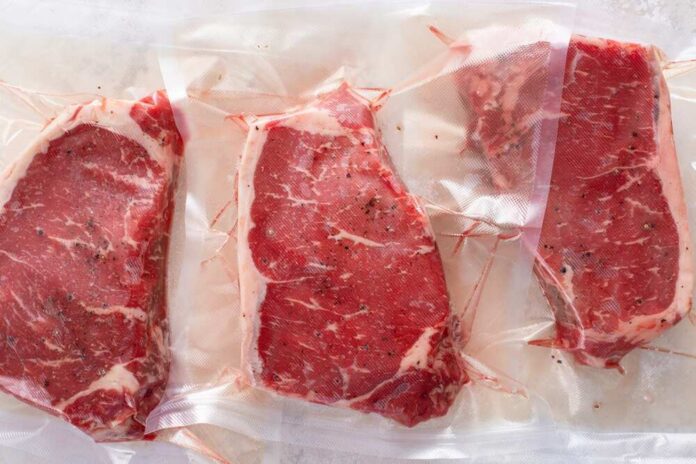
Trump’s new Argentine beef import quota is being sold as grocery relief, but experts say the numbers are so small that most families may never see meaningful savings at the checkout line.
Quick Take
- The White House expanded 2026 imports of Argentine lean beef trimmings by 80,000 metric tons, starting February 13, to address high ground-beef prices.
- Multiple economists and cattle groups say the added volume is less than 1% of the U.S. beef supply—too small to noticeably lower consumer prices.
- The order is limited to lean trimmings for ground beef and applies only to 2026, with no rollover.
- Producer groups warn the policy could pressure U.S. rancher prices and raise concerns tied to Argentina’s animal-disease history.
What Trump Signed, and What Actually Changes in 2026
President Donald Trump signed an executive order on February 6, 2026, expanding the tariff-rate quota for Argentine lean beef trimmings by 80,000 metric tons for 2026.
The increase is structured as 20,000 metric tons per quarter and is set to begin February 13. The additional access stacks on top of Argentina’s existing quota, bringing the total potential access to 100,000 metric tons for the year.
More Argentina beef imports won't do much to ease costs for consumers, according to experts https://t.co/Lyy8AyL5Od
— CBSColorado (@CBSNewsColorado) February 10, 2026
The policy is narrowly aimed at lean trimmings used in ground beef rather than higher-value “primal” cuts consumers might buy as steaks or roasts. That distinction matters because it limits where the supply can flow and how much it can reshape retail pricing.
The measure is also explicitly temporary—effective for 2026 only—which means it does not resolve the underlying supply problem created by America’s shrinking cattle herd.
Why Experts Doubt Shoppers Will See Real Price Relief
Economists and industry analysts quoted across multiple outlets argue that the additional imports are too small to affect national prices. Several estimates put the quota increase at less than 1% of the total U.S. beef supply, a rounding error in a market shaped by herd size, feed costs, and processing constraints.
Some experts warn that a marginal supply bump may be absorbed by processors and large food companies rather than passed through as lower retail prices.
Recent pricing pressures are tied to longer-term structural issues, not a short-lived import adjustment. U.S. cattle inventories have fallen for years, with reports citing an 8.6% decline since 2020, while demand has remained steady.
Beef production was about 27 billion pounds in 2024, even as imports climbed, underscoring how tight the market has become. Analysts describing the fix as “herd rebuilding” point out that expanding supply takes time—measured in years, not quarters.
Rancher Pushback: Consumer Messaging vs. Producer Reality
Major cattle organizations have not embraced the claim that more imports will help typical households. The National Cattlemen’s Beef Association has pushed back on the idea that imports lower consumer prices and has raised concerns about Argentina’s animal-disease history, arguing that safeguards such as audits and inspections are important when expanding access.
R-CALF USA has called the move the “wrong approach,” warning that the most immediate effect could be downward pressure on cattle prices paid to U.S. producers.
Local and regional voices have echoed a similar theme: the import share is already under 10% of total supply in many discussions, so tweaking one source is unlikely to make ground beef cheap again.
Some producers say government “interference” in supply decisions can distort markets in ways that hurt ranch families first. At the same time, a few stakeholders acknowledge that reciprocal access for U.S. exports to Argentina could partially balance the trade picture, even if it doesn’t fix retail inflation.
Trade-Offs: Limited Government vs. Short-Term Market Intervention
The White House framed the order as an affordability measure, and it is easy to see why the politics are tempting, given that ground beef prices have been reported at around $6.69 per pound.
But the public debate is now colliding with a hard constraint: a temporary quota increase cannot rebuild an American herd. If imports mainly help stabilize supply for large buyers while leaving retail prices largely intact, frustration will likely shift from “inflation” to “who actually benefited.”
The most defensible conclusion from the available reporting is also the least flashy: the quota may modestly increase trimming supply, but it is not a true solution to high beef prices.
Long-run relief depends on herd recovery and a policy environment that supports domestic producers without creating new risks. Because the sources emphasize uncertainty about pass-through savings, consumers should treat “lower prices” as a goal the order gestures toward, not a guarantee.
Sources:
https://farmpolicynews.illinois.edu/2026/02/u-s-to-quadruple-beef-imports-from-argentina/
https://www.northernag.net/ag-groups-issue-statements-on-argentine-beef-imports/
https://www.foxbusiness.com/economy/beef-prices-focus-trump-signs-order-aimed-consumer-relief
https://www.cbsnews.com/news/trump-beef-trade-argentina-executive-order/
https://www.beefmagazine.com/policy/trump-quadruples-argentina-beef-import-quota