
TSA has pulled chairs from airport ID-check stations nationwide and ordered officers to stand.
Story Highlights
- TSA confirmed chairs are removed at travel document podiums across the country.
- Agency says standing boosts alertness and traveler experience.
- Union says rollout is underway and warns about worker safety.
- Change targets officers who check IDs and boarding passes, not all posts.
What TSA Changed And Where It Applies
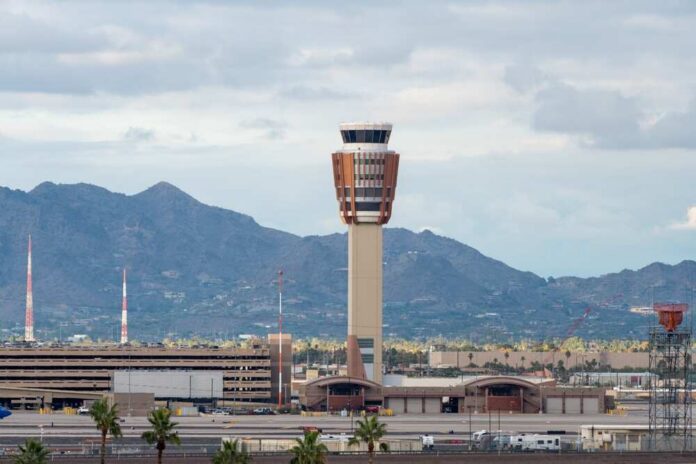
The Transportation Security Administration said officers who check identification and boarding passes at checkpoint entrances must stand, and chairs at those podiums are being removed nationwide. The agency tied the move to alertness, fitness for duty, and a more professional first contact with travelers.
Reports from multiple outlets describe the policy as focused on travel document checkers, rather than every workstation in the checkpoint lane. That scope matters for travelers who will notice the change at the podium where lines begin.
NEW: TSA confirms to @FoxNews that they are taking chairs away from TSA officers checking IDs/travel documents at security lines at airports in an effort to improve vigilance and hospitality by having officers stand and look passengers in the eye while interacting. A TSA… pic.twitter.com/V9F18bIaoz
— Bill Melugin (@BillMelugin_) September 29, 2026
The agency’s message is simple: the first face of security should look ready and engaged. TSA linked the stance to national security duties and to “hospitality,” the government word for a welcoming tone at an often tense moment.
From a management view, standing can signal vigilance without new gear or more staff. That visual cue is part of how security sets norms. People are more likely to follow rules when the guard looks alert. That is the bet TSA is making.
How Fast It Rolled Out And Who Pushed Back
The American Federation of Government Employees TSA Council 100, which represents screeners, said the change has already begun at most major airports. Union leaders described chairs being removed from podiums and warned that long hours on hard floors could harm workers.
Newsrooms echoed that timeline, citing moves underway “as of late last week” and a start across the country. The early rollout suggests a direct operational order, not a slow rules process, and explains why travelers may notice it right now.
The union’s view frames this as a workplace strain, not a security fix. It says officers stand and walk much of the day already and that chairs serve as basic safety support during repetitive tasks.
That claim mirrors common debates in security and retail jobs, where posture rules are sold as “professional” but can load more stress on feet, knees, and backs.
Occupational guidance in similar settings often points to anti-fatigue mats, foot rails, and task rotation to reduce harm during prolonged standing.
Security Posture Versus Worker Strain
TSA argues standing improves alertness. That matches how many police and military units think about bearing and readiness. At a checkpoint entrance, small cues matter: eye contact, tone, and pace.
A standing officer can move faster to stop a mismatch or wave a family through a side check. That fluid motion can shave seconds from each check and set a firmer tone for the line. Those are real gains, even if they are hard to score with a single metric.
The counterpoint is not about discipline; it is about durability. Long, fixed standing on concrete is a known risk factor for fatigue and musculoskeletal pain. The union says removing chairs without added supports ignores that risk.
The most pragmatic answer blends both aims: keep officers on their feet at the podium while adding floor mats, a leaning support, and short rotation breaks. That approach respects the security visual TSA wants and the human limits the line will reveal if ignored.
What Travelers Will Notice And What Comes Next
Travelers will see document checkers on their feet at the podium and may feel a crisper start to the line. Expect a bit more direct eye contact and quicker prompts to show identification and boarding passes. This is not a change to screening rules, carry-on limits, or how bins move.
It is a front-of-lane posture shift. If airports add fatigue mats or leaning rails, most passengers will not clock the detail. They will only sense that the officer looks ready and the line moves with purpose.
From a common-sense lens, TSA’s goal to project order at the first touchpoint is sound. The agency’s language about national security and fitness for duty hits the right notes for a public-facing guard post.
Still, wise leadership pairs higher standards with basic tools that help workers meet them. That is how you get consistency, not burnout. The best checkpoint is both firm and fair: clear eyes at the podium, steady feet on a safe surface, and a line that moves without drama.
Sources:
abcnews.com, usatoday.com, wftv.com, cnn.com, travelmarketreport.com