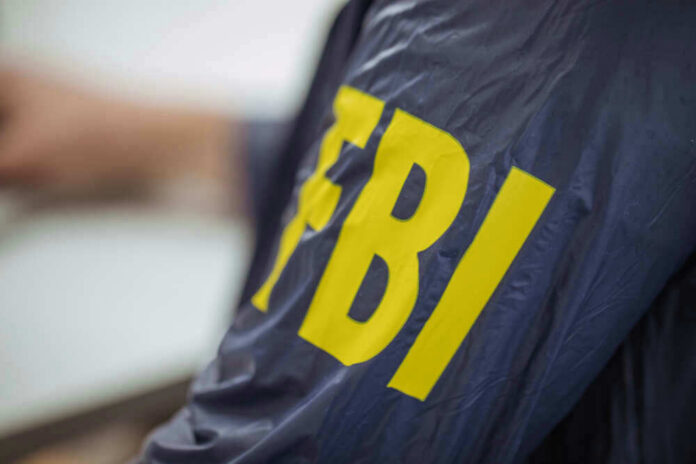
FBI Director Kash Patel vows legal action against media outlets over unverified alcohol abuse allegations sourced from anonymous FBI colleagues, raising questions about whether this represents another orchestrated attack on a Trump appointee determined to reform the bureau.
Story Snapshot
- Kash Patel threatens defamation lawsuit over claims he exhibits excessive drinking that disrupts FBI operations
- Allegations stem from anonymous FBI colleagues reported through media outlets, lacking documented evidence or named sources
- Patel’s appointment as FBI Director followed Trump’s 2024 reelection amid promises to dismantle the “deep state”
- The controversy mirrors previous unsubstantiated attacks on Trump administration appointees during contentious confirmation processes
Anonymous Allegations Surface Against FBI Director
FBI Director Kash Patel faces allegations of excessive alcohol consumption that purportedly disrupts bureau operations, based on reports from unnamed FBI colleagues.
The claims suggest meetings require rescheduling due to Patel’s drinking, with sources describing the situation as a national security threat. No specific dates, documented incidents, or named witnesses accompany these allegations.
Patel has publicly vowed to pursue defamation litigation against the outlets publishing these claims, though no formal lawsuit has been filed as of this reporting. The allegations remain entirely unverified and rest solely on anonymous sourcing.
FBI Director Kash Patel threatens to sue The Atlantic over 'categorically false' report alleging excessive drinking https://t.co/4DLoFWJum8 pic.twitter.com/MSd4fNqXfV
— New York Post (@nypost) April 18, 2026
Deep State Resistance or Legitimate Concern
Patel’s confirmation as FBI Director in early 2025 represented a deliberate choice by President Trump to install a proven critic of federal bureaucracy into law enforcement leadership.
His background includes service as a Trump aide and vocal opponent of what conservatives call the “deep state”—unelected officials who allegedly undermine elected leadership.
Internal FBI resistance to Patel’s reform agenda creates a clear motive for damaging leaks. Similar anonymous attacks targeted other Trump appointees during his first term, establishing a pattern of unsubstantiated personal smears aimed at delegitimizing officials committed to institutional change.
Media Standards and Anonymous Sources
The reliance on anonymous sources without corroborating evidence reflects a troubling standard in political journalism. Traditional investigative reporting requires multiple independent sources, documentation, or observable evidence before publishing serious allegations against public officials.
These alcohol claims lack all such verification. The high bar for defamation suits against public figures, established in New York Times v. Sullivan, requires proving actual malice—that publishers knew claims were false or showed reckless disregard for the truth.
Whether Patel can meet this threshold depends on evidence of deliberate falsehood or negligent reporting practices that may emerge through litigation discovery.
Chilling Effect on Government Reform
This controversy illustrates the challenges facing any official attempting to reform entrenched bureaucracies.
Whether viewed as protecting institutional integrity or defending bureaucratic turf, anonymous allegations from current employees create immediate credibility damage regardless of truth.
For Americans frustrated with unaccountable government, this pattern reinforces suspicions that federal agencies prioritize self-preservation over accountability.
The potential lawsuit could establish important precedents about media responsibility when reporting anonymous allegations against officials implementing controversial reforms.
Sources:
“A Threat To National Security”; Kash Patel’s FBI Colleagues Report Excessive Drinking