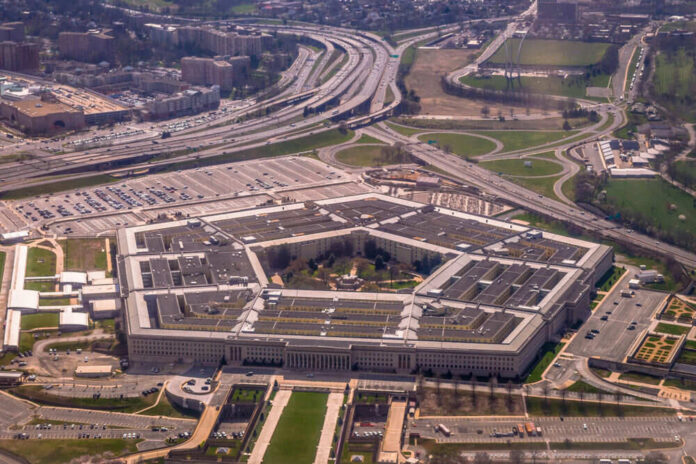
Defense Secretary Pete Hegseth has eliminated a decades-old mandatory flu vaccination requirement for all U.S. military personnel, marking a dramatic shift in Pentagon health policy that prioritizes individual choice over federal mandates.
Story Snapshot
- Hegseth signed a memorandum on April 20, 2026, making flu vaccines voluntary for all active-duty, reserve, National Guard, and DoD civilians
- Policy ends a mandate in place since the early 1950s, reversing nearly 75 years of military health requirements
- Decision follows May 2025 partial rollback and broader Trump administration efforts to eliminate COVID-era vaccine mandates
- Hegseth criticized the universal mandate as “overly broad and not rational,” emphasizing troop autonomy and readiness
Pentagon Reverses Seven Decades of Policy
Defense Secretary Pete Hegseth announced April 21, 2026, that annual influenza vaccinations are now voluntary for all U.S. service members and Department of Defense civilians, effective immediately. The memorandum, signed April 20, dismantles a requirement dating to the early 1950s that survived multiple administrations and military conflicts.
Hegseth declared in a video posted to X that the mandate represented federal overreach, stating service members should decide for themselves whether to receive flu shots without facing career consequences or disciplinary action.
The policy shift represents the Trump administration’s ongoing effort to roll back what conservatives view as intrusive health mandates imposed during the Biden years. Hegseth framed the decision as restoring freedom to the joint force, arguing that mandatory vaccinations weakened warfighting capabilities by forcing personnel to choose between their convictions and their country.
This reasoning echoes widespread frustration among service members who faced similar ultimatums during COVID-19 vaccine mandates, which the Trump administration also reversed after taking office in 2025.
Historical Context and Gradual Rollback
Military vaccination programs trace back to the American Revolution, with flu shot mandates specifically reinstated in the early 1950s after a brief 1949 withdrawal. The requirement remained standard military protocol for readiness until Deputy Defense Secretary Steve Feinberg issued a May 29, 2025, memo scaling back the mandate.
That earlier change exempted reservists and National Guard members unless activated for more than 30 days and eliminated payment for off-duty vaccinations, but left active-duty requirements largely intact. Hegseth’s April 2026 memorandum goes further, eliminating the mandate universally for all personnel categories.
Hegseth announces end to military flu vaccine requirement: 'We will not force you' https://t.co/4GWH0IZgYE pic.twitter.com/MH4uIIvbrf
— New York Post (@nypost) April 22, 2026
The progression from partial exemptions to full elimination reflects the administration’s broader agenda to reduce what it characterizes as absurd rules that burden troops without enhancing military effectiveness.
Hegseth positioned the decision as common sense, stating bluntly that if service members believe the flu vaccine serves their best interest, they can take it voluntarily, but the Pentagon will no longer force compliance.
This approach prioritizes individual assessment of health risks over blanket federal requirements, a stance that resonates with Americans weary of government officials dictating personal medical choices.
Implications for Military Readiness and Federal Policy
The immediate impact grants autonomy to hundreds of thousands of active-duty troops, reservists, National Guard members, and DoD civilians who previously faced potential disciplinary measures for declining flu vaccinations.
Short-term effects include potential cost savings from reduced vaccine administration and enhanced morale among personnel who opposed mandates on principle.
Long-term consequences remain uncertain, particularly regarding flu outbreak risks during deployments or on crowded bases where contagious illness can quickly compromise unit readiness. Critics may argue the policy gambles with force health protection for ideological gains.
Pete Hegseth ends mandatory flu vaccine for service membershttps://t.co/1rsU8eHuCq
— The Hill (@thehill) April 21, 2026
The decision sets a precedent for further mandate reductions within the military and could influence broader federal and civilian public health debates. It signals a clear departure from the one-size-fits-all approach favored by previous administrations, instead favoring situational assessments and personal responsibility.
For Americans frustrated by years of government overreach on health matters, Hegseth’s move represents a tangible victory for liberty and limited government.
For those concerned about collective readiness and herd immunity in military settings, it raises questions about whether individual choice adequately protects national security interests when infectious disease can incapacitate entire units during critical operations.
Sources:
Pete Hegseth scraps mandatory flu shots for U.S. service members – CBS News
Hegseth announces end to military flu vaccine requirement – Fox News