The most unsettling part of the Motor City Pizza Co. 5 Cheese Bread recall is not what was found in the food, but what might be hiding in the supply chain you never see.
Story Snapshot
- A popular frozen cheese bread sold at Costco and other major chains was recalled over a potential salmonella risk linked to milk powder.
- No illnesses have been reported, and routine tests on the suspect seasoning ingredient came back negative for salmonella.
- The recall was launched anyway “out of an abundance of caution,” exposing how fragile and opaque modern food supply chains are.
- Common sense says this is a case study in traceability, corporate accountability, and how far precaution should go.
How A Quiet Ingredient Triggered A Nationwide Recall
A New Boston, Michigan company, Champion Foods, did not pull its Motor City Pizza Co. 5 Cheese Bread because inspectors found salmonella in your frozen bread; it acted because an upstream supplier, California Dairies, recalled milk powder over potential contamination concerns.[3][4]
That milk powder never went straight into your oven. It first moved to a third-party plant that blended it into the seasoning used in the five-cheese sauce, then into finished loaves shipped to Costco, Walmart, Kroger, Publix, Target, and more.[3][4][5]
Frozen food item sold at Costco recalled over salmonella risk https://t.co/mTQMMD6rh2 pic.twitter.com/5K99oraBaT
— New York Post (@nypost) May 31, 2026
The second the milk powder recall hit, Champion Foods faced a hard choice: keep selling a product that still tested clean, or accept the cost and confusion of a voluntary recall.
The company chose recall, formally telling customers the 5 Cheese Bread “has the potential to be contaminated with Salmonella” and limiting the action to specific lot codes and sell-by dates rather than the entire product line.[3][4] That is not theater; that is supply-chain math colliding with liability reality.
What Costco Told Its Members And Why It Matters
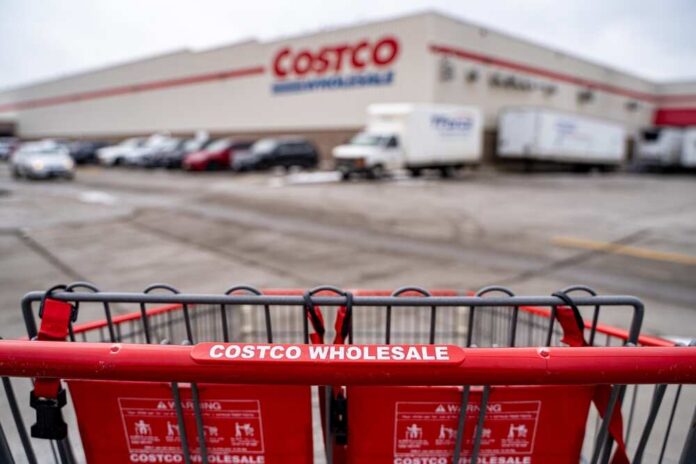
Costco did something most retailers quietly dread: it told members, in writing, that “records indicate” they bought the recalled Motor City Pizza Co. 5 Cheese Bread between early February and late May and should not eat it.[1][4]
The letter spelled out affected sell-by dates, told customers to return the bread for a full refund, and repeated the core warning that the product could be contaminated because of the milk powder recall.[1][4]
The same notice also acknowledged two key facts consumers rarely hear clearly: no illnesses or injuries had been reported, and routine testing by the seasoning blend manufacturer showed the batches used in the bread were negative for salmonella.[1][3][4] That tension—potential risk on paper, negative tests in the lab—is where reasonable skepticism and responsible caution collide.
From a common-sense viewpoint, Costco’s approach respected both property and personal responsibility: here are the facts, here is your money back, now you decide whether to trust the product sitting in your freezer.
Precaution, Regulation, And The Fine Line Between Risk And Panic
Champion Foods emphasized that neither it nor its suppliers had received any illness reports, and that the seasoning batches tested clean before use in production.[3][4] Nonetheless, the company repeatedly framed the move as acting “out of an abundance of caution for the safety of our customers,” language that has now become almost mandatory in the age of aggressive litigation and social-media outrage.[3][4][5]
The recall was also republished by federal regulators as a safety alert describing a “possible health risk” from potential salmonella contamination.[4]
Once federal agencies and big-box names repeat that phrase, many shoppers logically conclude contamination has been proven, not just theorized. That is the downside of a precautionary system: the public hears the loudest alarm, not the nuance that the finished product has not tested positive.
From a limited-government perspective, this recall shows both sides of modern regulation. On one hand, traceability worked; an upstream dairy issue propagated through the system and triggered action before people got sick. On the other, vague messaging blurs the line between verified danger and legal CYA, which erodes trust over time.
What This Means For Your Freezer, And For Food Companies
For consumers, the practical takeaway is simple: if you have Motor City Pizza Co. 5 Cheese Bread with the listed sell-by dates and codes, you can return it for a full refund or toss it so kids and pets do not get curious.[1][4][5] That is the safest move, especially for older adults, children, or anyone with a weaker immune system, since salmonella infections can be serious or even fatal for vulnerable groups.
🦠 Potential Salmonella contamination which can cause serious or fatal infections, fever, diarrhea, and nausea.
Motor City Pizza Co. 5 Cheese Bread Potential Salmonella Contamination
(Champion Foods LLC)— RecallAlert (@RecallAlertApp) June 1, 2026
For companies, this episode is a blunt reminder that your brand is only as safe as the least careful supplier in your chain. A single recalled milk powder lot cascaded into yet another national salmonella-related recall, adding Champion Foods to a growing list of firms yanking products tied to the same ingredient problem.[5]
Accountability and transparency suggest a straightforward standard: disclose the supply path, show the test data when possible, and let informed adults weigh the risk instead of drowning them in fear or spin.
Sources:
[1] Web – Motor City Pizza Co. cheese bread sold at Costco, Walmart, Target …
[3] YouTube – Champion Foods recalls Motor City Pizza Co. cheese bread over …
[4] Web – Voluntary Recall | Champion Foods
[5] Web – Champion Foods Recalls Some Batches of Motor City Pizza Co. 5 …