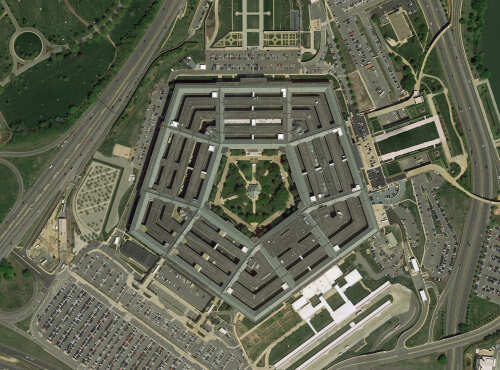
The Pentagon has quietly canceled plans to send thousands of troops to Poland and Germany — and some U.S. allies say they never saw it coming.
Story Snapshot
- Defense Secretary Pete Hegseth signed a memo directing the military to move a brigade combat team out of Europe, canceling a planned deployment of roughly 4,000 troops to Poland.
- Three U.S. officials told the Associated Press the cancellations stem from a presidential order issued in early May directing a reduction of approximately 5,000 troops in Europe.
- During a congressional hearing, Army officials could not confirm whether Poland had been notified before the announcement, and a lawmaker said Polish officials told him directly they were blindsided.
- Critics in Congress called the decision “reprehensible” and “an embarrassment to our country,” while the Pentagon insists the move followed a deliberate, structured review process.
What the Pentagon Did — and How It Explained It
Defense Secretary Pete Hegseth signed a memo directing the Joint Chiefs of Staff to move a brigade combat team out of Europe, triggering the cancellation of a planned deployment of approximately 4,000 troops to Poland.
The Pentagon also halted a separate planned deployment to Germany. Spokesman Joel Valdez described the action as the result of “a comprehensive, multilayered process” and stressed it was “not an unexpected, last-minute decision.”
The administration framed the move as a posture adjustment, not an abrupt abandonment of European commitments.
BREAKING: The U.S. halts Army deployment to Poland as part of a troop reduction in Europe initially focused on Germany, AP sources say. https://t.co/vkta42dkdN
— The Associated Press (@AP) May 15, 2026
Three unnamed U.S. officials told the Associated Press the canceled deployments were part of an effort to comply with a presidential order issued at the beginning of May directing a reduction of roughly 5,000 troops in Europe.
Critically, the Pentagon emphasized it was canceling planned rotational deployments rather than pulling forces already stationed on the continent — a distinction the administration says matters when evaluating the actual change in forward presence. The underlying memo, presidential order, and any supporting strategic review have not been made public.
Congress Pushes Back — Hard
Army Secretary Dan Driscoll and General Christopher LaNeve testified before Congress that discussions about canceling the Poland deployment had been ongoing for about two weeks. Still, the final decision came just days before it became public.
During the hearing, lawmakers were openly hostile. One congressman called the cancellation “reprehensible” and “an embarrassment to our country,” and demanded to know whether Poland had been formally notified. Army officials could not confirm whether Poland had been informed before the announcement went public.
The congressman told Army leaders he had spoken directly with Polish officials who described being blindsided by the decision. Lawmakers also pressed the point that Russia had offered no concessions to justify a reduction in U.S. forward presence in Eastern Europe — particularly with Russia’s invasion of Ukraine still ongoing.
The exchange revealed a gap between the Pentagon’s “structured process” language and the on-the-ground reality that a key NATO ally on the front lines of European security apparently learned about the move from press reports.
What This Means for NATO and Eastern Europe
Poland sits on NATO’s eastern flank and has been one of the alliance’s most vocal advocates for a robust American military presence since Russia’s 2022 invasion of Ukraine.
A canceled armored brigade rotation — even if the forces already stationed remain in place — sends a signal that allies and adversaries alike will interpret.
Poland’s military publicly stated there was “no change in security guarantees.” Still, the diplomatic awkwardness of an ally saying it was caught off guard undermines the confidence-building purpose that rotational deployments are designed to serve.
Pentagon halts deployments to Poland and Germany to cut troop numbers in Europe, AP sources say https://t.co/RG6bNqNJcv
— Guy Faulconbridge (@GuyReuters) May 18, 2026
The broader debate here is one that Americans across the political spectrum have reason to follow closely. Those who believe the United States has spent decades subsidizing European defense at the expense of American taxpayers may see this as a reasonable rebalancing. Those who worry about a more aggressive
Russia and the stability of the international order will see it as a dangerous signal of retreat. What both sides should demand — and what remains missing — is transparency.
The Pentagon’s memo, the presidential order, and the strategic rationale behind targeting Poland and Germany specifically have not been released.
Without that documentation, the public is left weighing a spokesman’s assurances against a congressional hearing in which Army leaders could not answer basic questions about whether an ally was even told.
Sources:
[1] Web – Pentagon halts deployments to Poland, Germany | Connecting Vets
[2] Web – Pentagon Cancels Troop Deployments to Poland and Germany in …
[3] Web – Pentagon halts deployments to Poland and Germany to…